
Problem & Solution
Idler Bearing Failure — Root Causes, Prevention & Replacement Solutions
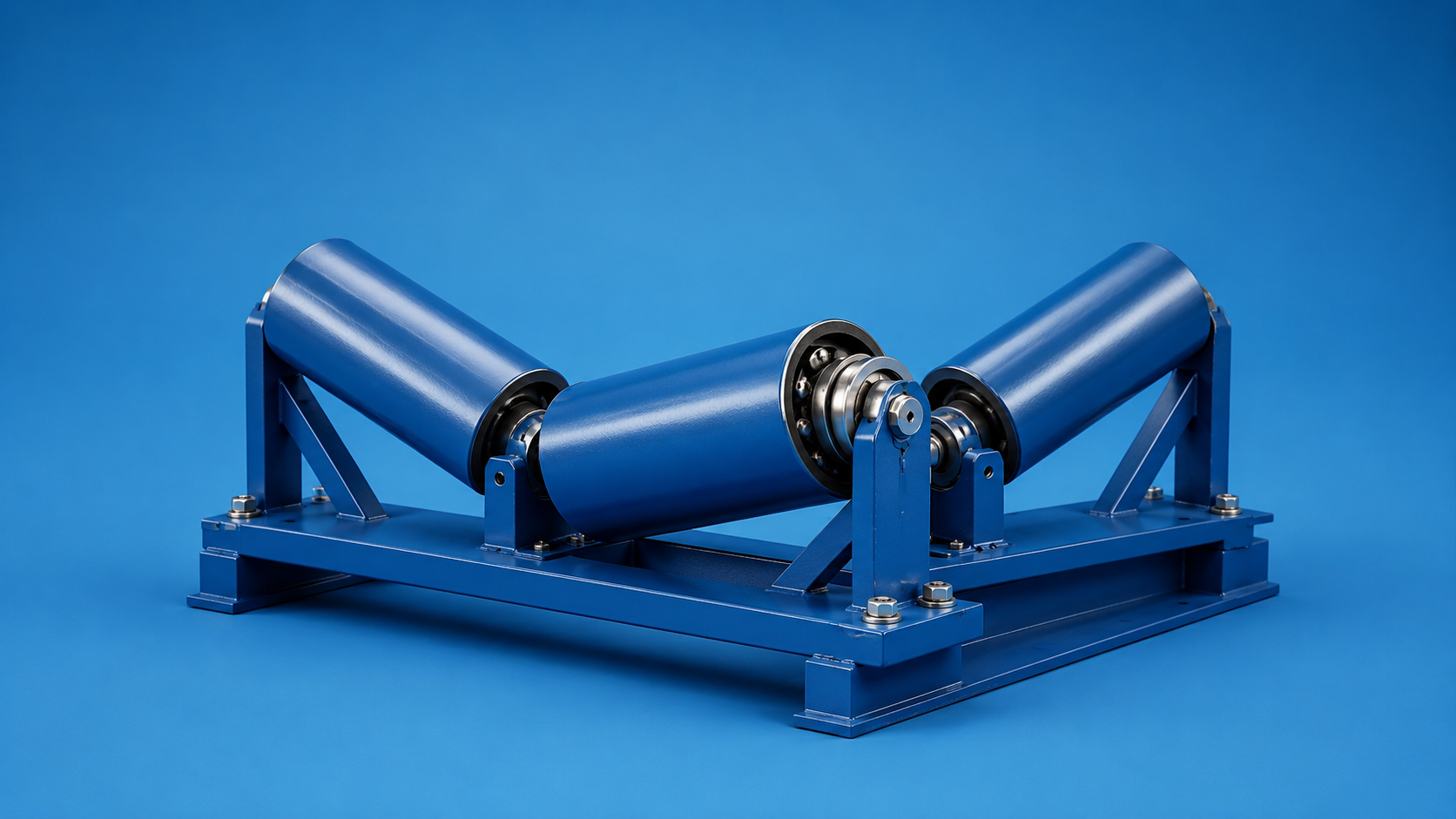
Idler bearing failure is the single most frequent component failure in conveyor systems, accounting for over 40% of all conveyor maintenance activities in cement, steel, and power plants. A single seized idler can escalate to belt damage, fire risk, and unplanned shutdowns costing lakhs per incident. UGES precision-engineered idler rollers with advanced sealing technology deliver 3–5x the service life of commodity idlers.
Trusted by the largest brands







Understanding Idler Bearing Failure

Problem Description

Cost of Inaction

Root Causes
Seal Failure and Contaminant Ingress
Standard single-lip contact seals used in commodity idlers degrade within 3–6 months in cement dust environments, allowing abrasive particles below 10 microns to penetrate the bearing cavity. Once contaminated, bearing grease loses its lubrication film, and abrasive wear accelerates exponentially — bearing life drops from a theoretical 50,000 hours to under 8,000 hours.
Incorrect Bearing Selection for Application
Using undersized bearings or inappropriate internal clearance groups (e.g., C0 instead of C3) for the operating temperature range causes premature fatigue. High-temperature applications near kiln and clinker cooler discharge require C3 or C4 clearance bearings with high-temperature grease rated above 150°C, yet many suppliers provide standard-clearance bearings as default.
Poor Manufacturing Tolerances in Housing and Shaft
Bearing housing bore tolerances exceeding H7 and shaft tolerances outside j6/k6 result in improper interference fits that allow bearing creep on the shaft or looseness in the housing. This causes fretting corrosion, vibration-induced brinelling, and axial displacement that leads to premature failure modes unrelated to the bearing's inherent fatigue life.

Engineering Solutions
Multi-Stage Labyrinth Sealed Idler Rollers
UGES idler rollers feature a proprietary triple-stage sealing system combining an external deflector ring, a non-contact labyrinth seal, and an internal grease-filled chamber that creates a positive pressure barrier against dust ingress. This design eliminates the primary failure mode — contaminant ingress — and delivers bearing protection equivalent to IP65 rating in field conditions.
Application-Specific Bearing Selection
UGES engineers specify bearing type, clearance group, and lubricant grade for each idler application based on operating speed, load, temperature, and environment. High-temperature zones receive C3-clearance bearings with polyurea grease rated to 180°C, while wet-wash areas get stainless steel bearing inserts with fluorinated grease — ensuring optimal bearing life regardless of installation location.
Regular Inspection and Proactive Replacement Programs
UGES supports plants with idler condition assessment services including thermal imaging surveys and vibration spot-checks that identify bearings in early-stage degradation before they seize. Combined with scheduled replacement of rollers approaching end-of-life, this approach reduces emergency idler failures by 70–80% and eliminates bearing-related belt fire risk.
Customer Success Stories
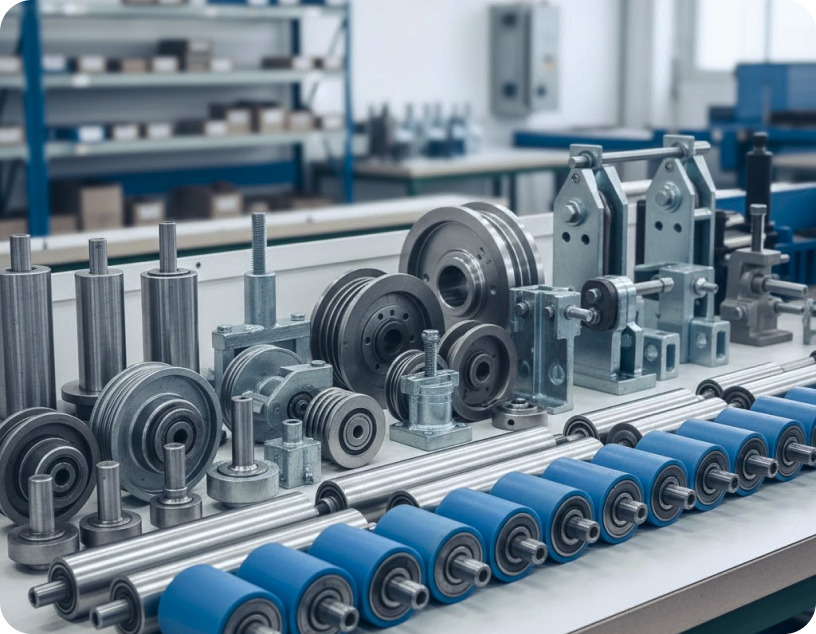
We've been sourcing conveyor components from United Global Engineering Solutions for quite some time now. Their conveyor belt accessories, including industrial conveyor rollers and pulleys, have consistently met our quality and performance standards. We highly recommend them for all your conveyor system needs.
Luke BarrettThe Repeat Client 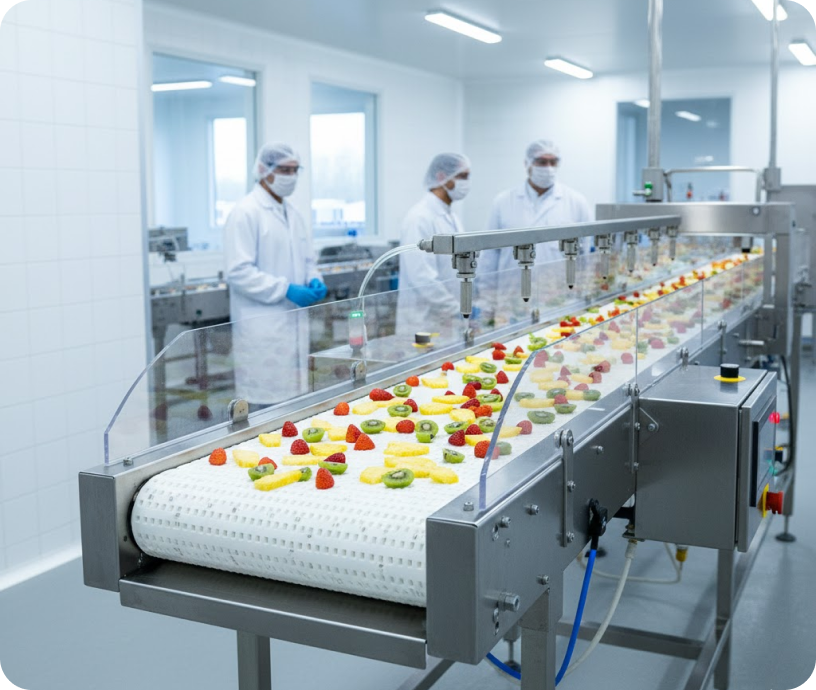
We worked with United Global Engineering Solutions for our conveyor needs, and the experience was excellent from start to finish. Their team understood our requirements quickly, recommended the right conveyor solution for our operations, and delivered quality industrial conveyor belts that made a real difference. Since the installation, our workflow has improved and day-to-day operations feel much more efficient. We’re grateful for their support and would gladly recommend them.
Nathan ColeThe Satisfied Customer 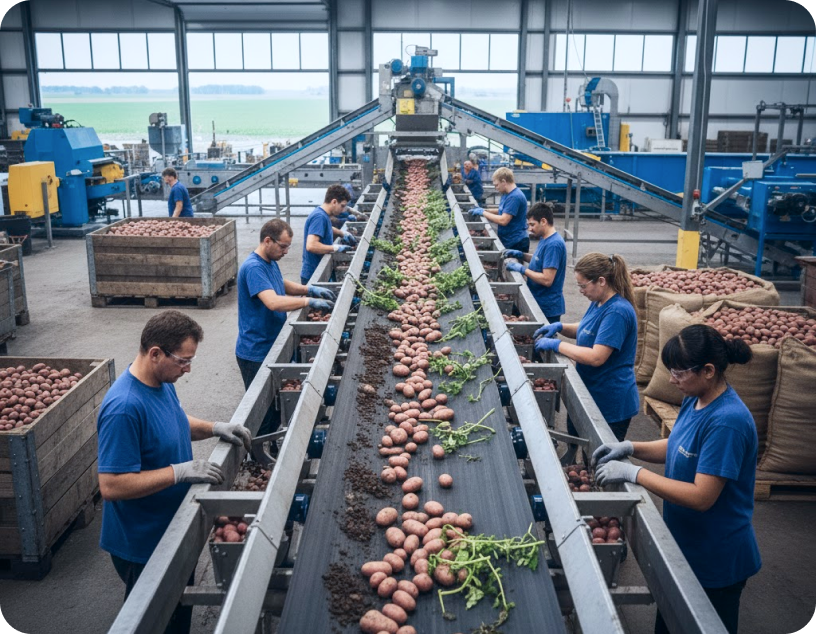
We’ve worked with United Global on multiple projects, and their conveyor belts for food processing have made a real difference. What stands out most is their ability to customize solutions to our needs and deliver quality products on time. Their prompt service and cost-effective approach have made them a partner we can count on.
Mark ReynoldsThe Valued Partner 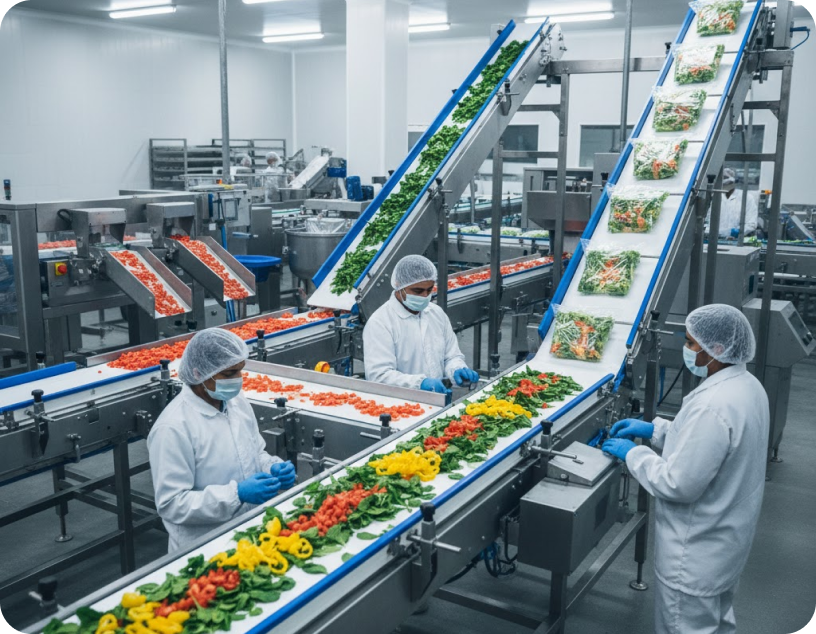
We’ve worked with United Global Engineering Solutions on multiple projects, and they’ve consistently delivered. Their conveyor belts for food processing have made a real difference for us, and we’ve appreciated how they tailor solutions to our specific needs. The team is responsive, the service is prompt, and the solutions are cost-effective without sacrificing quality.
Steve HarringtonThe Satisfied Manufacturer
- Industries Served
- 15+
- Years of Experience
- 10+
- Systems Installed
- 500+
- Happy Clients
- 600+
Solve Idler Bearing Failure with UGES
Our experts visit your site, understand your workflow, and recommend the exact configuration your system needs.