
Problem & Solution
Diverter Valve Leakage & Cross-Contamination - Causes & Solutions
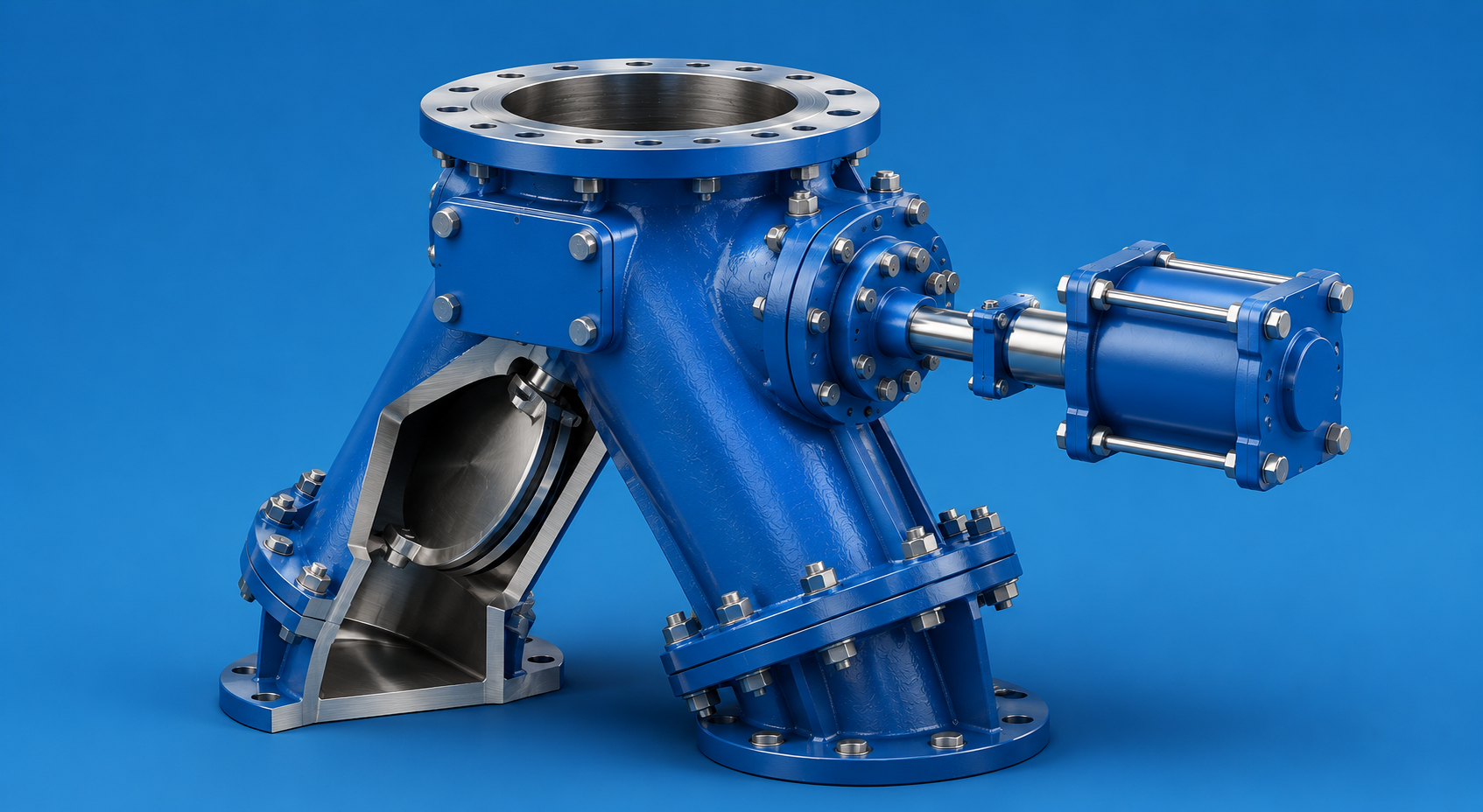
Diverter valve leakage and cross-contamination is a costly, hidden problem in cement, chemical, and food plants, where worn blades, seals, and seats let material carry over to the wrong outlet or escape into the body. A single contaminated silo can cost Rs 5 to 20 lakh in reprocessing or rejected product. UGES sealed-blade, hard-faced, and air-purged diverter valves route material cleanly and hold a tight seal.
Trusted by the largest brands




Understanding Diverter Valve Leakage and Cross-Contamination

Problem Description

Cost of Inaction

Root Causes
Seal and Seat Wear Opening Leak Paths
The seals and seats that let the blade close tightly degrade under abrasive flow, heat, and constant cycling. Once the sealing faces lose their tolerance, material carries over to the wrong outlet or bypasses the seal, and the leak grows steadily as the worn faces erode further.
Material Ingress into the Valve Body
Fine powders work past the blade into the valve body cavity, where they pack around the shaft and mechanism. This builds up until the blade drags or jams, and without an air-purge or sealed-shaft design the ingress is continuous in fine, dry service such as cement, fly ash, and many chemical powders.
Abrasive and Thermal Distortion of the Blade and Housing
Abrasive material erodes the blade edge and body, while high operating temperatures in dryer and kiln circuits warp the blade or housing so they no longer match. The resulting gaps prevent a clean seal regardless of how well the valve is actuated, and standard materials accelerate the problem.

Engineering Solutions
Sealed-Blade Diverters with Replaceable Seats
UGES diverter valves use a positively sealed blade running against replaceable seat liners, so each outlet shuts off cleanly and the sealing faces can be renewed without scrapping the valve. This eliminates carryover between destinations and keeps grade separation intact in multi-product lines.
Air-Purged, Sealed-Shaft Bodies
For fine powders, UGES supplies diverters with air-purge ports and sealed shafts that hold a controlled pressure barrier around the mechanism, preventing material from migrating into the body cavity. This stops the ingress that causes jamming and extends service life in dusty, abrasive duty.
Hard-Faced and High-Temperature Construction
UGES builds diverter bodies and blades with hard-faced wear surfaces such as chrome-carbide or tungsten-carbide and, for hot service, materials and clearances matched to the temperature so the blade and housing keep their shape. This preserves the seal under abrasion and heat that distort standard valves.
What Our Partners Say
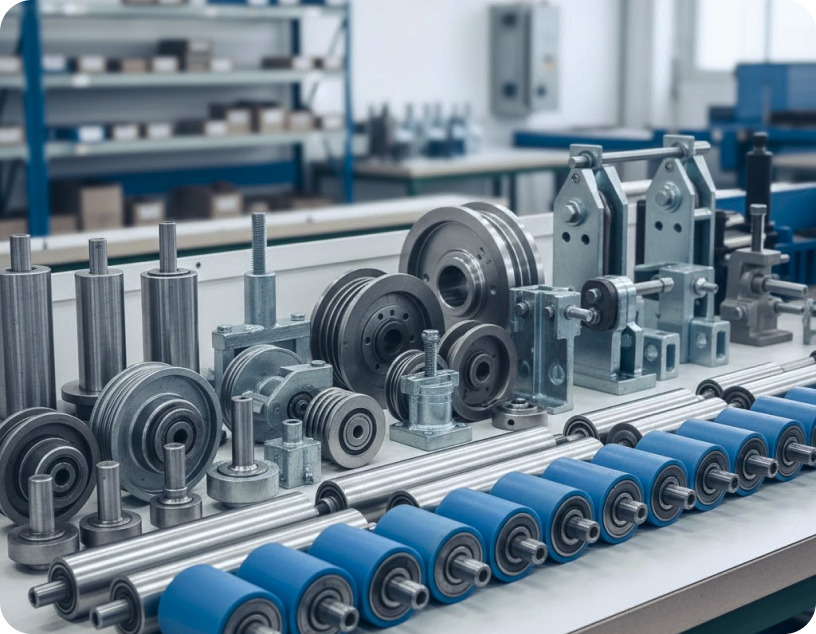
We have been sourcing material handling components from United Global Engineering Solutions for quite some time. Their conveyor accessories, including rollers and industrial pulleys, have consistently met our standards for quality and performance. We confidently recommend them for any conveyor system requirement.
Carlos MedinaRegular Client 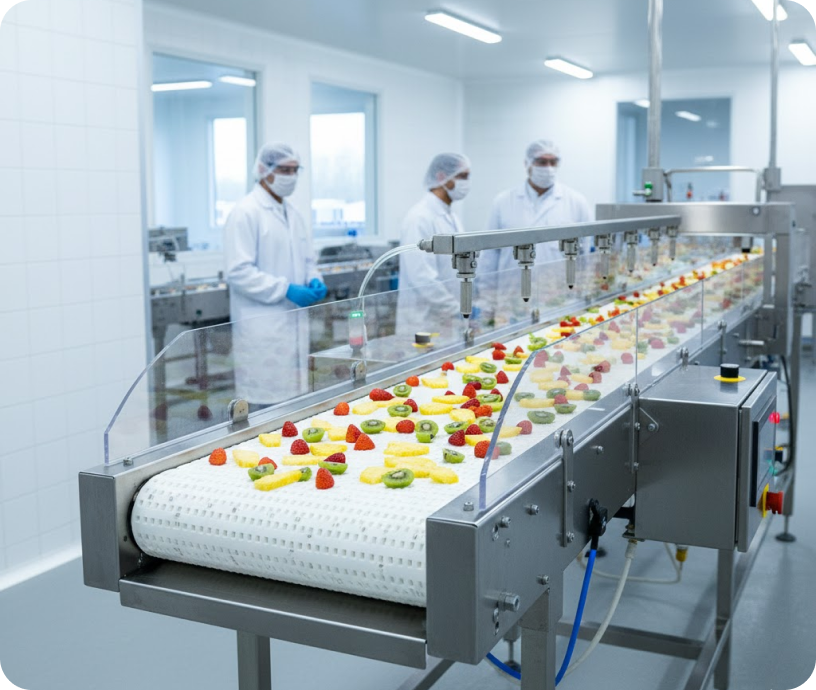
We worked with United Global Engineering Solutions for our industrial conveying needs, and the experience was excellent from start to finish. Their team quickly understood what we needed, recommended the right solution for our operations, and delivered high-quality industrial conveyor systems that made a real difference. Since installation, our workflow has improved and day-to-day operations are much more efficient. We truly value their support and would gladly recommend them.
Javier SánchezSatisfied Client 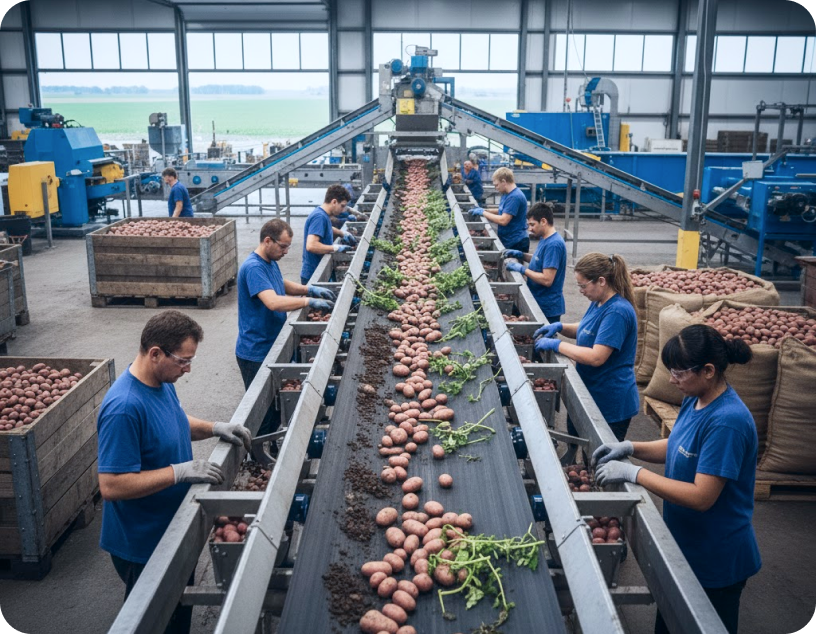
We have worked with United Global on several projects, and their food-grade conveyor systems have delivered a significant improvement. What stands out most is their ability to customize solutions around our needs and deliver quality products on time. Their responsive support and cost-effective approach have made them a trusted partner.
Miguel TorresTrusted Partner 
We have collaborated with United Global Engineering Solutions on multiple projects, and they have consistently delivered strong results. Their food-grade conveyor systems have brought a noticeable improvement to our operations, and we especially appreciate how they tailor each solution to our specific requirements. The team responds quickly, the service is efficient, and the solutions are cost-effective without compromising on quality.
Laura GómezHappy Manufacturer
- Industries Served
- 15+
- Years of Experience
- 10+
- Systems Installed
- 500+
- Happy Clients
- 600+
Solve Diverter Valve Leakage and Cross-Contamination with UGES
Our experts visit your site, understand your workflow, and recommend the exact configuration your system needs.