
Problem & Solution
Material Spillage at Transfer Points — Causes, Solutions & Prevention
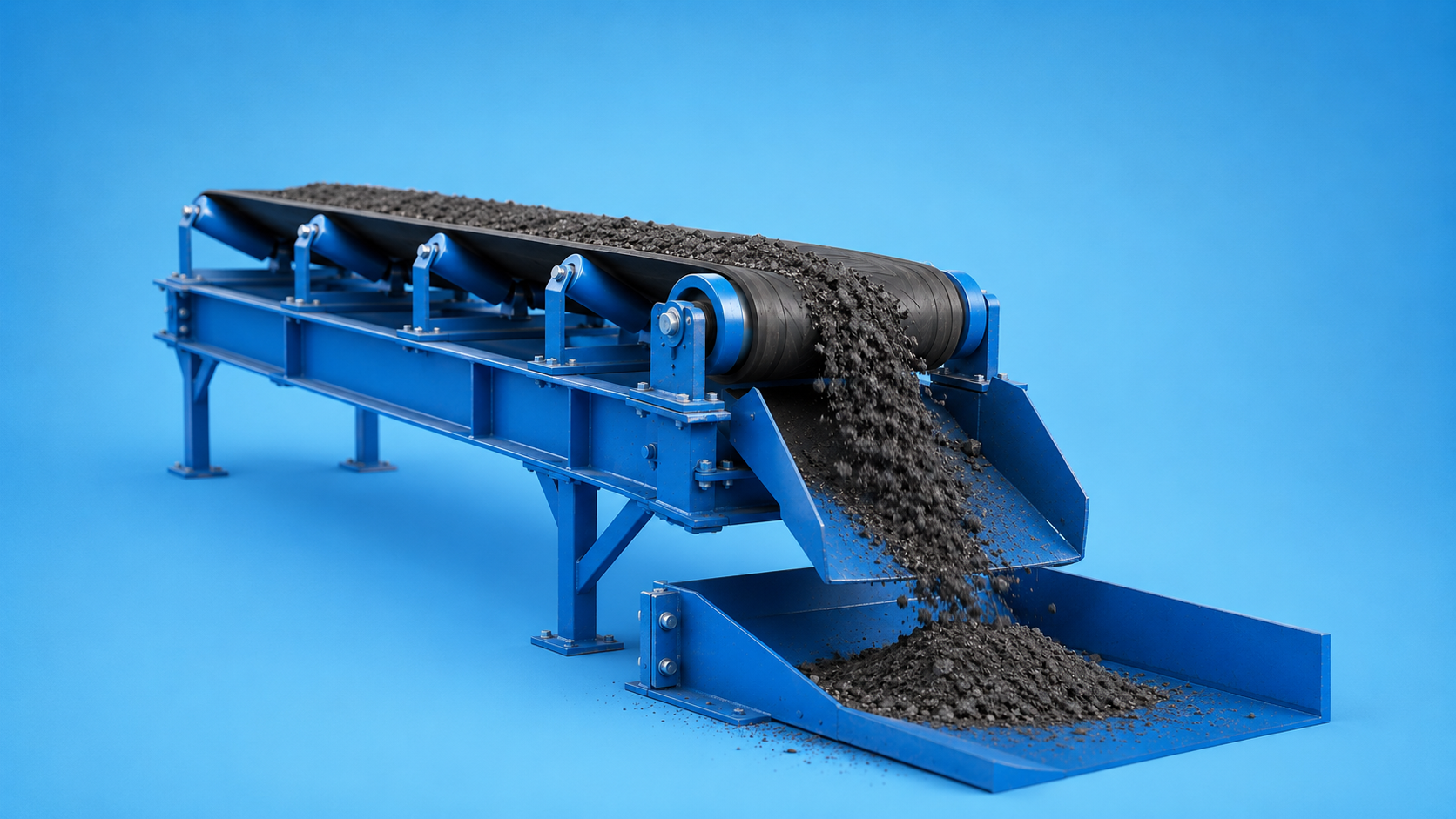
Material spillage at conveyor transfer points is a persistent operational challenge in cement, steel, and thermal power plants, leading to product loss, housekeeping burdens, and environmental compliance violations. Spillage rates of 1–3% at each transfer point compound across multi-stage conveyor systems, directly eroding plant profitability. UGES engineered transfer solutions contain material flow precisely, eliminating spillage at its source.
Trusted by the largest brands






Understanding Material Spillage at Transfer Points

Problem Description

Cost of Inaction

Root Causes
Excessive Impact Energy at Loading Zone
When material free-falls more than 1.5–2 metres onto the receiving belt, the kinetic energy exceeds the belt's absorption capacity, causing material bounce and scatter beyond the skirting containment zone. This is compounded by large lump sizes common in limestone and clinker handling circuits.
Poor Chute Design and Material Trajectory
Legacy transfer chutes with straight-drop or flat-plate geometries fail to control material trajectory, allowing the stream to spread laterally on impact. Without engineered flow control, the material stream arrives at the receiving belt with an unpredictable spread pattern that defeats conventional skirting systems.
Worn or Inadequate Skirting Systems
Rubber skirting boards lose their seal against the belt surface within 3–6 months in abrasive service, creating gaps through which fine material escapes laterally. Many Indian plants still use flat-bar skirting designs that cannot accommodate belt sag between idler stations, leaving 10–15mm gaps.

Engineering Solutions
Impact Idlers and Impact Beds
UGES impact idlers featuring heavy-duty rubber disc construction absorb the kinetic energy of falling material at transfer points, reducing belt deflection and material bounce. Impact beds with UHMWPE slider bars provide continuous support across the loading zone, eliminating belt sag that creates skirting seal gaps.
Engineered Transfer Chutes
UGES engineered transfer chutes use DEM-validated curved profiles to control material trajectory, reducing impact velocity and centering the material stream on the receiving belt. Hood-and-spoon and stoneboxed chute designs reduce material degradation while containing dust within the transfer enclosure.
Dual-Seal Skirting Systems
UGES dual-seal skirting systems combine a primary wear-resistant rubber seal with a secondary dust curtain, providing redundant containment at the loading zone. Adjustable clamp mechanisms allow field re-tensioning as the skirting wears, extending service intervals from 3 months to over 12 months.
What Our Partners Say
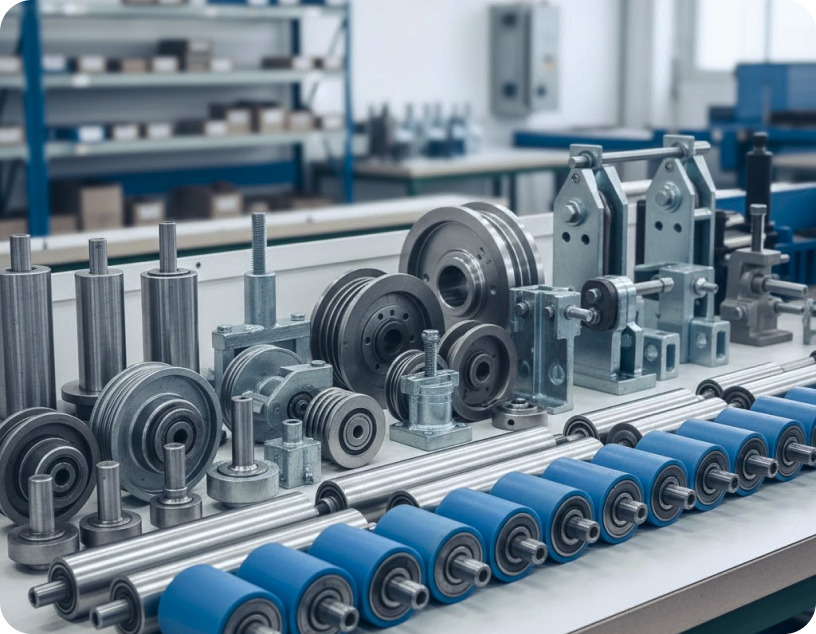
We have been sourcing material handling components from United Global Engineering Solutions for quite some time. Their conveyor accessories, including rollers and industrial pulleys, have consistently met our standards for quality and performance. We confidently recommend them for any conveyor system requirement.
Carlos MedinaRegular Client 
We worked with United Global Engineering Solutions for our industrial conveying needs, and the experience was excellent from start to finish. Their team quickly understood what we needed, recommended the right solution for our operations, and delivered high-quality industrial conveyor systems that made a real difference. Since installation, our workflow has improved and day-to-day operations are much more efficient. We truly value their support and would gladly recommend them.
Javier SánchezSatisfied Client 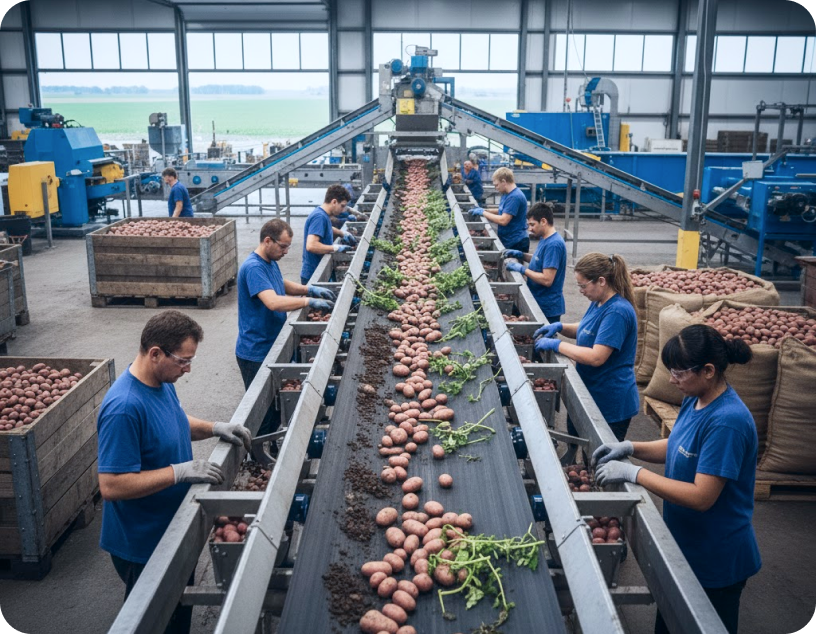
We have worked with United Global on several projects, and their food-grade conveyor systems have delivered a significant improvement. What stands out most is their ability to customize solutions around our needs and deliver quality products on time. Their responsive support and cost-effective approach have made them a trusted partner.
Miguel TorresTrusted Partner 
We have collaborated with United Global Engineering Solutions on multiple projects, and they have consistently delivered strong results. Their food-grade conveyor systems have brought a noticeable improvement to our operations, and we especially appreciate how they tailor each solution to our specific requirements. The team responds quickly, the service is efficient, and the solutions are cost-effective without compromising on quality.
Laura GómezHappy Manufacturer
- Industries Served
- 15+
- Years of Experience
- 10+
- Systems Installed
- 500+
- Happy Clients
- 600+
Solve Material Spillage at Transfer Points with UGES
Our experts visit your site, understand your workflow, and recommend the exact configuration your system needs.