
Problem & Solution
Dust Emission Control in Cement Plants — Causes, Solutions & Compliance
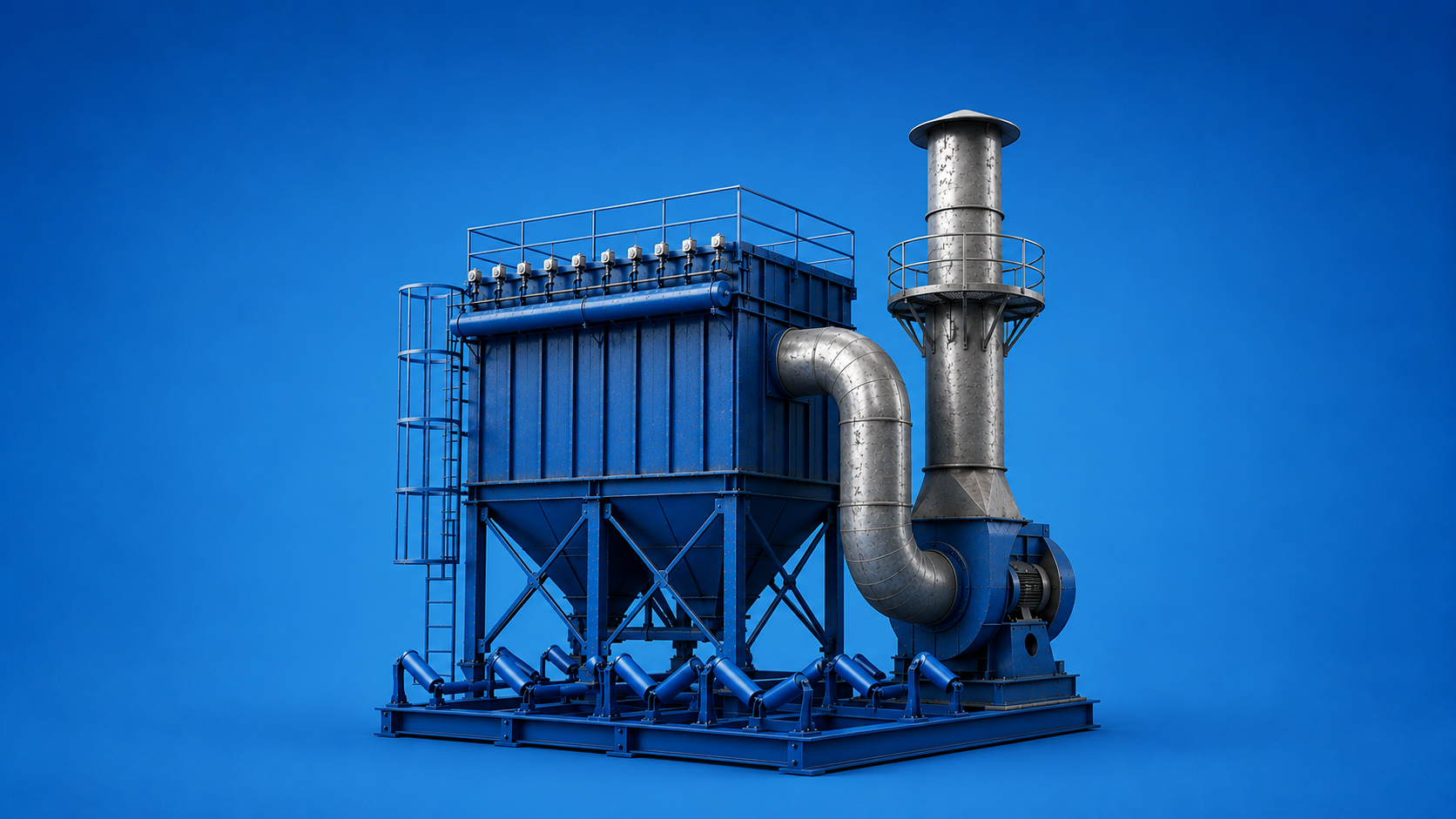
Fugitive dust emissions from material handling, transfer, and storage systems remain one of the most critical environmental and operational challenges facing Indian cement plants. With CPCB emission norms tightening to 30 mg/Nm3 for process operations, plants require engineered containment and extraction solutions at every dust generation point. UGES provides integrated dust control equipment designed specifically for the demanding conditions of cement manufacturing.
Trusted by the largest brands




Understanding Dust Emission Control in Cement Plants

Problem Description

Cost of Inaction

Root Causes
Unsealed Transfer and Loading Points
Open or poorly sealed transfer chutes, silo filling points, and truck loading stations allow dust-laden air to escape into the ambient environment. Air displacement during material loading creates positive pressure inside enclosures that pushes dust through every unsealed gap and opening.
Inadequate Dust Extraction Capacity
Many plants operate bag filter systems that were sized for original design capacity and have not been upgraded as production has increased. Under-sized extraction ducting and insufficient air volume result in negative pressure losses at the furthest pickup points, allowing dust to escape from enclosures that appear properly sealed.
Material Free-Fall at Silo and Bin Discharge
Uncontrolled material discharge from silos, bins, and hoppers creates a piston effect — the falling material column displaces air upward through the material bed, entraining fine particles that are ejected as a dust plume at the discharge point. This effect is most severe with dry cement and fly ash having Blaine fineness above 3,000 cm2/g.

Engineering Solutions
Rotary Air Lock Valves (RALV)
UGES Rotary Air Lock Valves provide an airtight seal between pressurised and atmospheric zones in material handling circuits, preventing air leakage that carries dust into the environment. Precision-machined rotor tips maintain clearances below 0.2mm, ensuring volumetric sealing efficiency above 95% even after extended service in abrasive cement dust environments.
Slide Gates and Diverter Valves
UGES slide gates with inflatable or metal-to-metal sealing provide positive shut-off at silo discharge points, bin outlets, and duct isolation stations, preventing uncontrolled material flow that generates dust. Motorised actuators enable remote operation, reducing operator exposure to dusty environments and enabling precise flow control.
Integrated Dust Collection System Design
UGES provides complete dust collection system layouts including pickup hoods, ducting, dampers, and isolation valves engineered to maintain the required 1.0–1.5 m/s capture velocity at every dust generation point. Balancing dampers at each branch ensure proportional air distribution even as system conditions change with filter bag ageing.
Customer Success Stories
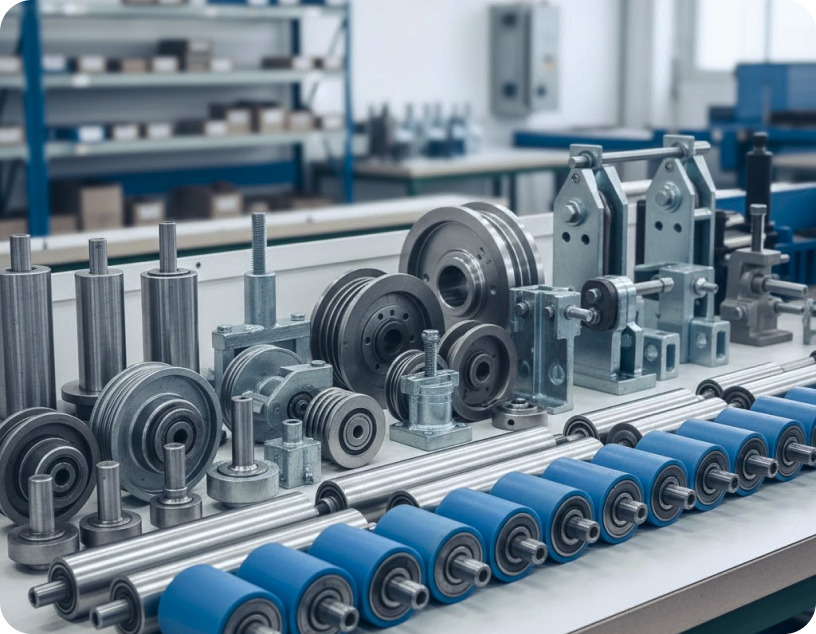
We've been sourcing conveyor components from United Global Engineering Solutions for quite some time now. Their conveyor belt accessories, including industrial conveyor rollers and pulleys, have consistently met our quality and performance standards. We highly recommend them for all your conveyor system needs.
Thabo MokoenaThe Repeat Client 
We worked with United Global Engineering Solutions for our conveyor needs, and the experience was excellent from start to finish. Their team understood our requirements quickly, recommended the right conveyor solution for our operations, and delivered quality industrial conveyor belts that made a real difference. Since the installation, our workflow has improved and day-to-day operations feel much more efficient. We’re grateful for their support and would gladly recommend them.
Johan BothaThe Satisfied Customer 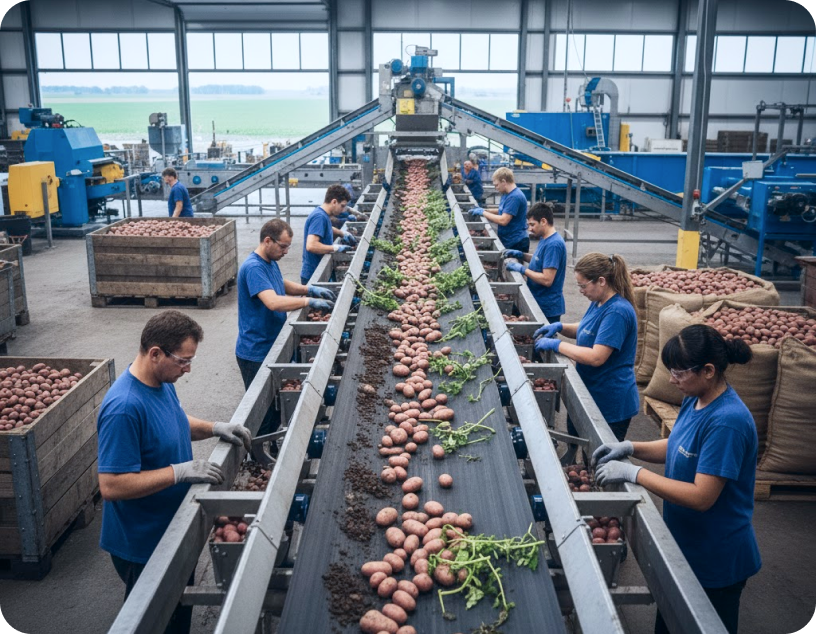
We’ve worked with United Global on multiple projects, and their conveyor belts for food processing have made a real difference. What stands out most is their ability to customize solutions to our needs and deliver quality products on time. Their prompt service and cost-effective approach have made them a partner we can count on.
Sipho DlaminiThe Valued Partner 
We’ve worked with United Global Engineering Solutions on multiple projects, and they’ve consistently delivered. Their conveyor belts for food processing have made a real difference for us, and we’ve appreciated how they tailor solutions to our specific needs. The team is responsive, the service is prompt, and the solutions are cost-effective without sacrificing quality.
Ruan SmitThe Satisfied Manufacturer
- Industries Served
- 15+
- Years of Experience
- 10+
- Systems Installed
- 500+
- Happy Clients
- 600+
Solve Dust Emission Control in Cement Plants with UGES
Our experts visit your site, understand your workflow, and recommend the exact configuration your system needs.