
Nuestros blogs
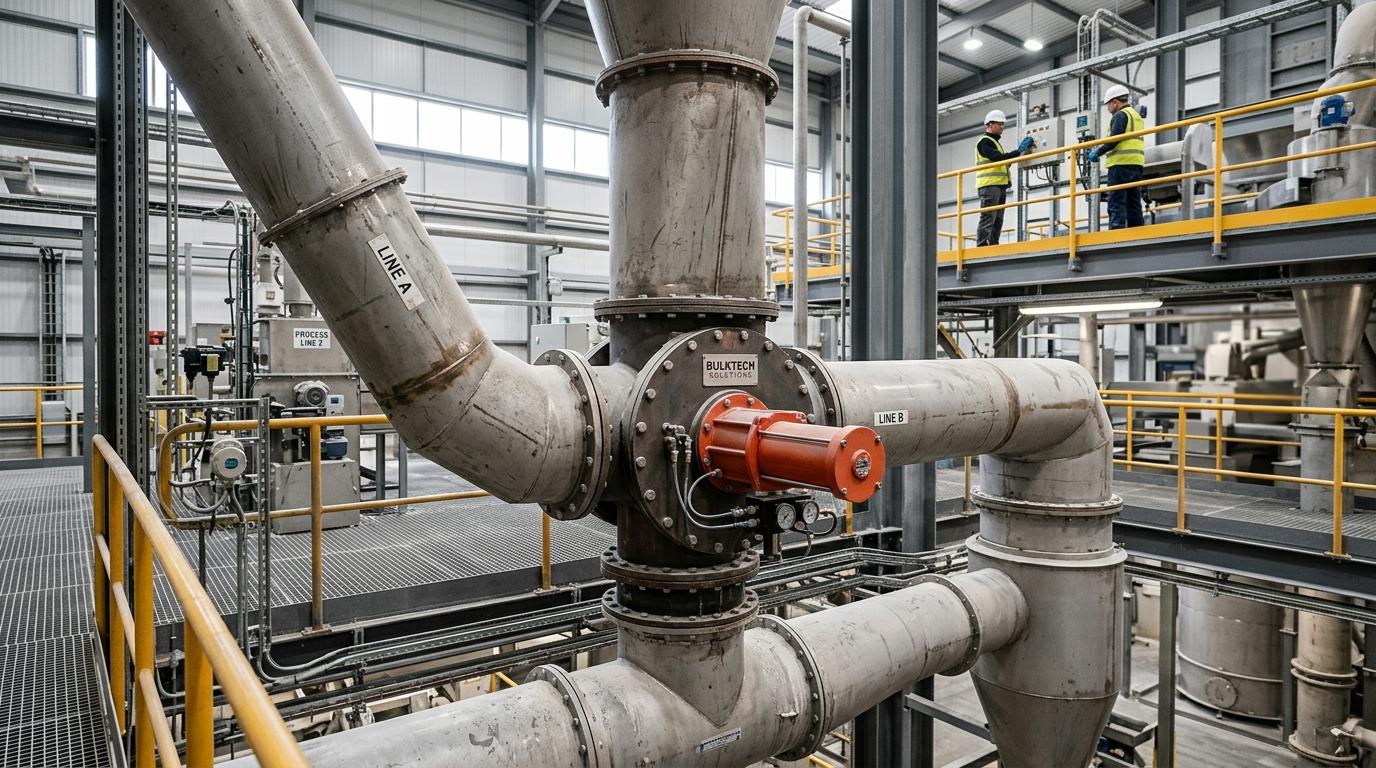
2-Way vs 3-Way Diverter Valve: Key Differences and How to Choose the Right One
Not sure whether a 2-way or 3-way diverter valve is right for your system? This guide explains the key differences, ideal use cases, and selection factors so you can choose the right routing design for bulk material handling without adding unnecessary complexity.
12 min read
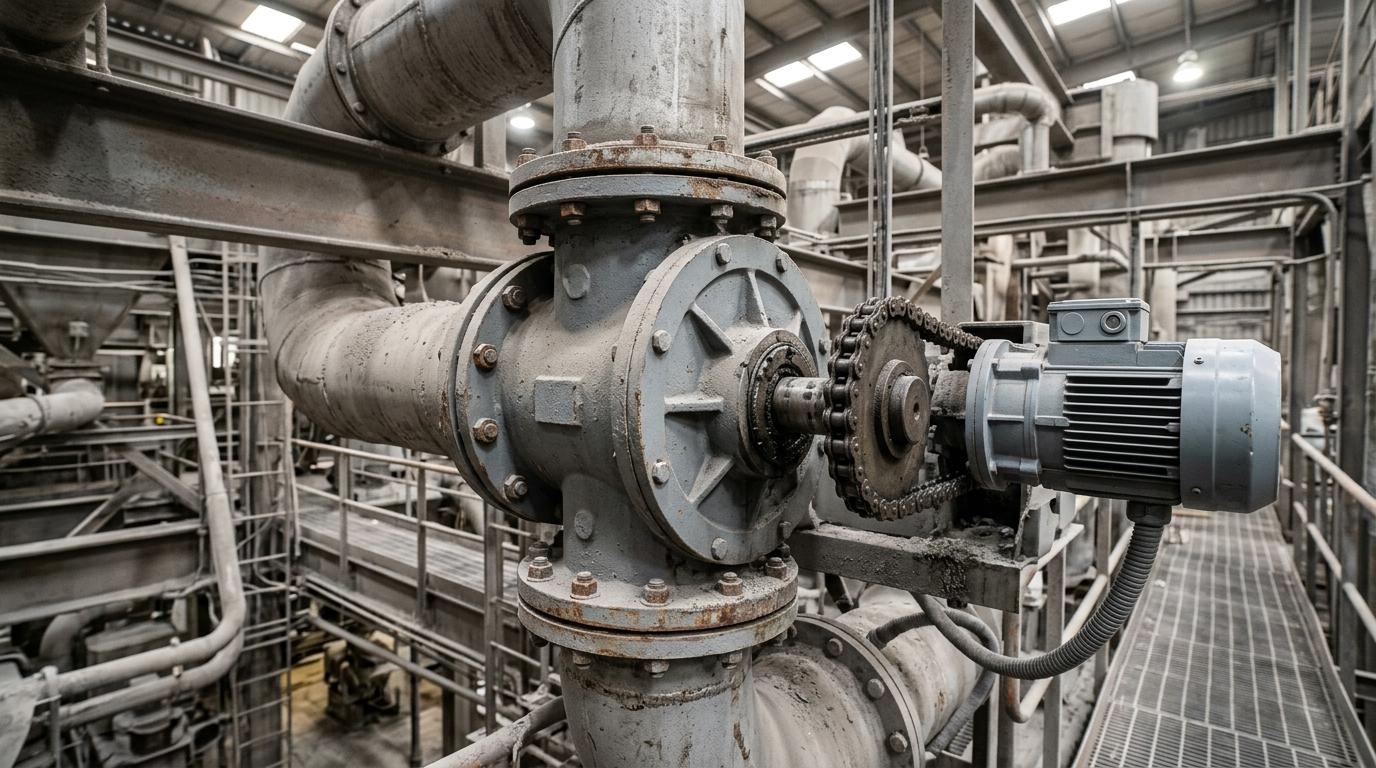
Offset Rotary Valve: Working Principle, Use Cases, and When to Choose It
An offset rotary valve is used when a standard rotary airlock can damage friable material, create excess fines, or increase dust at sensitive transfer points. This guide explains how it works, where offset rotary airlock applications make sense, and when the added cost is justified.
9 min read
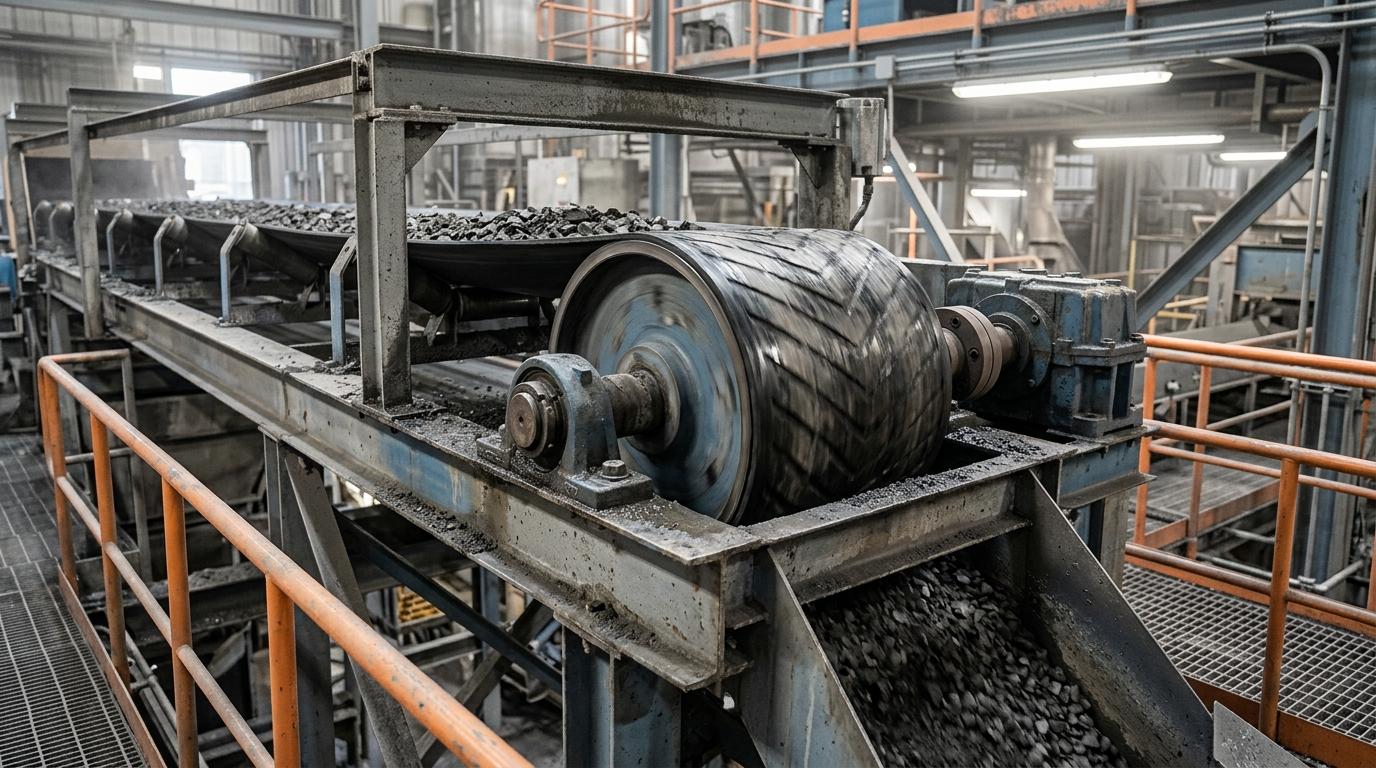
How to Fix Drive Pulley Slippage: Practical Troubleshooting for Conveyor Engineers
Learn how to fix drive pulley slippage by checking belt tension, lagging condition, wrap angle, contamination, and conveyor load. This practical guide helps conveyor engineers diagnose the real cause and apply the right fix before slip leads to heat, wear, and downtime.
11 min read
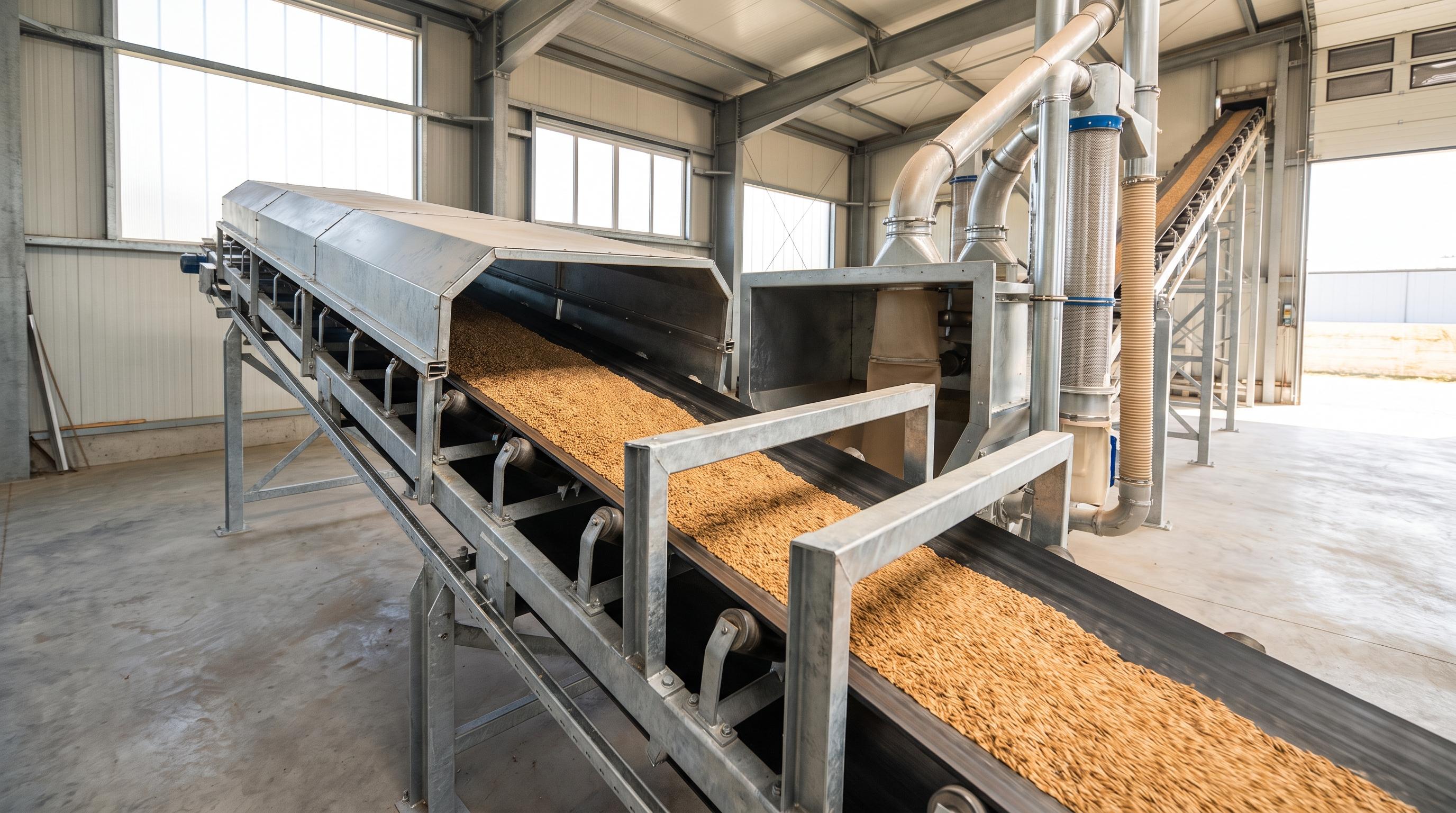
Grain Handling Conveyor Design: How to Reduce Product Damage
Grain handling conveyors must be engineered for gentle transfer, controlled belt speed, and stable flow if you want to limit kernel breakage, dust, and product loss. This guide explains the design decisions that matter most, from loading geometry and chute angles to discharge control and maintenance access.
9 min read
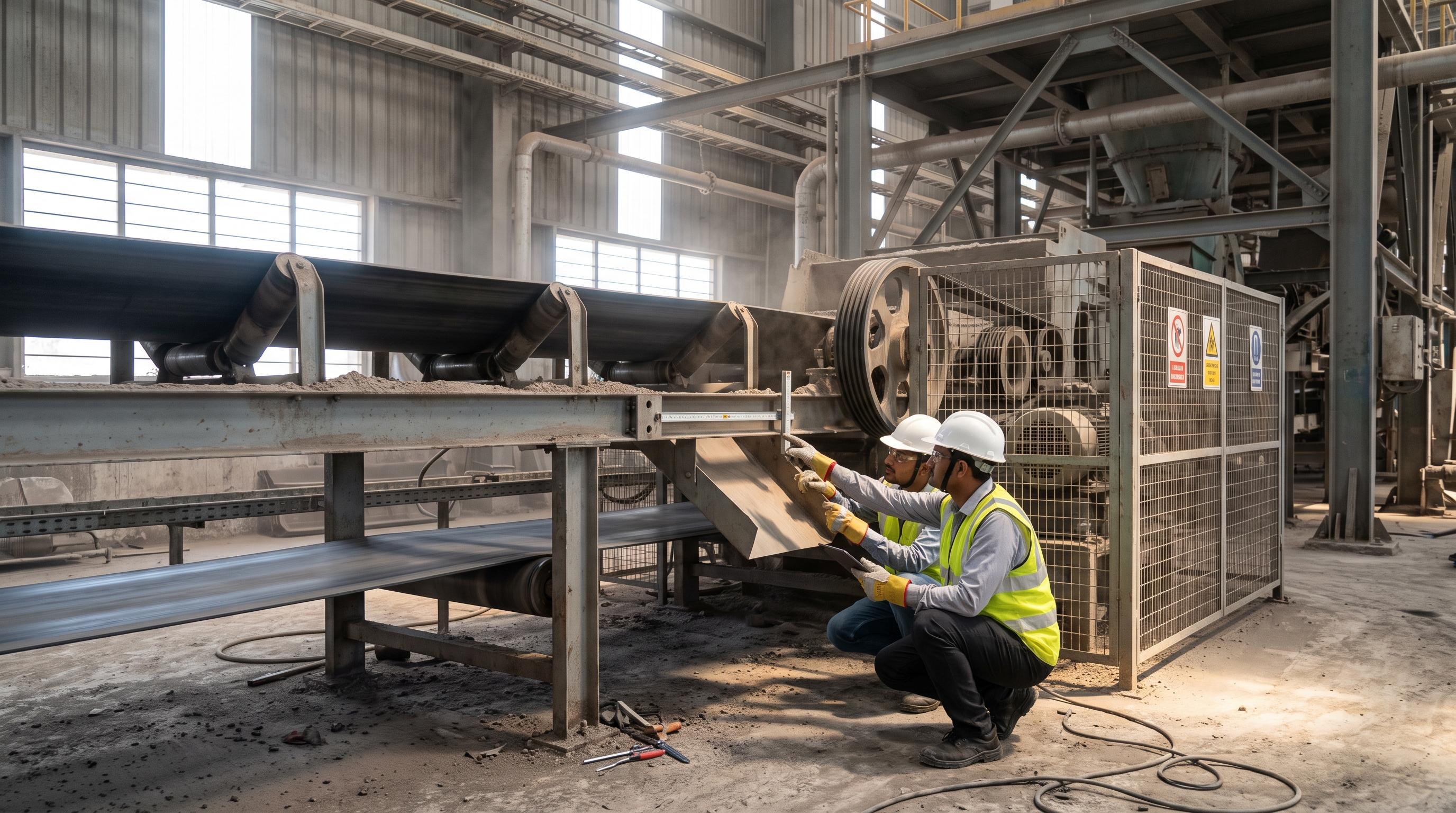
Conveyor Commissioning Checklist: What to Verify Before Full-Load Operation
A conveyor that starts is not necessarily ready for production. This step-by-step commissioning checklist covers pre-start inspection, empty-run verification, and 25%, 50%, and 100% load testing before handover.
16 min read
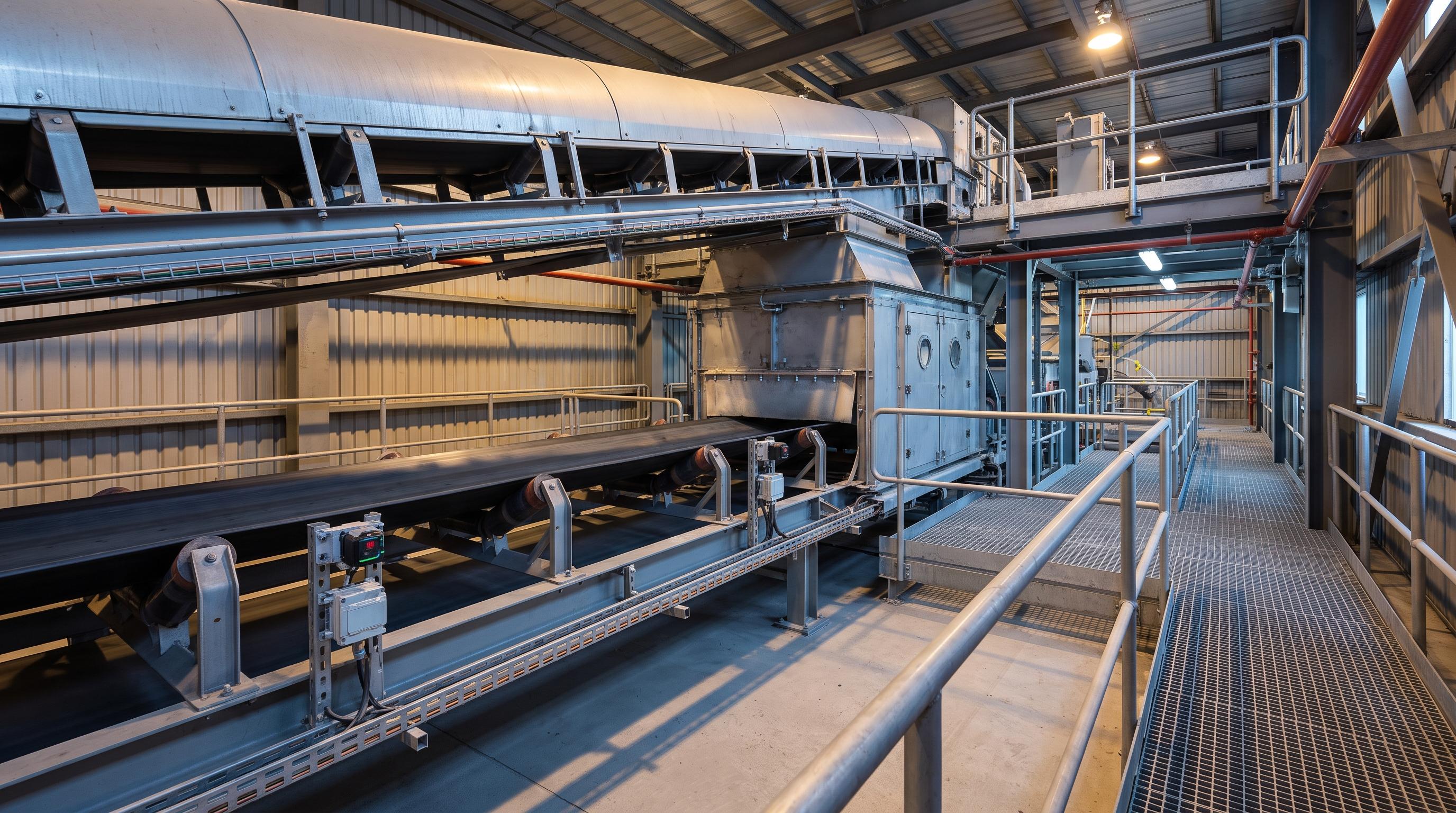
Conveyor Fire Risk Reduction: Simple Engineering Controls
Conveyor fires usually start with friction, heat build-up, dust accumulation, or poor housekeeping—not bad luck. This guide explains practical engineering controls that reduce conveyor fire risk, improve uptime, and make bulk material handling systems safer to operate.
8 min read
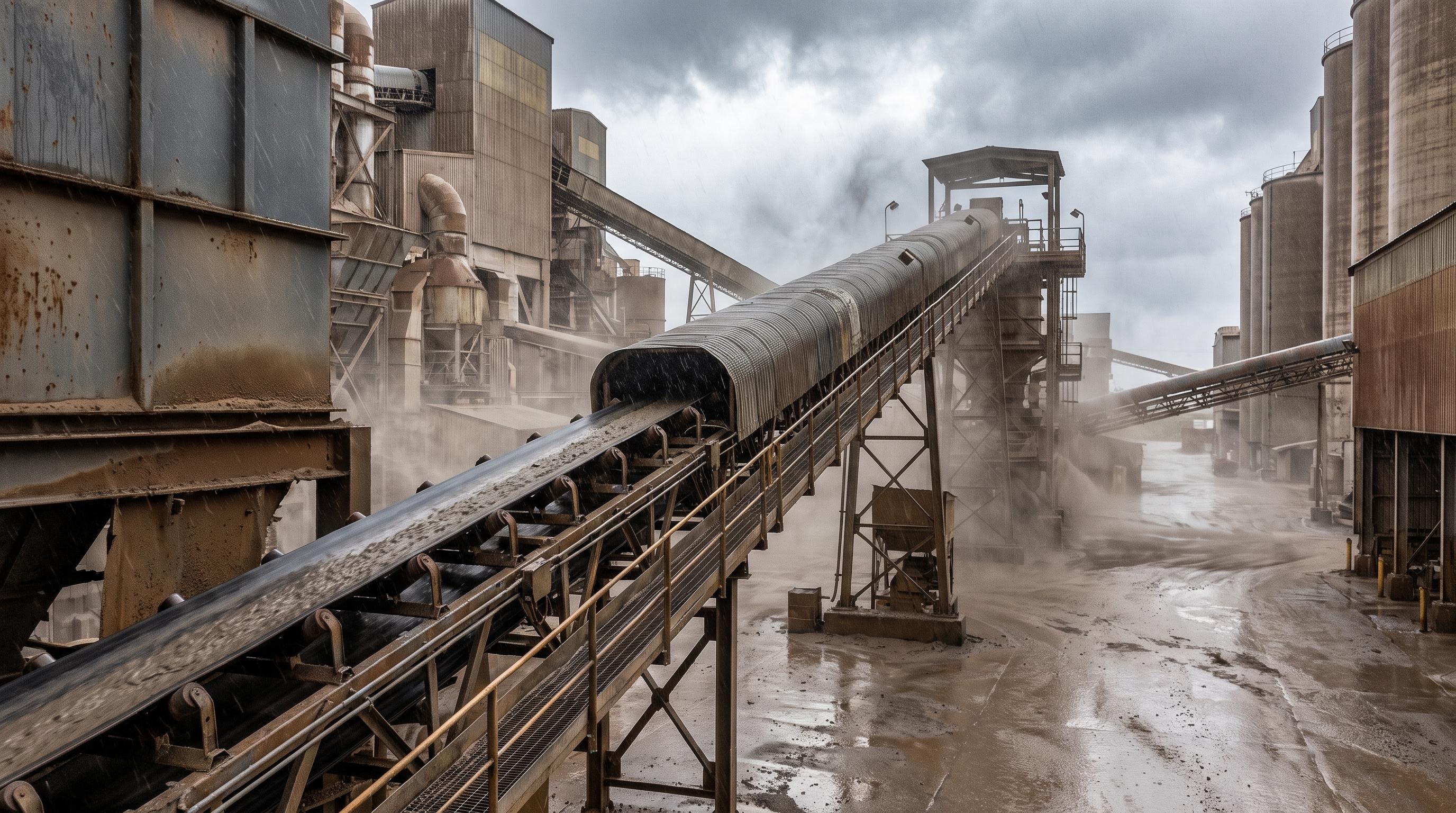
Conveyor Design for Extreme Weather: Outdoor Engineering Guide
Outdoor conveyor design must account for wind, rain, heat, dust, and corrosion from the start. This guide explains the engineering decisions that keep outdoor bulk material handling systems reliable and maintainable.
9 min read
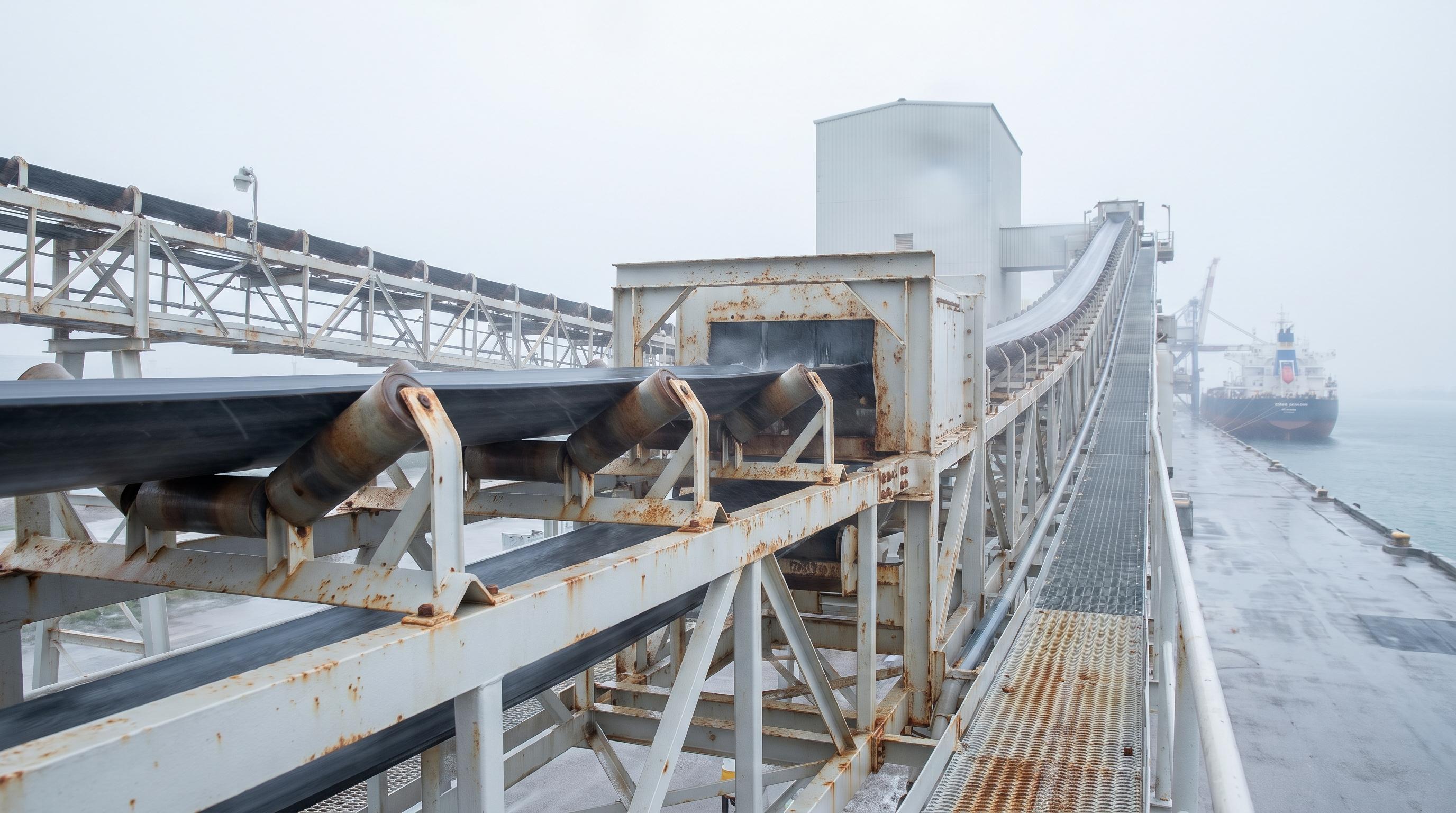
Conveyor Corrosion in Coastal Environments: Causes, Risks, and Fixes
Coastal conveyors fail faster when salt, humidity, and washdown attack pulleys, idlers, structures, and transfer points. This guide explains where corrosion starts, how it hurts performance, and what engineering teams should inspect, upgrade, and redesign to protect uptime.
7 min read
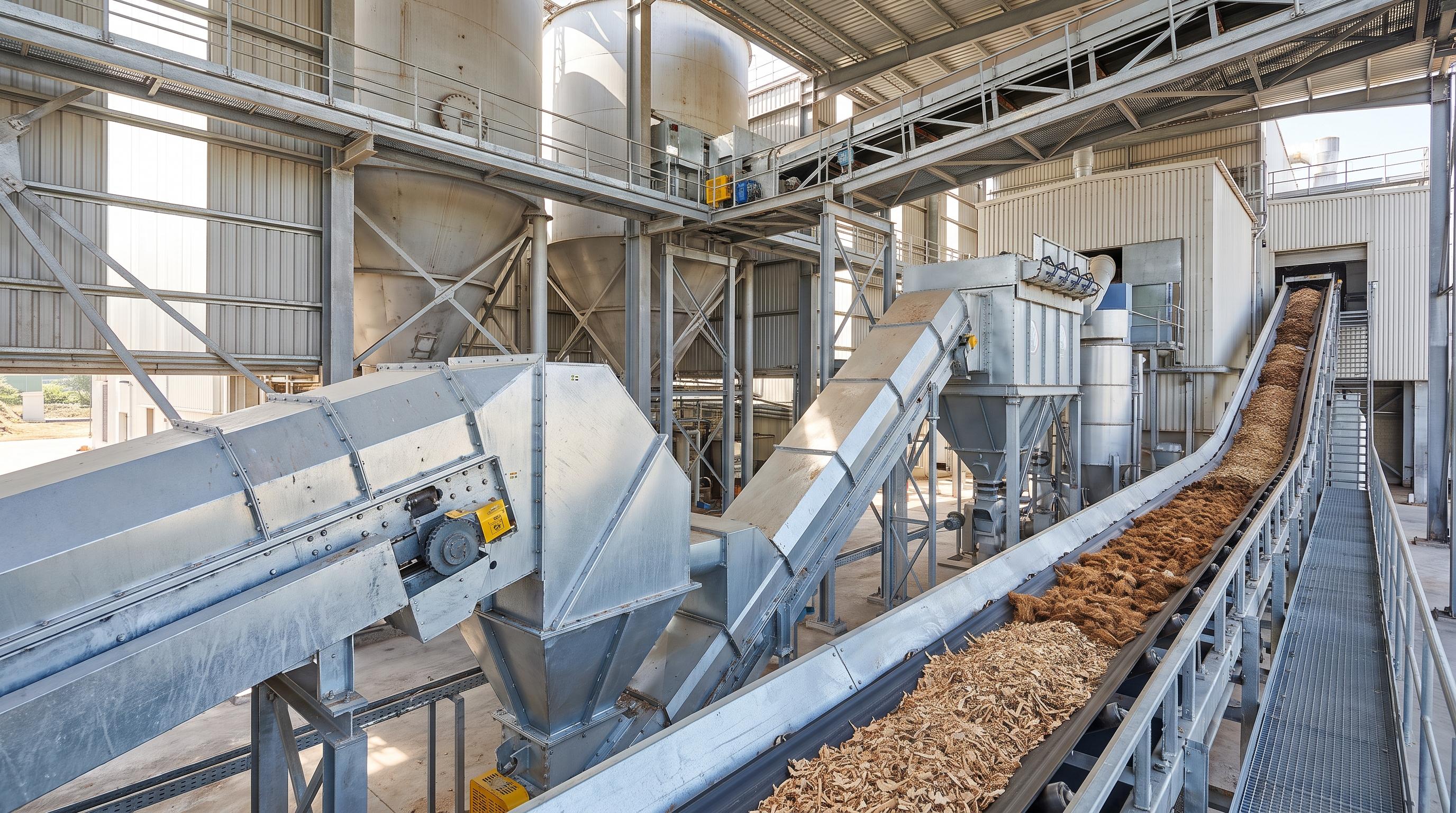
Biomass Handling Conveyors: 5 Common Design Problems
Biomass conveyors fail early when plants treat them like standard bulk-material systems. This guide covers the design issues that most often cause plugging, spillage, dust, belt mistracking, and maintenance headaches in biomass handling lines.
6 min read
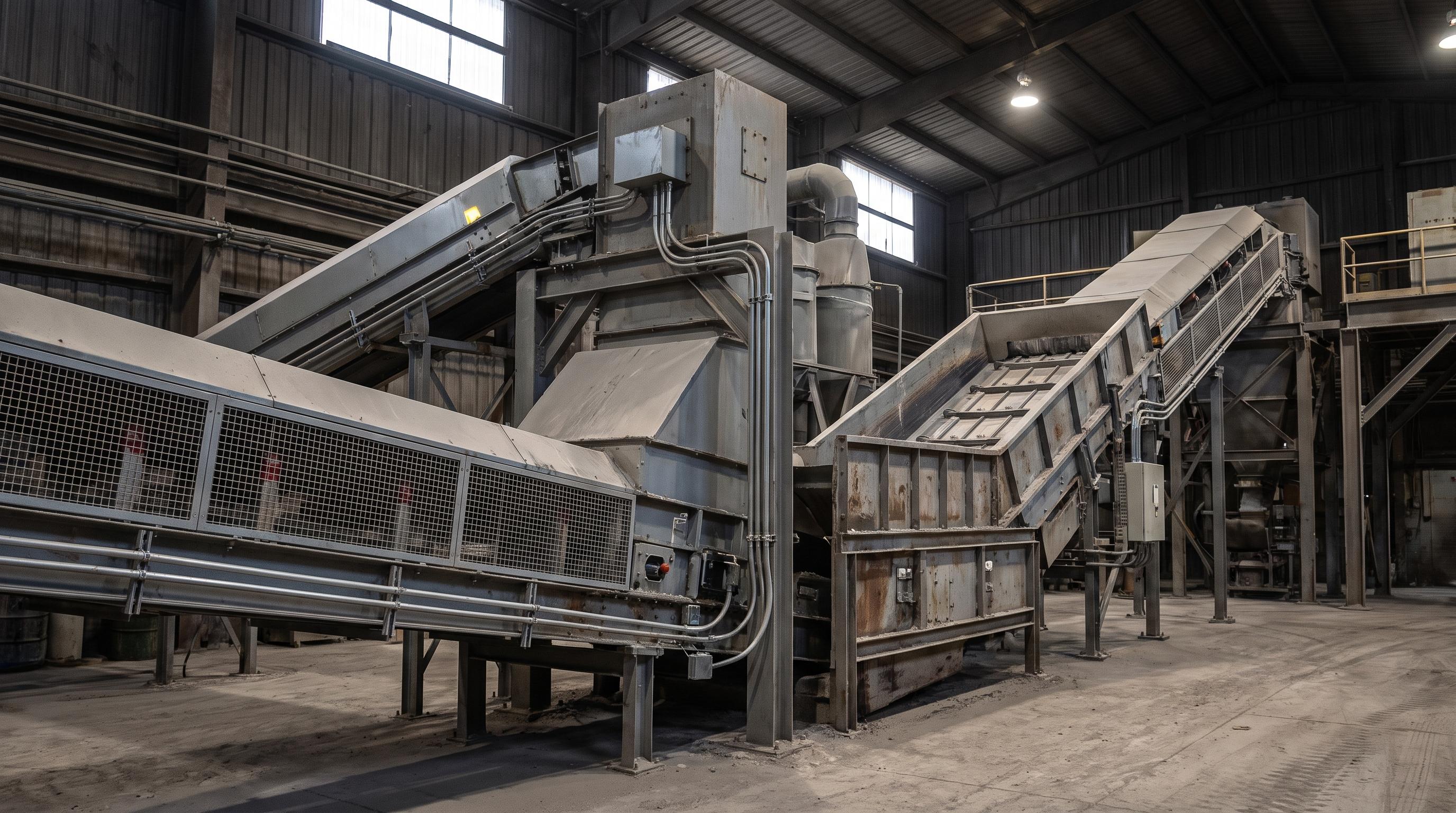
When a Conveyor Needs a Retrofit, Not Another Repair
Continually repairing failing conveyors only masks deeper problems like chronic spillage, structural fatigue, belt wear, and capacity bottlenecks. A targeted retrofit upgrades loading zones, drives, idlers, pulleys, and transfer chutes to match current demands. This restores long-term reliability, improves safety compliance, and proves more cost-effective than repeated emergency fixes.
5 min read
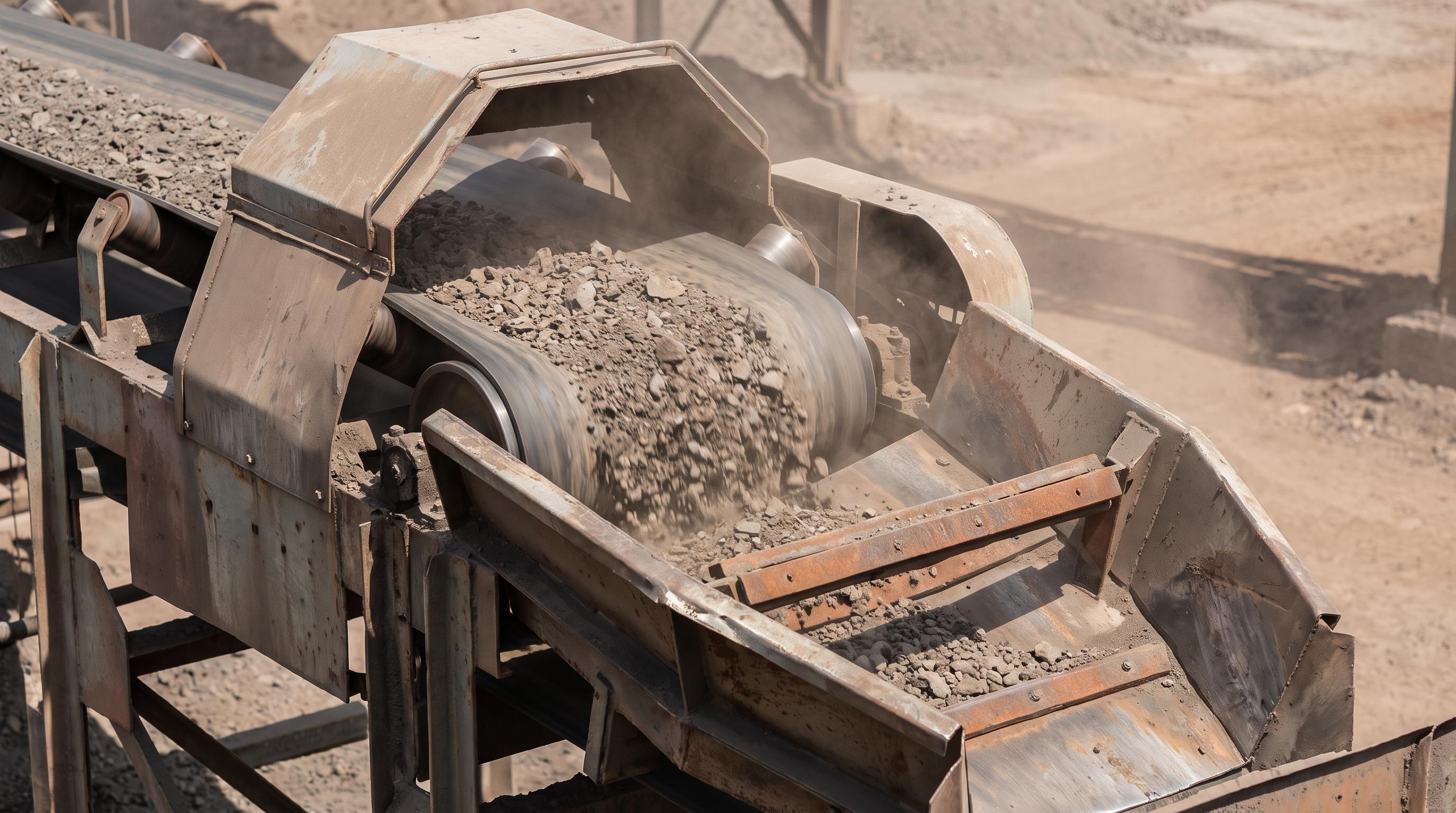
Bulk Cargo Conveyor Design Checklist for High-Throughput Loading and Transfer
A bulk cargo conveyor system must be designed for reliable, high-throughput loading and transfer. Before finalizing the design, check material characteristics, required capacity, transfer points, dust control, spill prevention, and maintenance access. Careful planning helps improve efficiency, reduce losses, and support smooth material movement across industrial operations.
6 min read
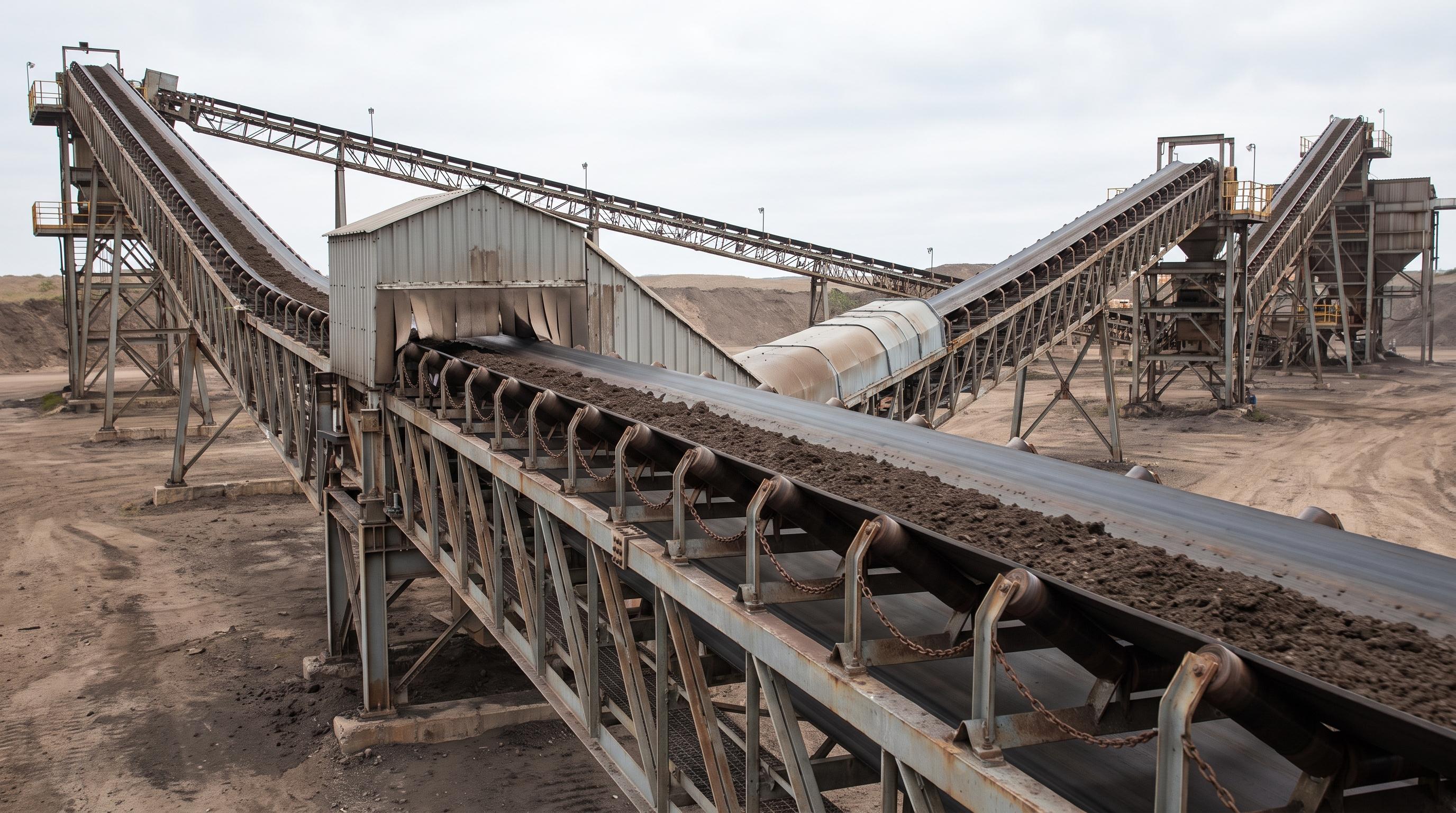
Garland Idlers: When to Use Them on Long-Span and Heavy-Duty Conveyor Runs
Garland idlers support long-span and heavy-duty conveyor runs by improving belt stability, reducing material spillage, and helping manage challenging loads. They are especially useful where conveyors face long distances or demanding operating conditions, making material handling smoother, more reliable, and better suited to industrial performance needs.
9 min read
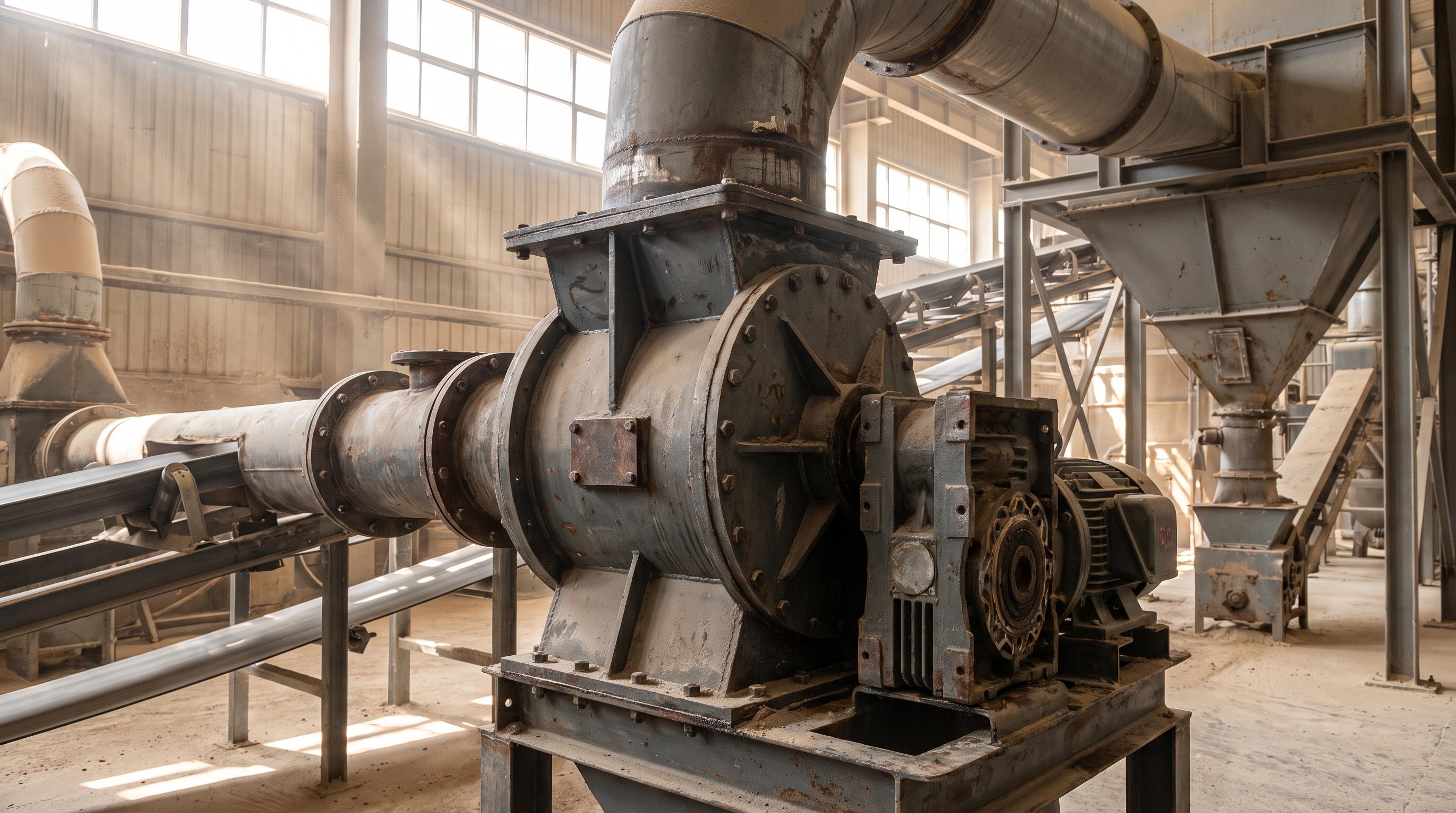
Rotary Airlock Valve Troubleshooting: 10 Common Problems & Engineering Solutions
Comprehensive troubleshooting guide covering 10 common rotary airlock valve failures with symptom analysis, root cause diagnostics, and engineered solutions. Includes preventive maintenance schedules, clearance measurement procedures, and industry-specific failure data from cement, steel, and power
8 min read
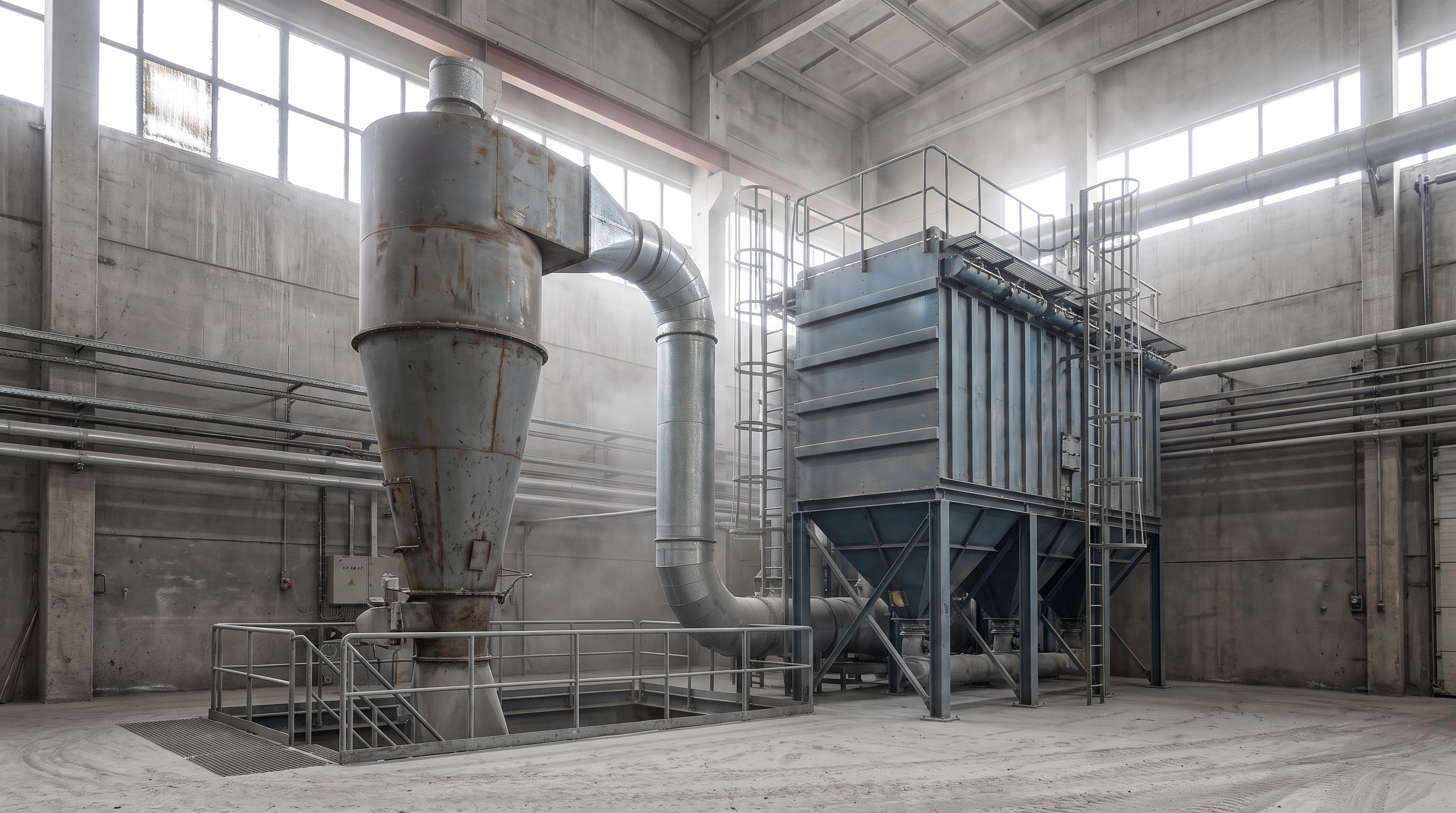
Choosing Between Cyclone and Bag Filter Systems: What Plant Teams Should Evaluate First
Cyclone vs bag filter is not a one-size-fits-all choice. This guide shows plant teams how to compare dust size, loading, outlet cleanliness, maintenance burden, and system architecture before they specify a dust-collection system.
6 min read
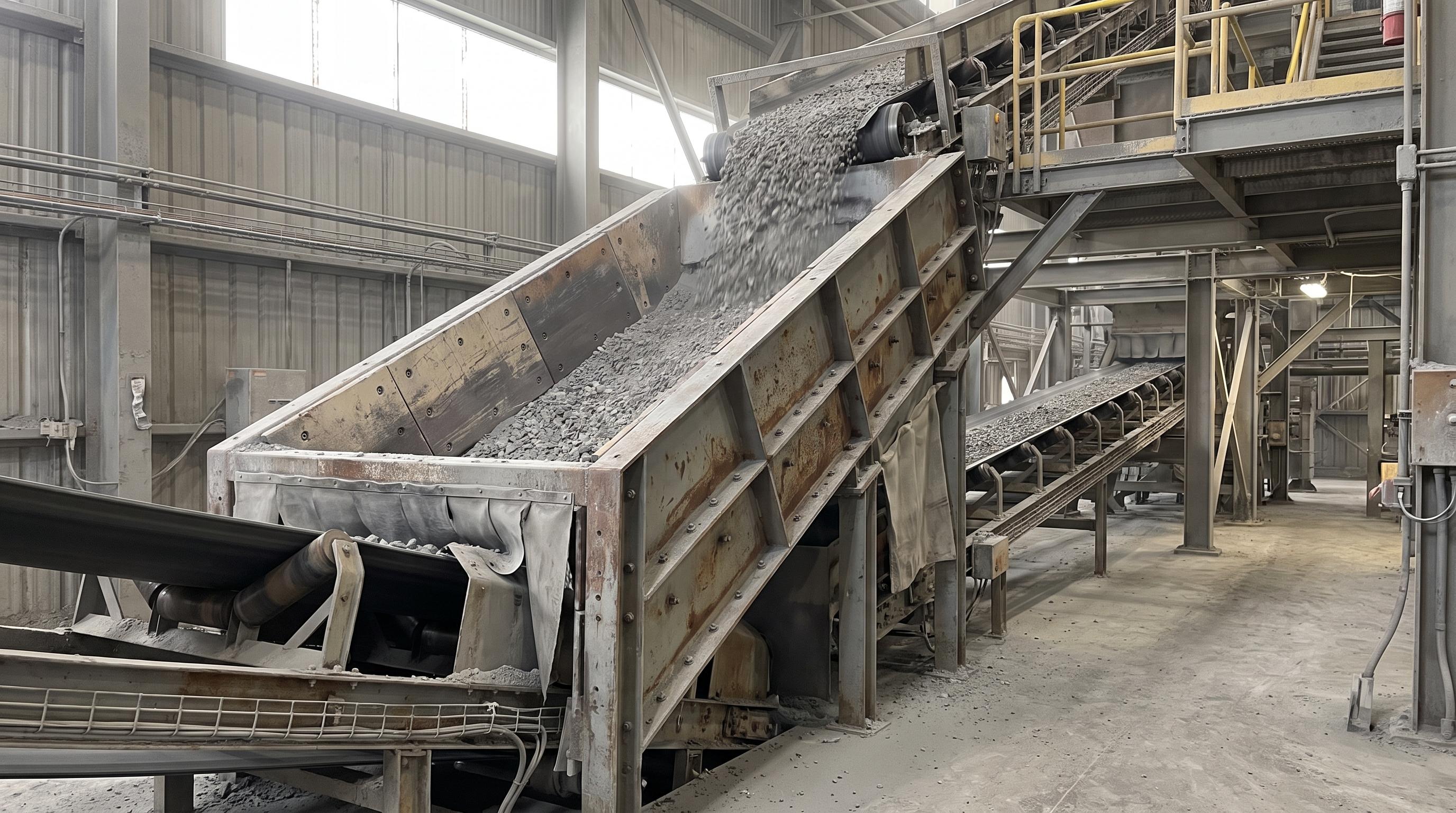
Diverter Chute Design Guide: Types, Selection & Engineering Standards
A practical guide to diverter chute design, this article explains common chute types, key selection factors, and essential engineering standards. It helps readers understand how to choose the right solution for efficient material handling, reduced spillages, and improved system performance in industrial applications.
6 min read
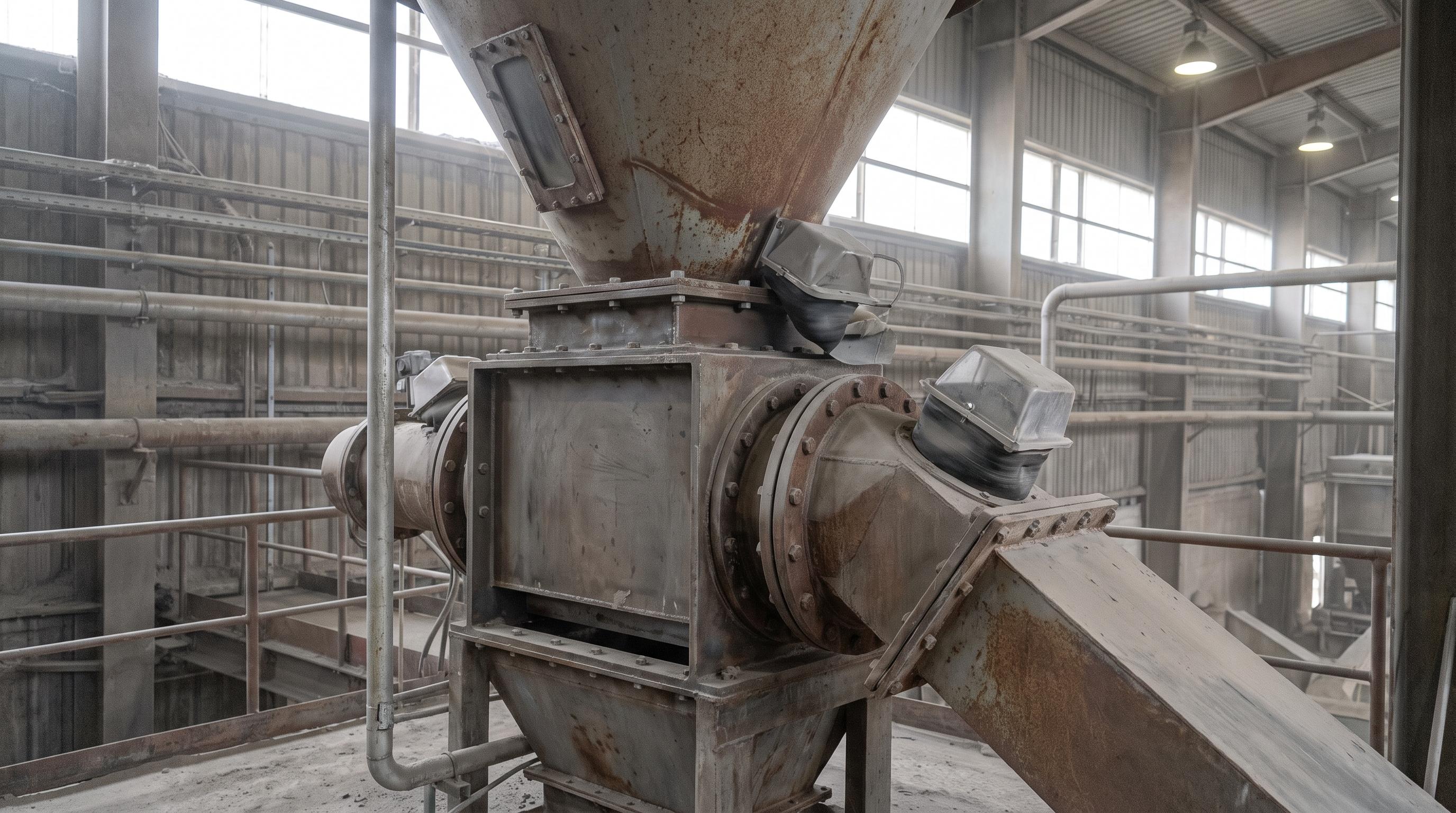
Slide Gate Valve for Bulk Material Handling: Types, Selection & Applications
Comprehensive technical guide covering slide gate valve types, selection parameters, material specifications, and industrial applications for cement, steel, and power plants.
8 min read
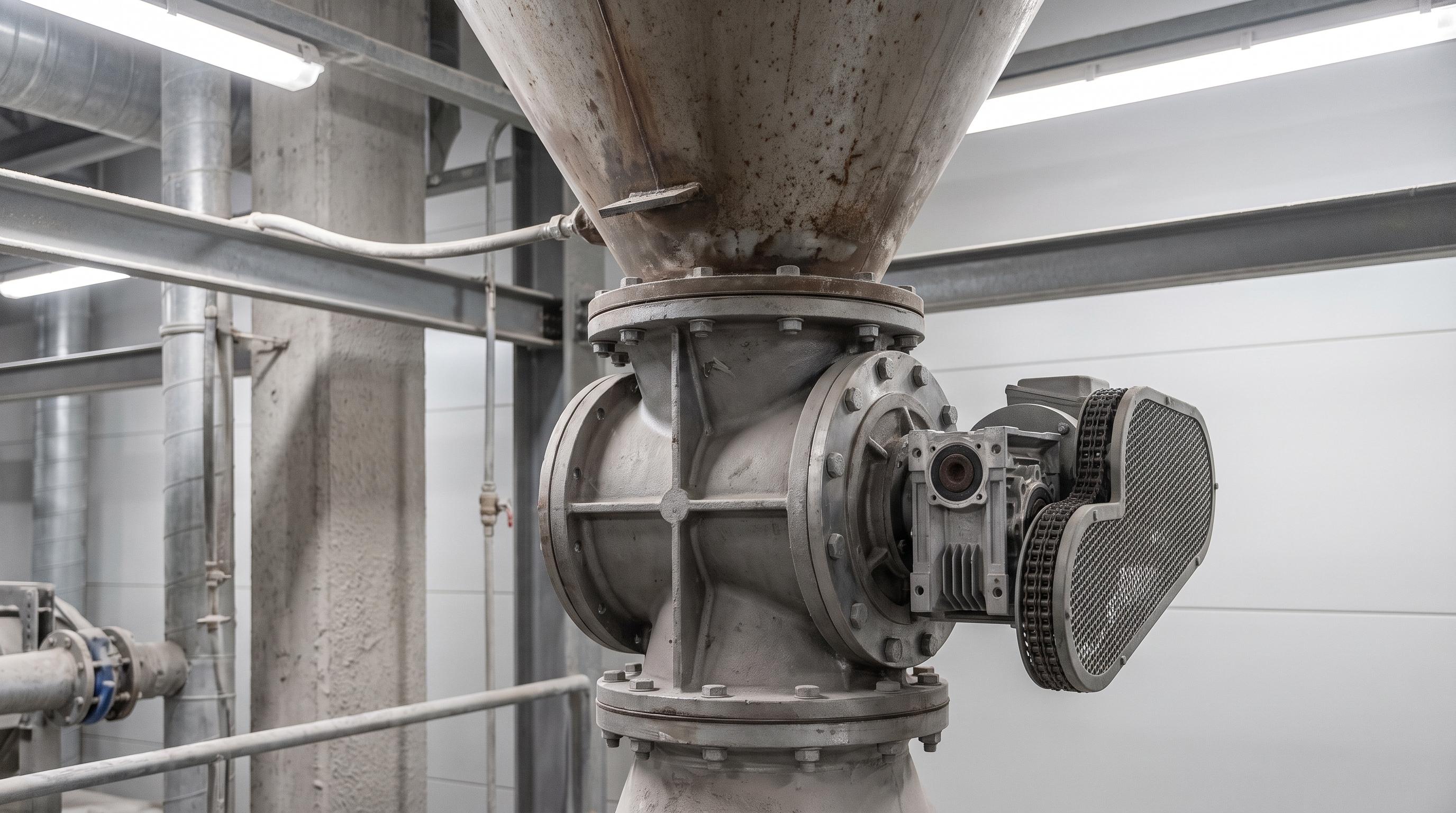
Rotary Airlock Valve: Working Principle, Types & Selection Guide for Pneumatic Conveying
Rotary airlock valves are critical components in pneumatic conveying systems, providing airtight material discharge while maintaining pressure differentials. This comprehensive guide covers working principles, rotor design comparisons, blade configurations, and application-specific selection criteria for cement, coal, and fly ash handling applications.
6 min read
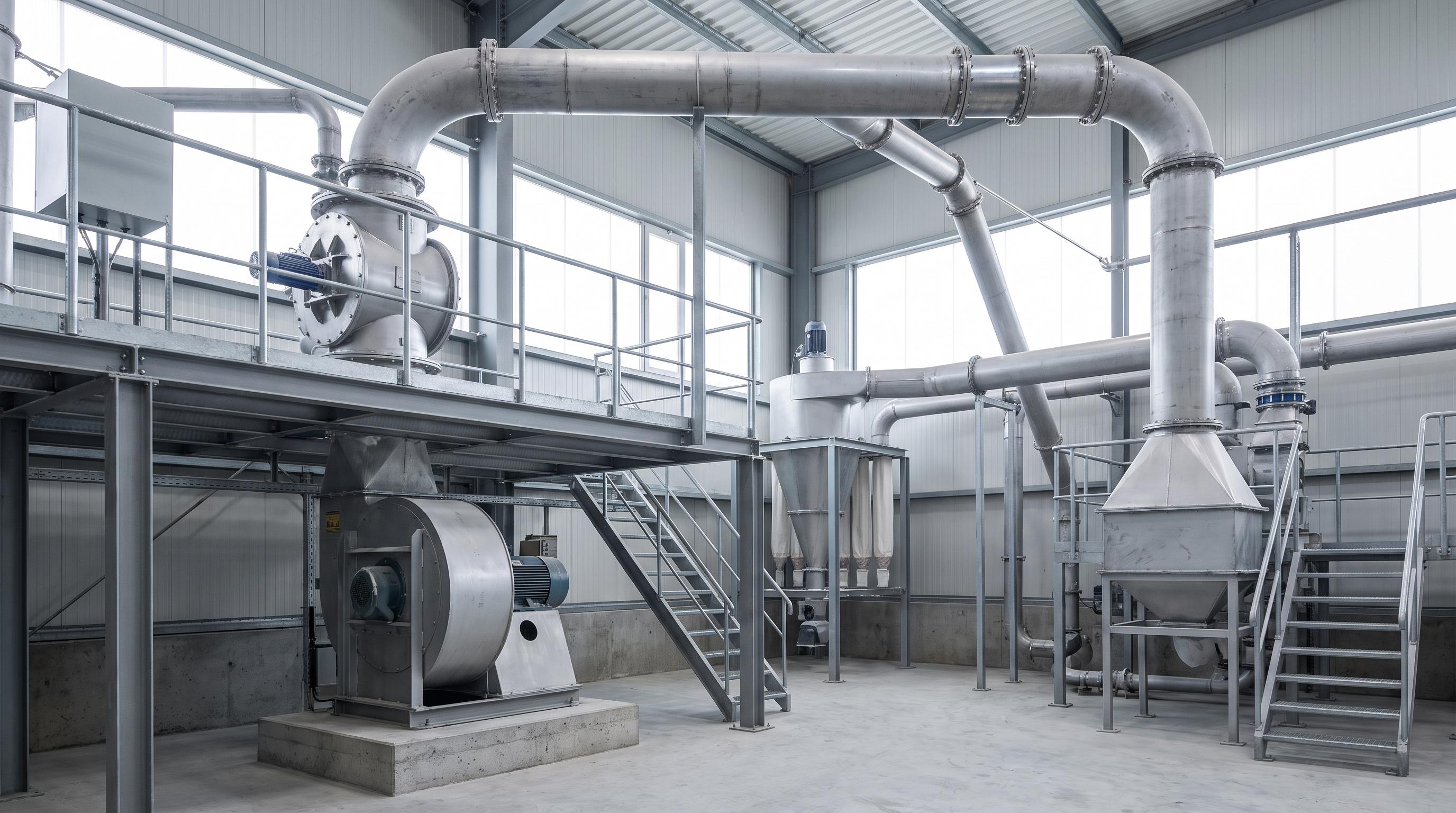
Pneumatic Conveying System Components: Complete Design & Selection Guide
Practical engineering guide to pneumatic conveying system components, including air movers, rotary airlocks, pipelines, diverter valves, cyclones, and filters. Learn how to size each element, estimate pressure drop, and avoid common design mistakes in cement, mining, power, and dry bulk duty.
10 min read
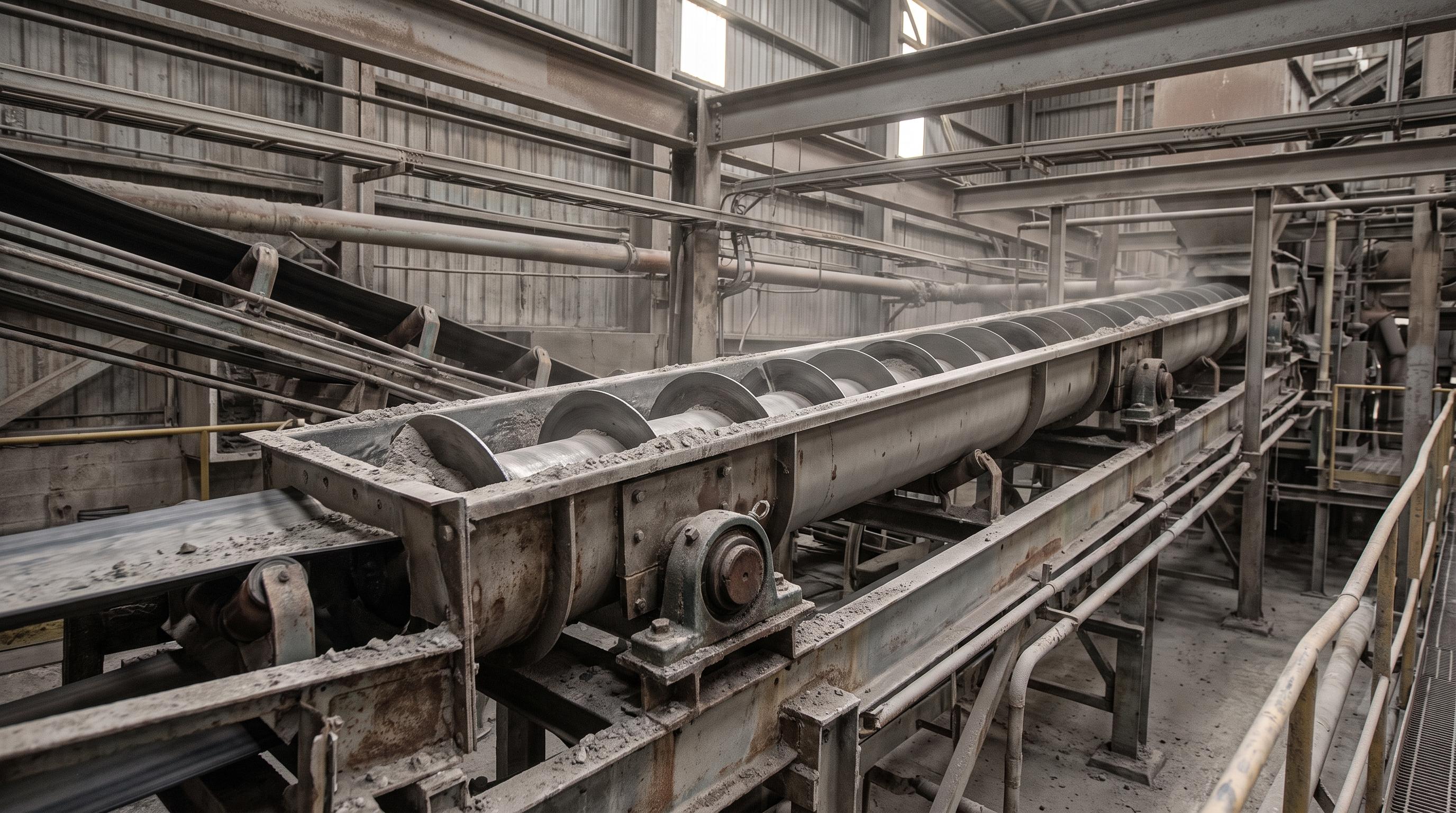
Screw Conveyor Design: Types, Calculations & Applications in Bulk Material Handling
A practical engineering guide to screw conveyor design covering conveyor types, capacity and power calculations, selection factors, common design mistakes, maintenance priorities, and field-proven application guidance for cement, mining, power, and bulk handling plants.
12 min read
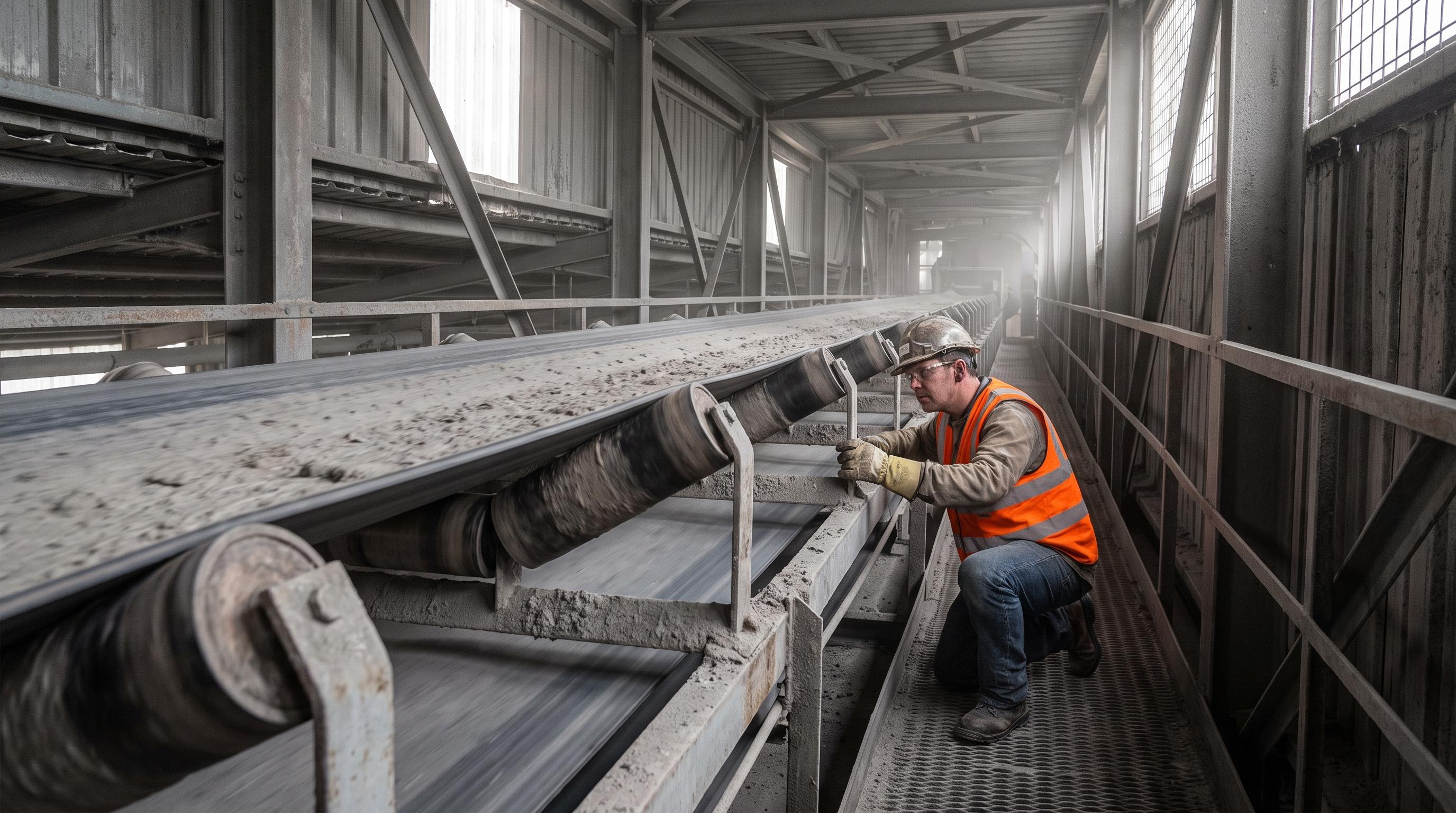
Conveyor Belt Tracking Problems: Complete Troubleshooting Guide for Plant Engineers
A practical engineering guide to conveyor belt tracking problems, covering root causes, diagnostics, design checks, and proven fixes for cement, mining, and bulk material plants.
9 min read
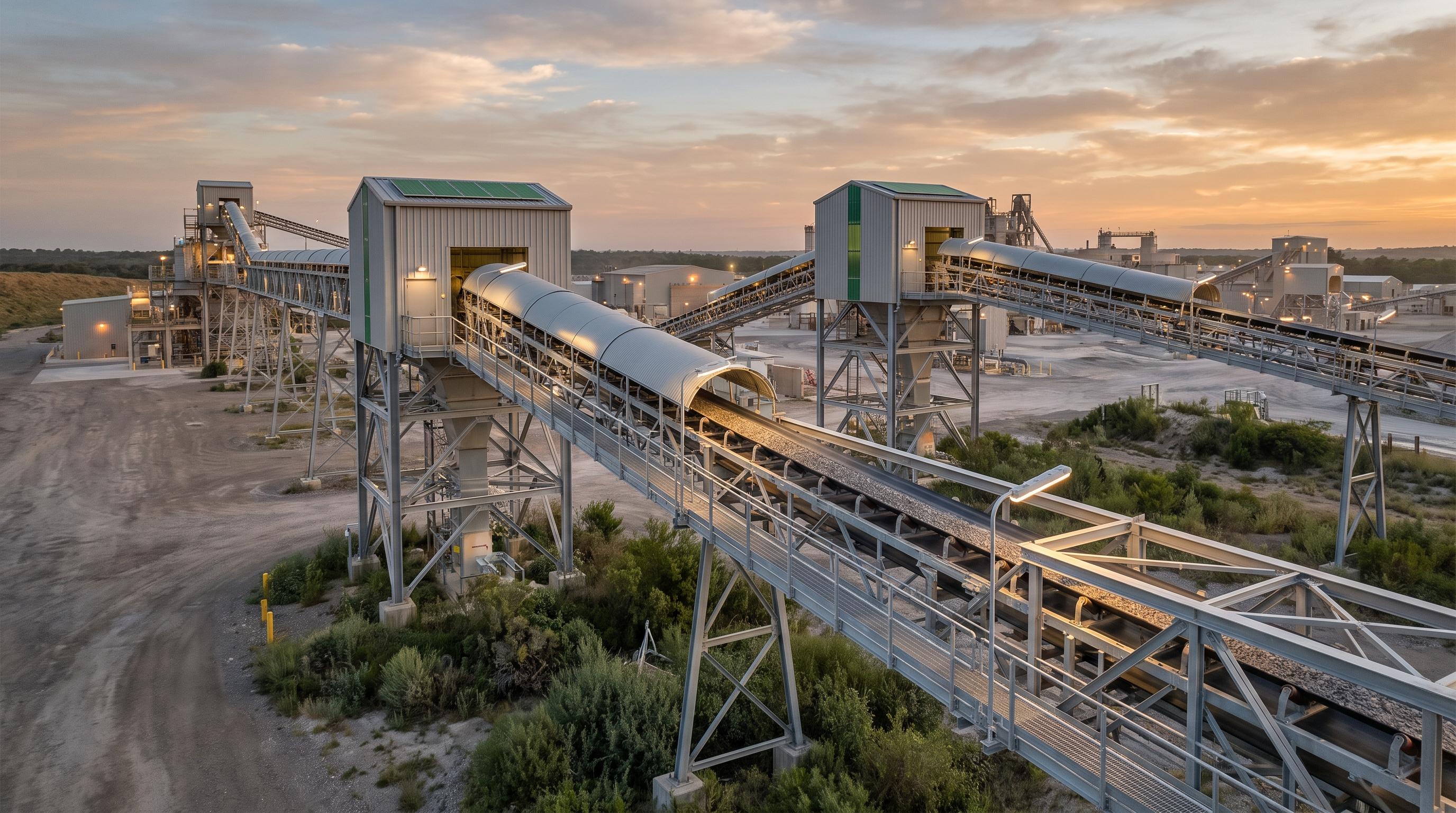
Engineering Sustainability: The Role of Conveyors in a Greener Future
As industries move toward greener operations, conveyors play a quiet but powerful role. Energy-efficient motors, regenerative braking systems, and low-friction components can cut power consumption dramatically.
9 min read
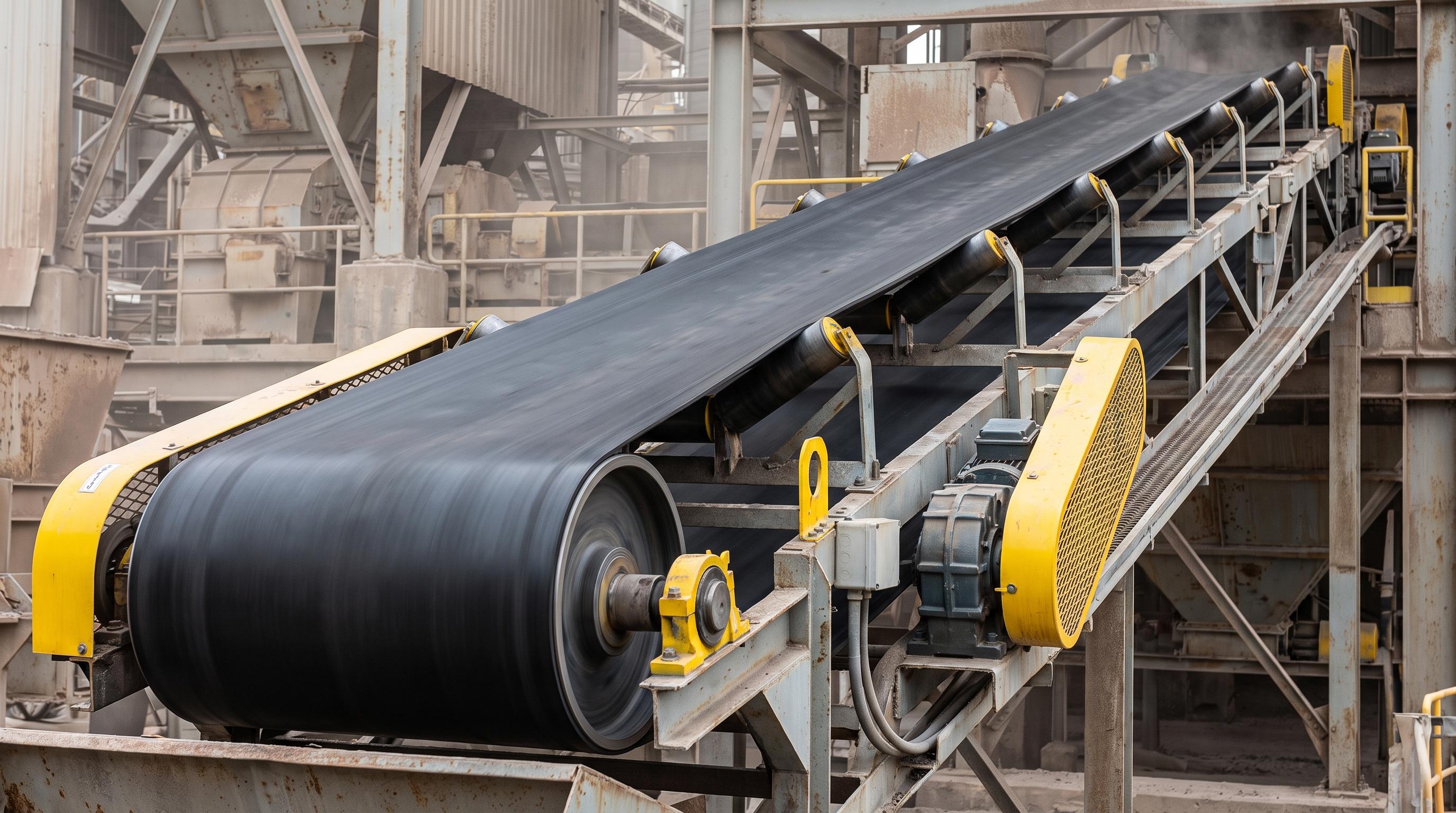
Conveyor Pulley Types: Head, Tail, Snub, Bend & Drive Pulleys Explained
A comprehensive technical guide to conveyor pulley types used in bulk material handling systems. Covers head/drive, tail, snub, bend, and take-up pulleys with detailed specifications, lagging options, and application-specific selection criteria for cement, steel, and power plant applications.
12 min read
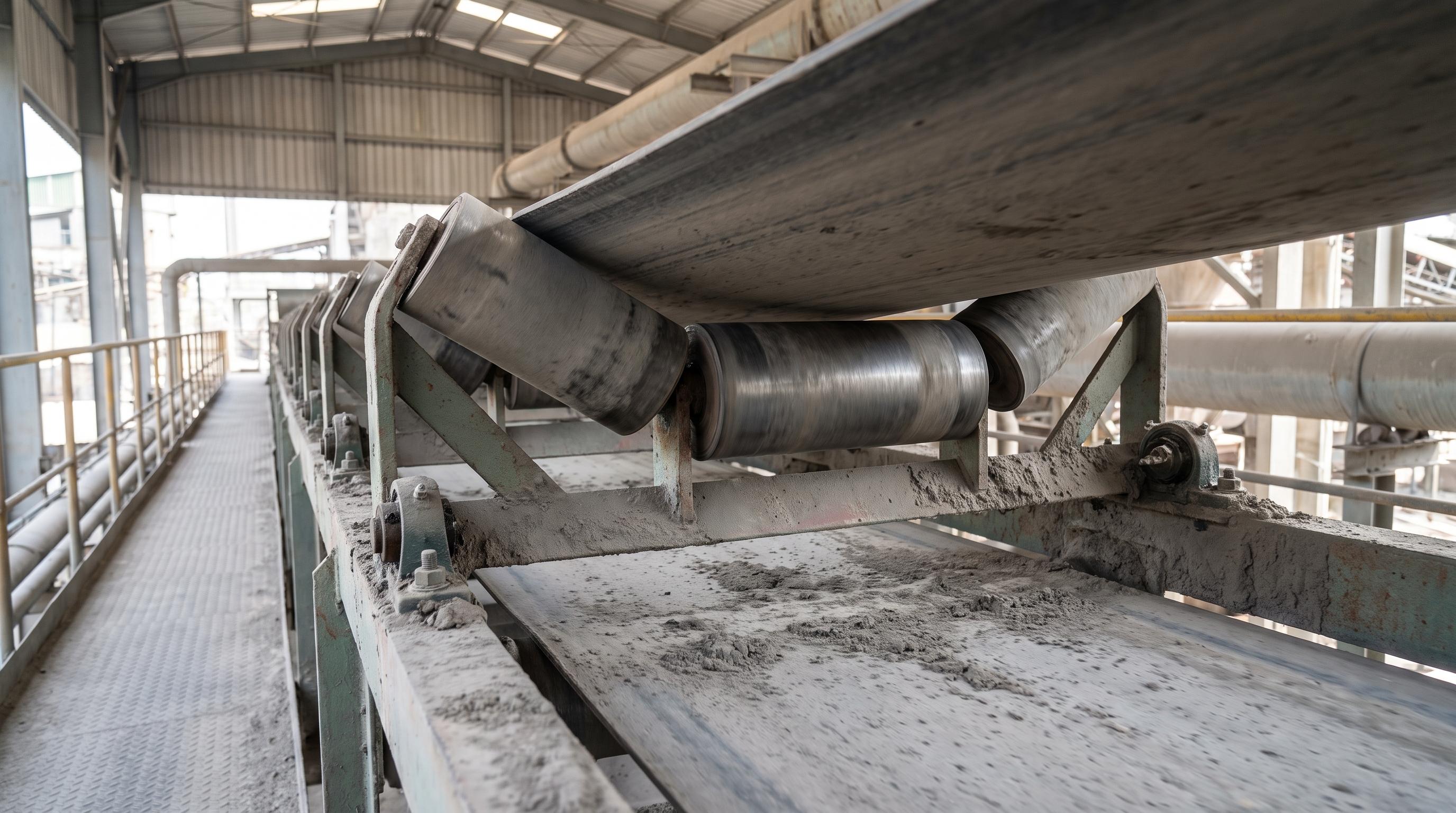
CEMA Idler Standards Explained: Classes B, C, D, E for Indian Plant Engineers
A practical guide to CEMA idler series B, C, D, and E and duty classes I-V for conveyor engineers. Learn how structural ratings, bearing life, local standards, and site conditions affect idler selection in cement, mining, steel, power, ports, and bulk handling applications.
8 min read
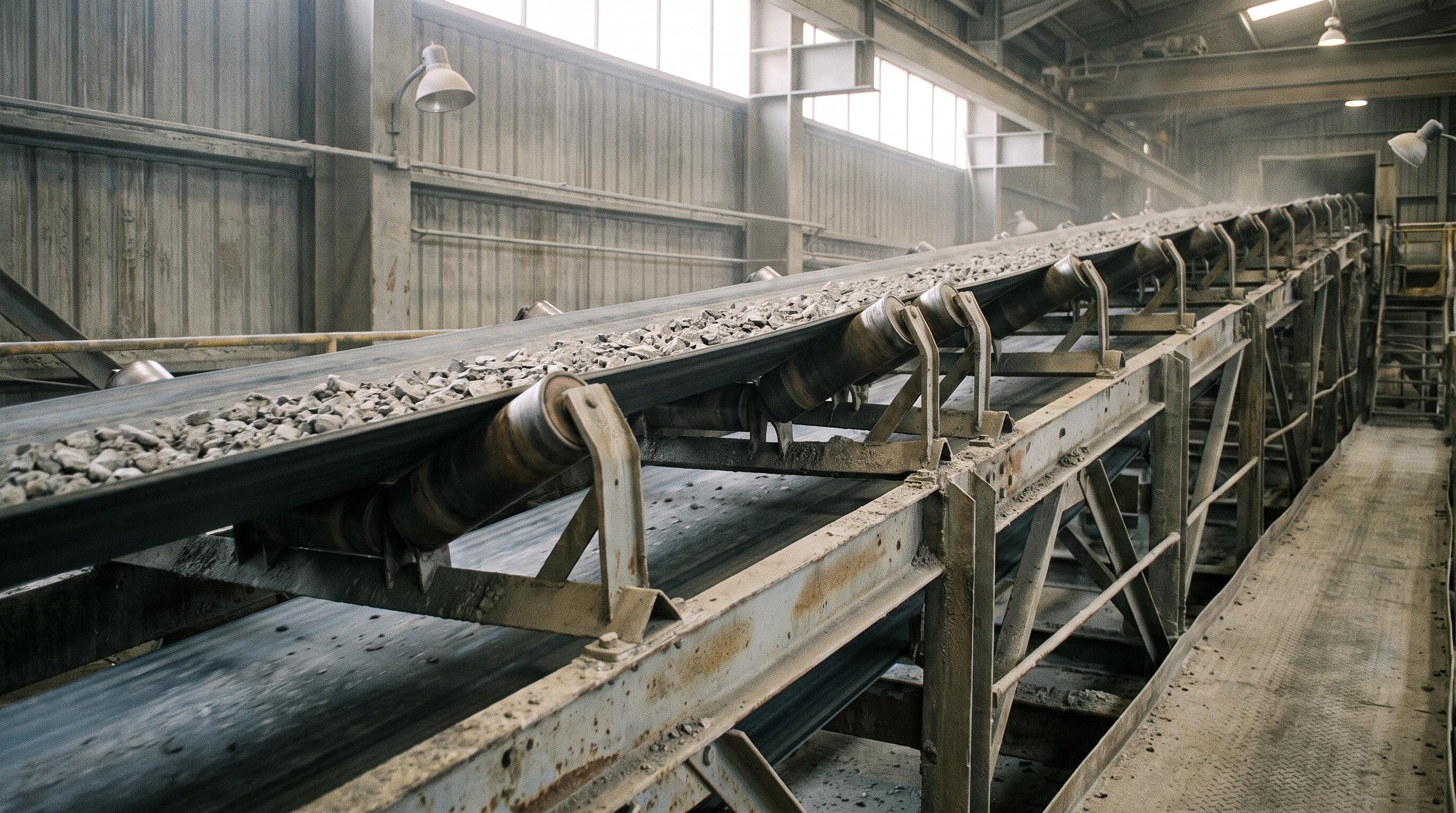
Conveyor Idler Selection Guide: How to Choose the Right Idler for Your Application
Proper conveyor idler selection is critical for achieving trouble-free material mobility in bulk handling systems. This comprehensive technical guide provides plant engineers with a systematic six-step methodology covering load calculations, CEMA classification, diameter selection, bearing specification, sealing system design, and environmental considerations for cement, steel, and power plant applications.
7 min read
Self-Aligning Idlers: How They Work, When You Need Them, and How to Specify Them
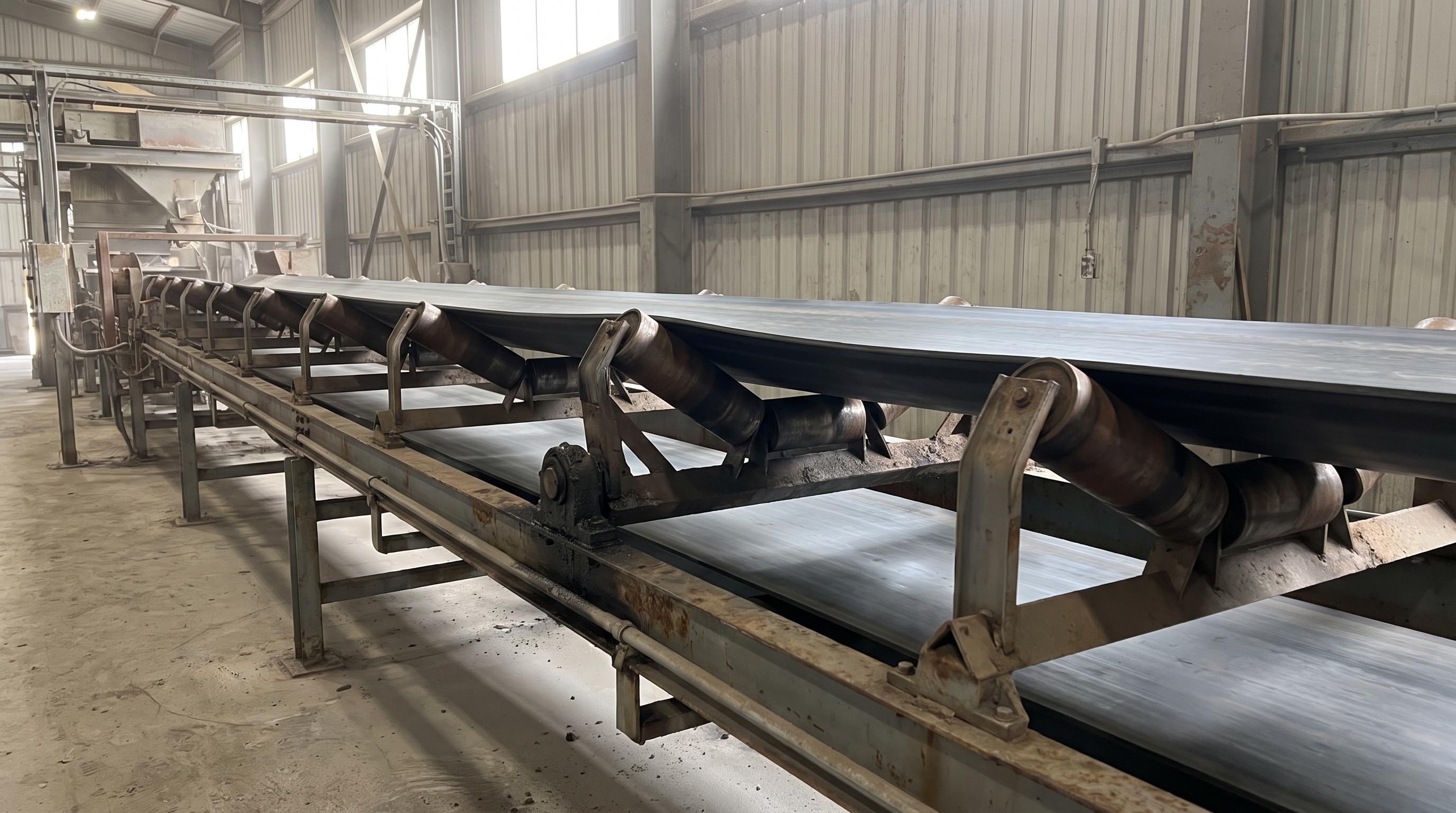
Self-aligning idlers correct belt mistracking automatically, using an off-centre pivot that steers the belt back to centre. This guide covers how they work, why belts drift, when you need them, installation spacing, and how to specify them per IS 11592 and CEMA.
12 min read
Impact Idlers for Cement Plants: Specifications, Selection & Installation Guide
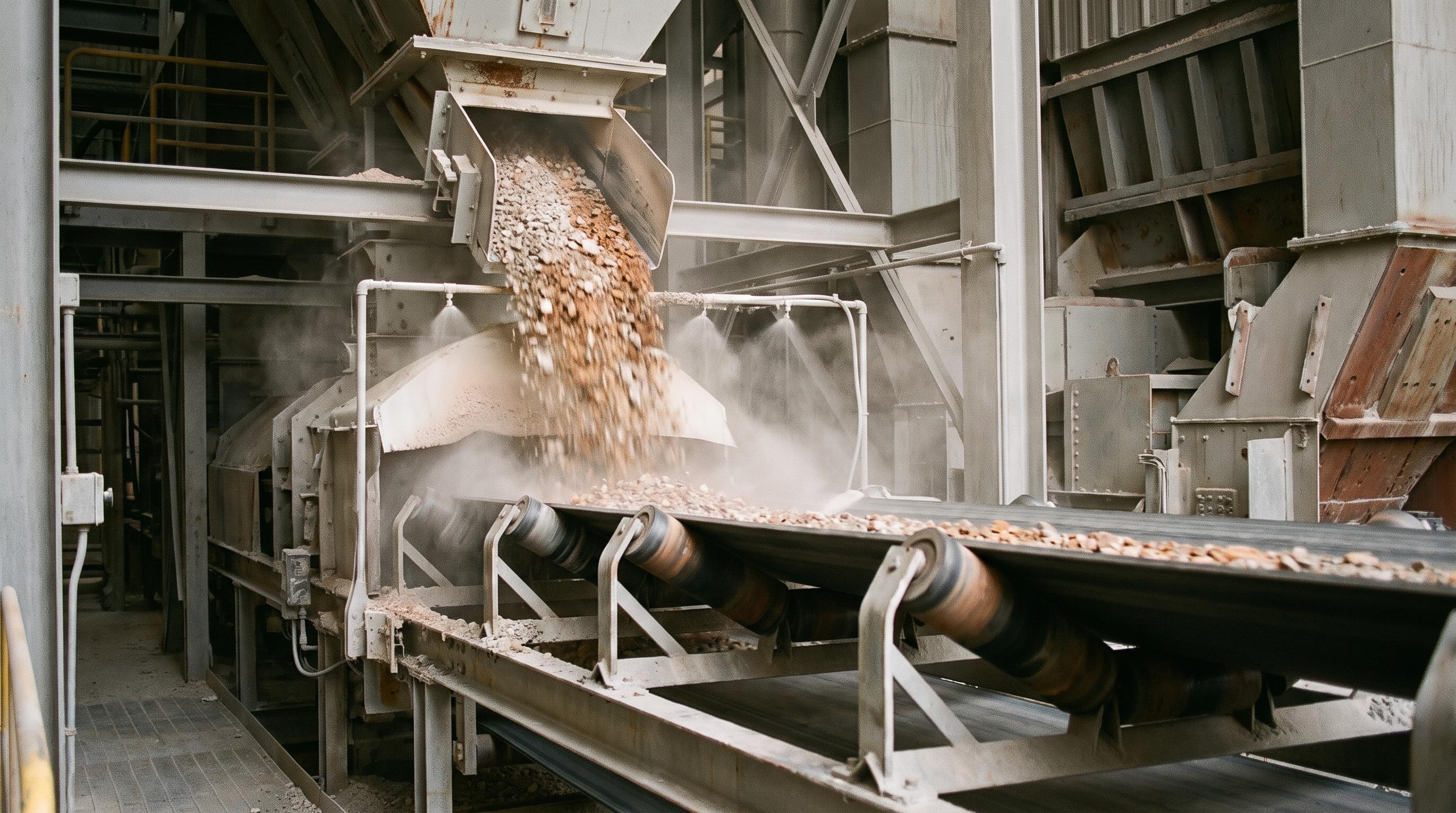
Impact idlers are critical components at cement plant loading points where clinker, limestone, and raw meal create severe impact loads. This technical guide covers specification parameters, selection criteria, and installation practices for trouble-free operation in cement duty applications.
7 min read
Retrofitting Old Conveyor Systems: A Smarter, Cost-Effective Upgrade
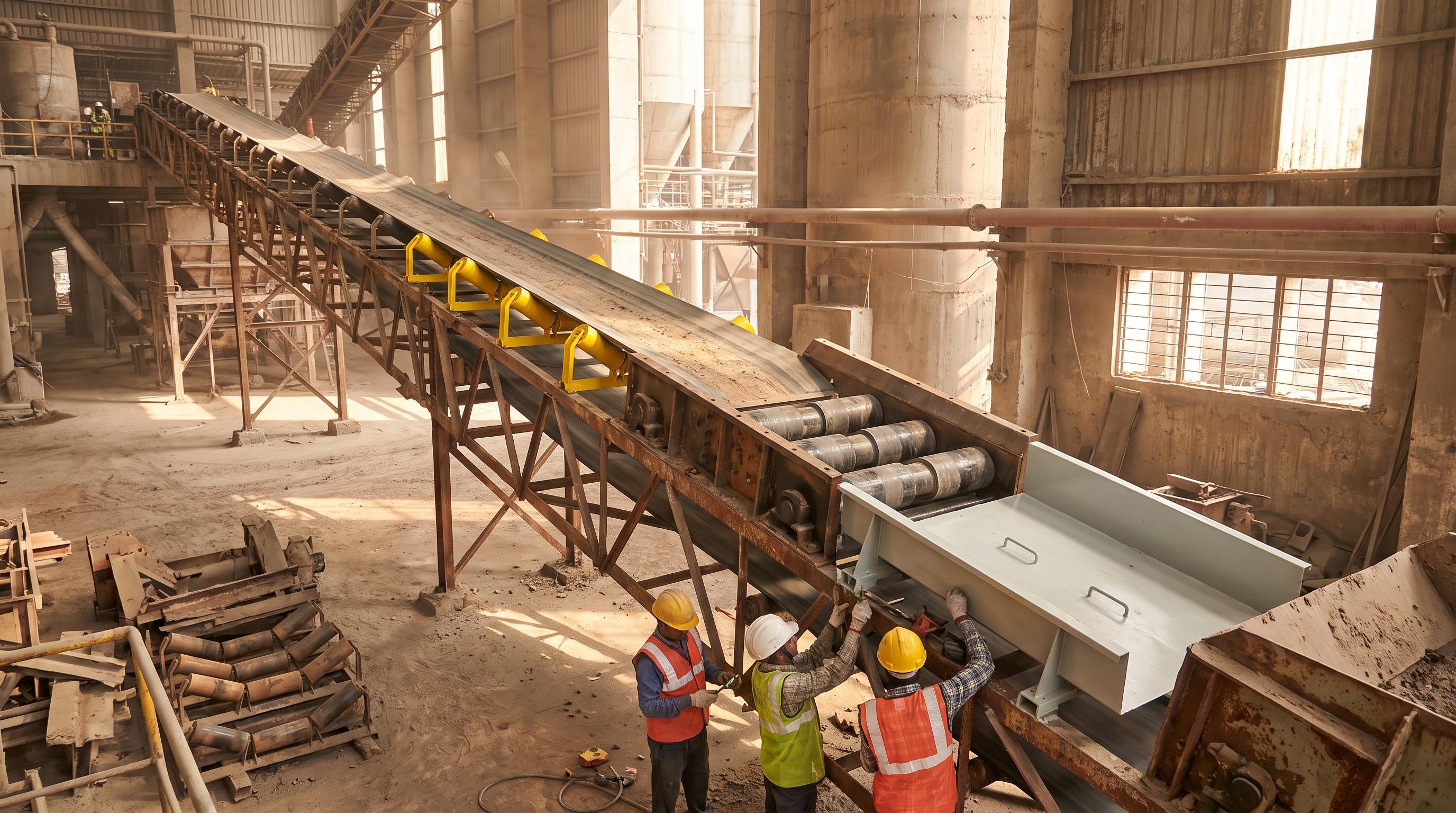
Many industries run conveyor systems that are over a decade old — reliable but outdated. Instead of full replacement, retrofitting offers a faster, more cost-effective way to modernize.
6 min read
The Hidden Cost of Conveyor Downtime and How to Prevent It
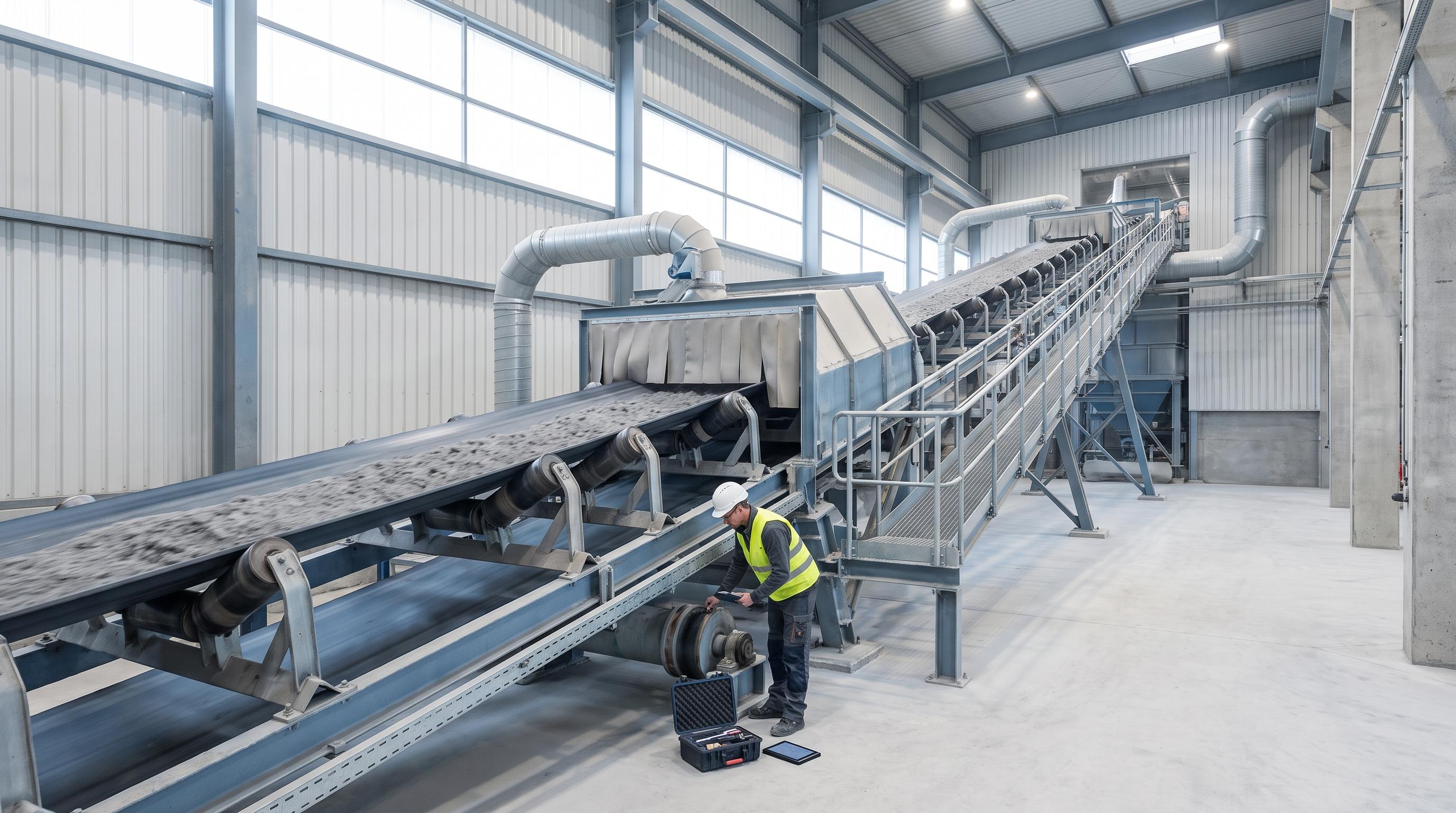
Unplanned conveyor downtime costs far more than mere hardware repairs; it ripples downstream, stalling production, causing secondary structural damage, and creating regulatory liabilities. By shifting from reactive maintenance to proactive engineering specifically prioritizing precise CEMA idler selection, robust transfer-point sealing, and automatic self-aligning tracking arrays plants protect profitability and secure consistent material throughput.
5 min read
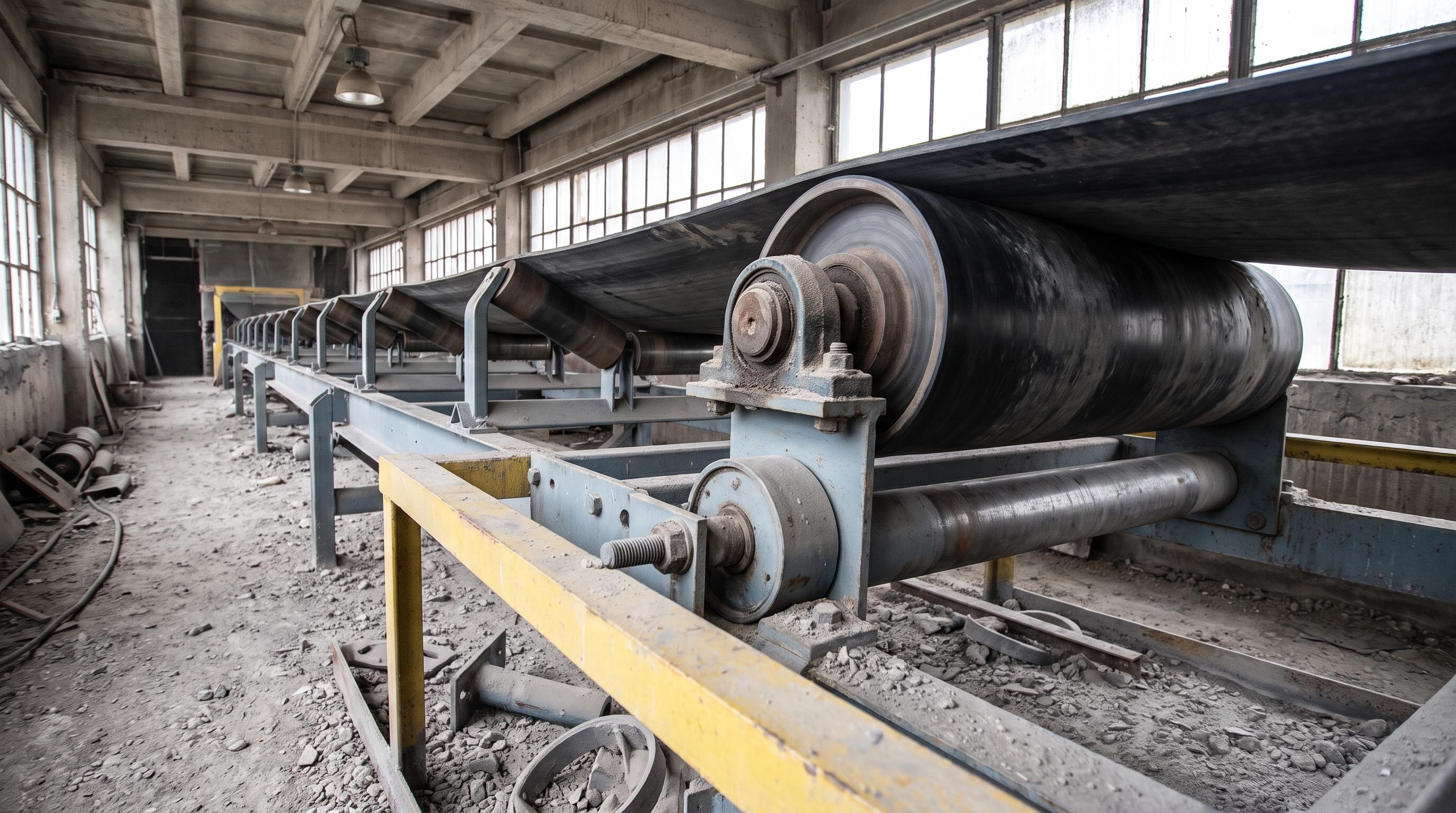
Return Idler Spacing Calculation: A Design Guide for Conveyor Engineers
Return idler spacing is set by belt sag, not guesswork. This guide covers the sag formula, how much sag is acceptable, typical spacing by belt width, a worked 1200 mm example, the main return idler types, and where to tighten spacing.
10 min read
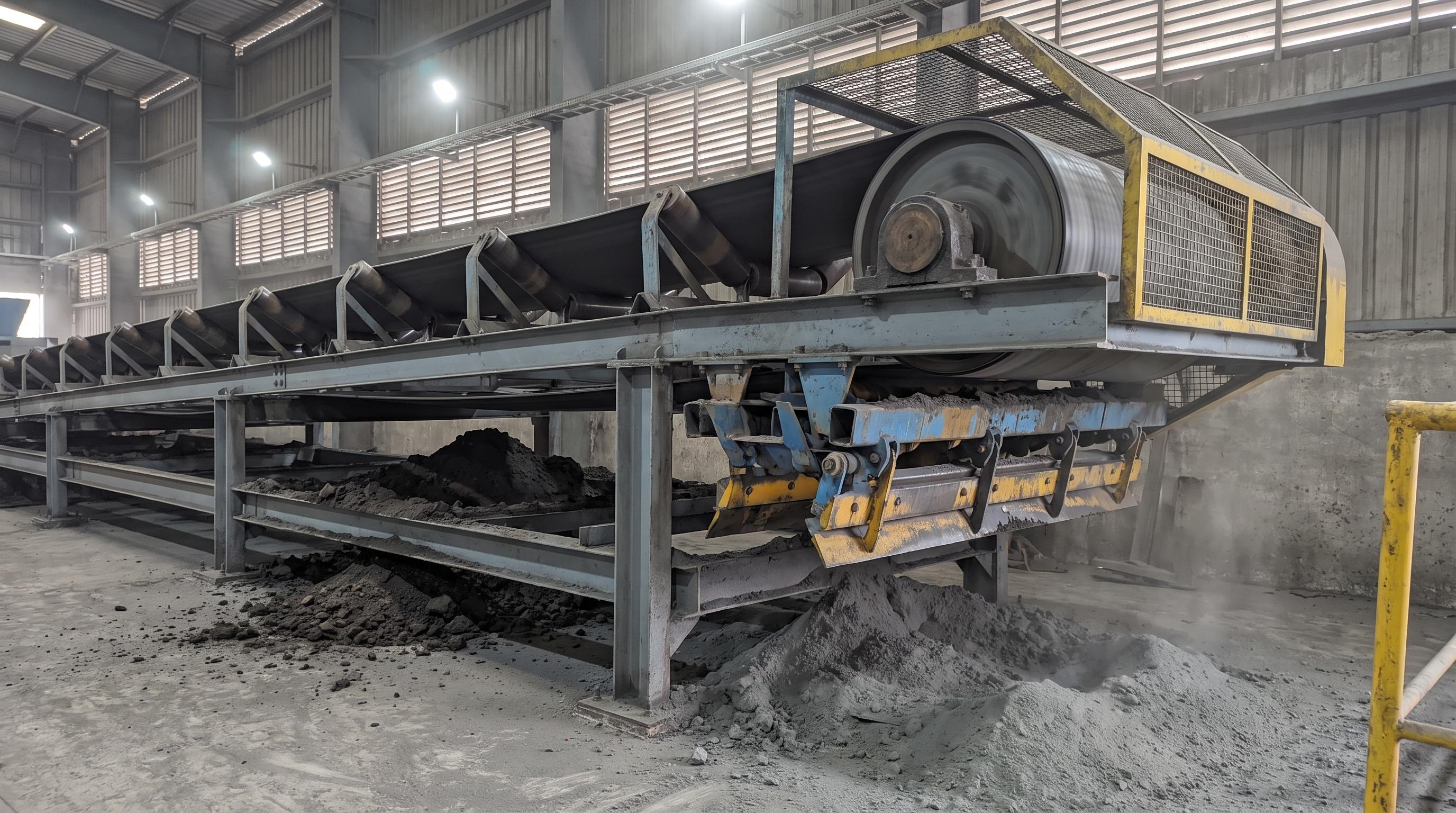
Conveyor Carryback: Causes, Impact & Engineering Methods to Reduce Material Build-Up
Conveyor carryback is the material that remains attached to a conveyor belt after it passes the discharge point and continues along the return side. It is typically caused by ineffective belt cleaning, sticky materials, improper scraper selection, or poor maintenance. Reducing carryback helps minimise material loss, equipment wear, housekeeping efforts, and unplanned downtime while improving overall conveyor reliability.
7 min read
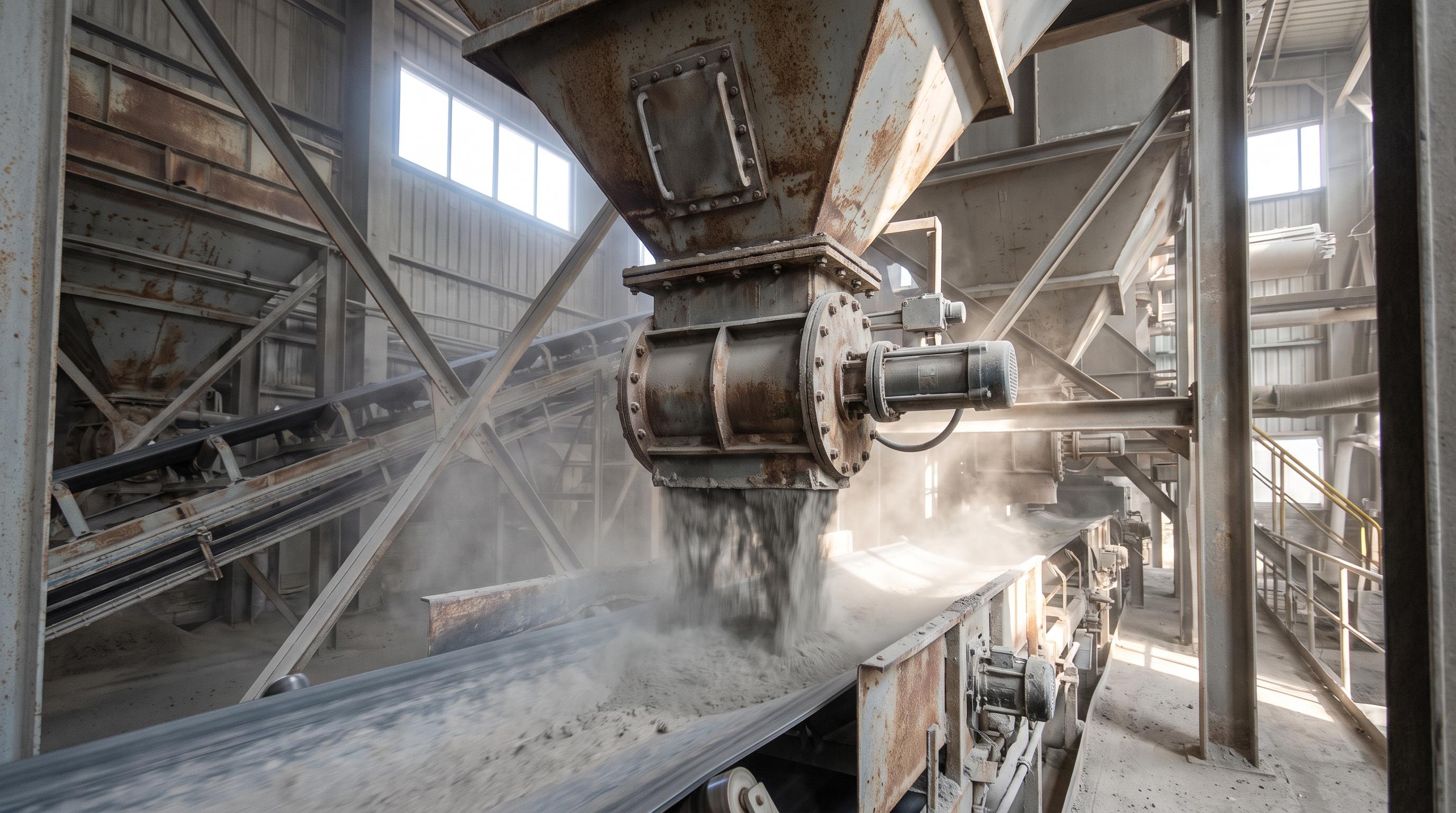
How to Size and Specify a Flow Control Gate for Stable Hopper and Silo Discharge
Sizing a flow control gate requires analyzing the material profile to avoid bridging or line flooding. Matching the **gate opening** to hopper design parameters prevents choking, while choosing the correct gate type and seals ensures a **stable, dust-tight discharge loop** under heavy static loads.
6 min read
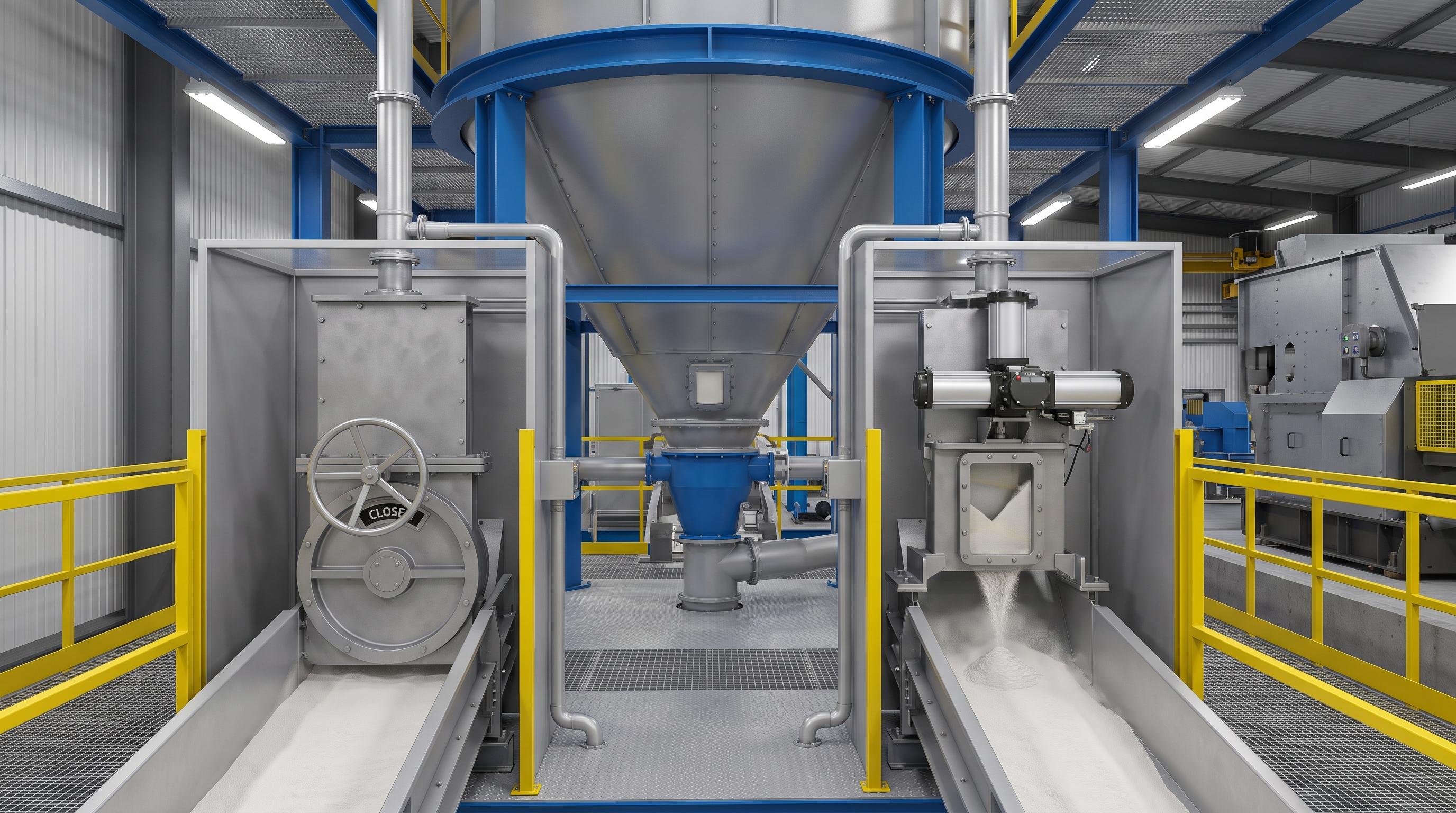
Flow Control Gate vs Slide Gate: When You Need Metering Instead of Shut-Off
This guide highlights the mechanical differences between a standard slide gate and a flow control gate. While slide gates are engineered for binary on/off maintenance isolation, flow control gates utilize variable positioning and advanced seals for precise, continuous volumetric metering, preventing material flooding and premature down-line component wear.
5 min read
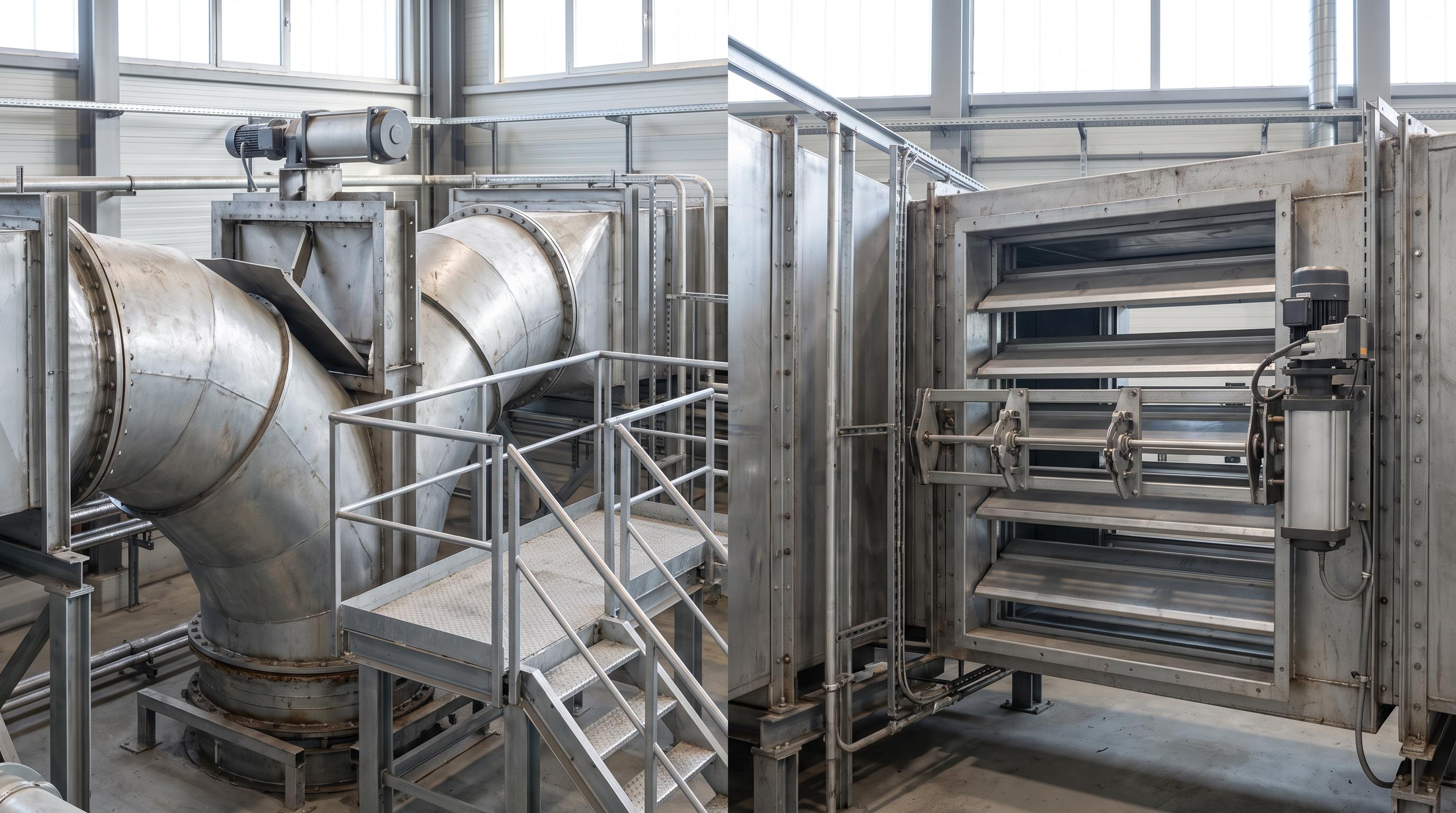
Splitter Dampers vs Louver Dampers Which One Fits Your Airflow Control Duty Better?
This guide highlights the differences between industrial splitter and louver dampers for duct system airflow management. While splitter dampers cleanly divert or partition a gas stream at Y-junctions with minimal pressure drop, multi-blade louver dampers offer superior inline throttling, volume modulation, and backpressure control within a single duct line.
6 min read
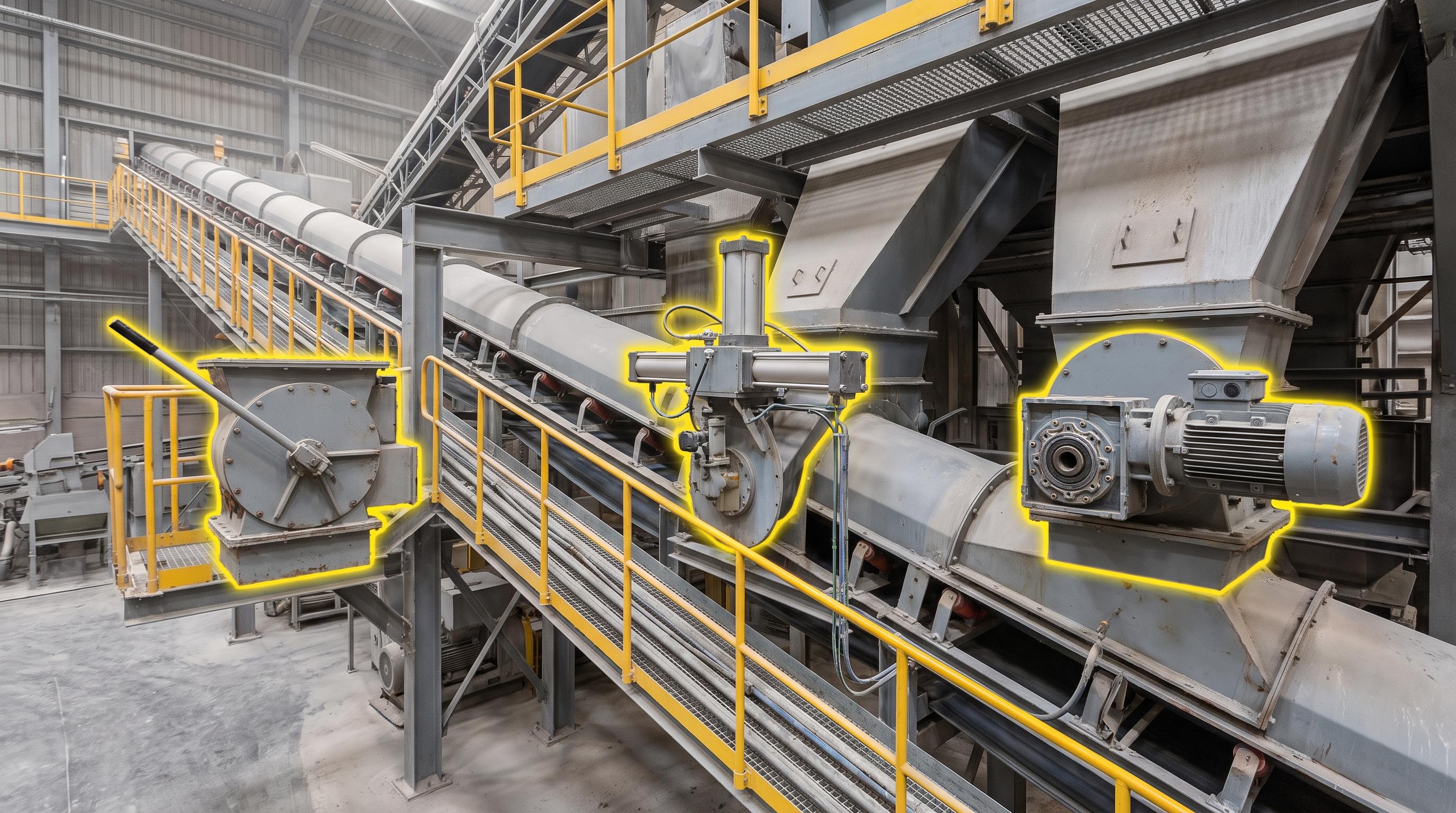
Manual vs. Pneumatic vs. Motorized Diverter Valves for Bulk Material Routing
This guide compares manual, pneumatic, and motorized diverter valves for bulk material routing. Manual valves suit infrequent, low-risk changes; pneumatic valves offer rapid, high-cycle binary switching; and motorized valves deliver high-torque, controlled positioning. Choosing the correct actuation method prevents operational downtime, material jams, and structural wear.
6 min read
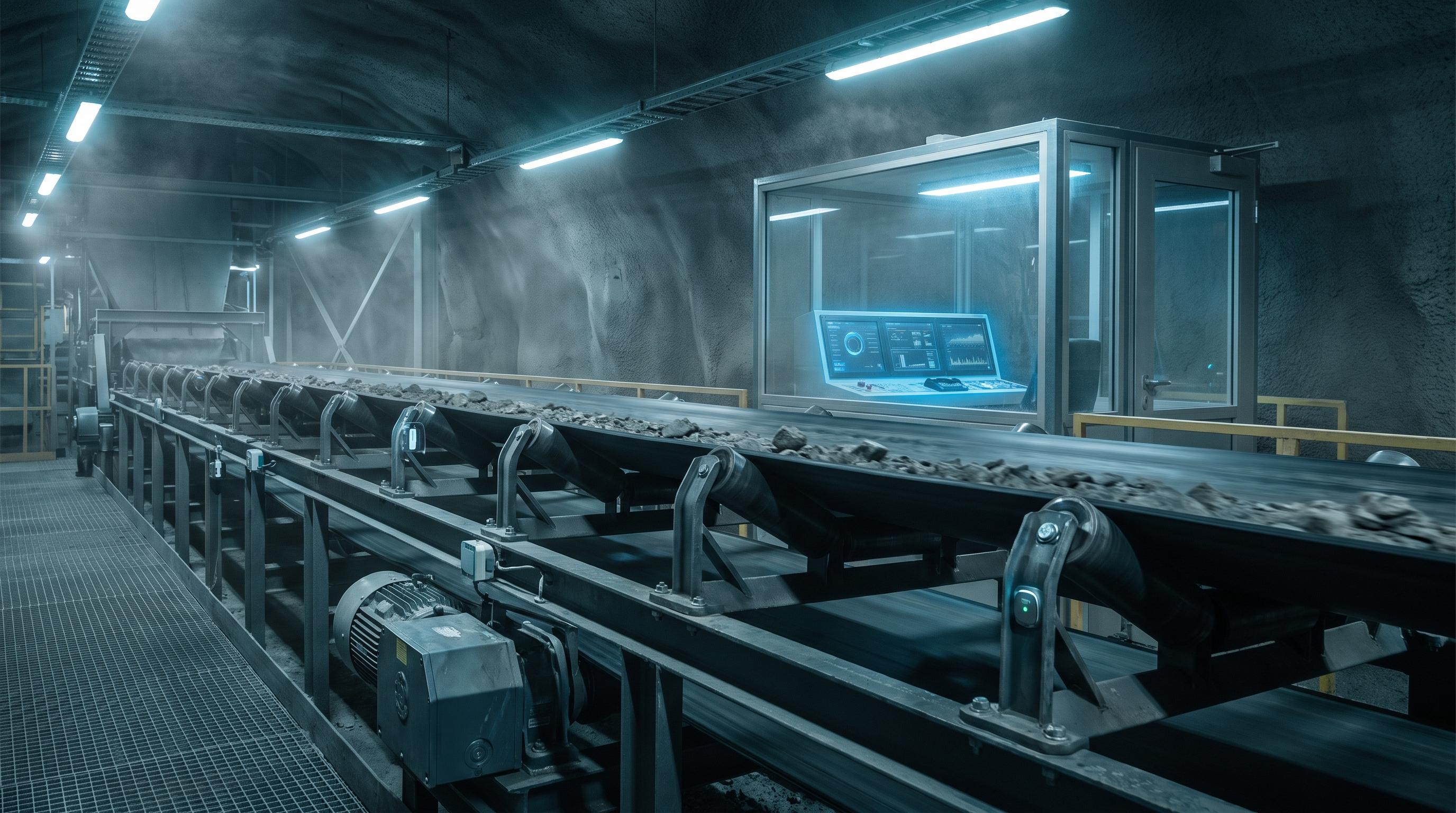
Why Smart Conveyors Are the Future of Industrial Efficiency
Smart conveyors improve industrial efficiency by turning hidden belt, drive, load, and maintenance problems into visible, actionable signals. For cement, mining, steel, and bulk material handling plants, that means fewer unplanned stoppages, safer inspections, better maintenance timing, and more stable throughput.
8 min read
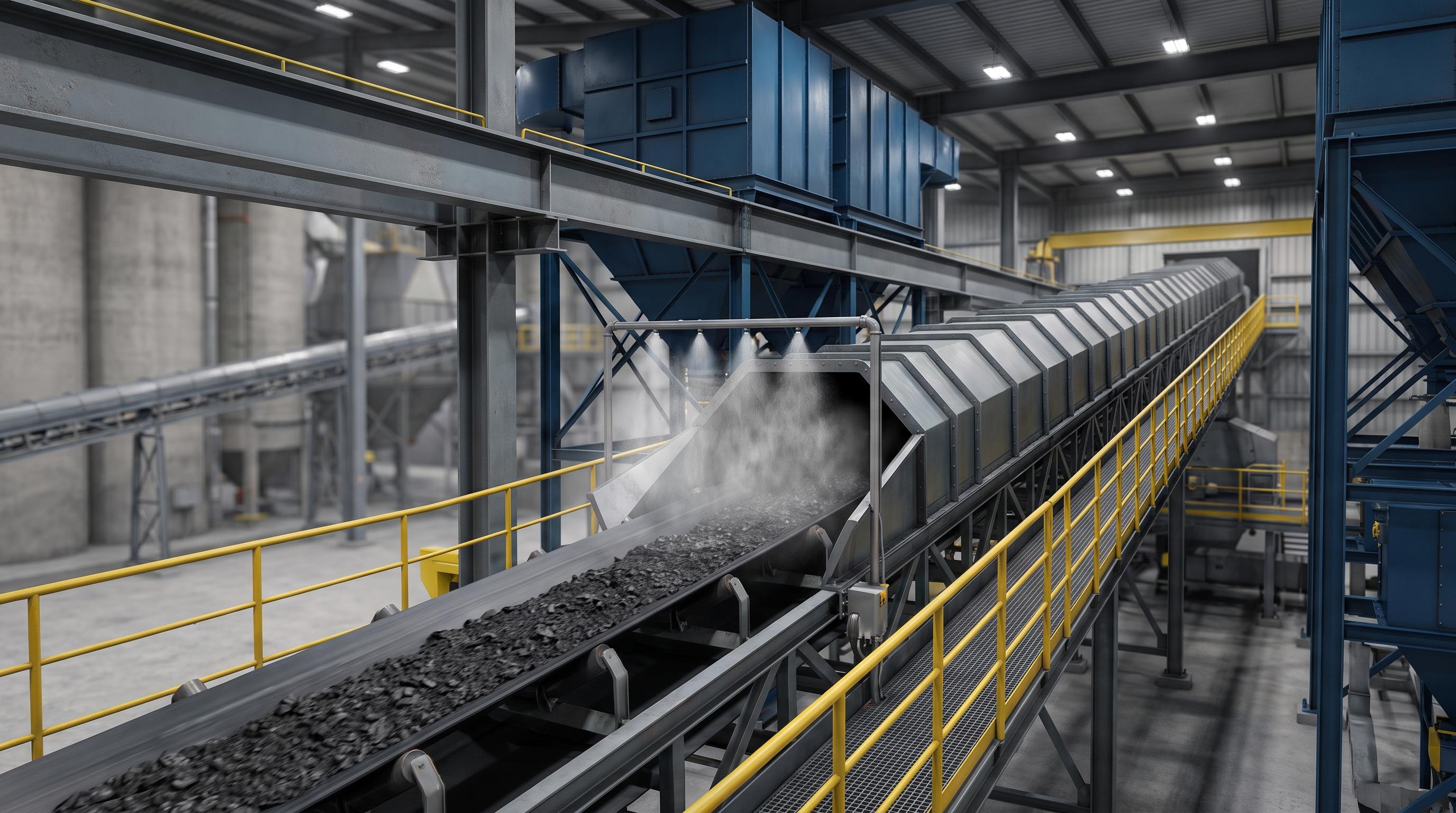
From Dust to Durability: Solving the Industry’s Oldest Conveyor Problem
Conveyor dust is a transfer-point problem before it becomes a housekeeping problem. This article explains why dust forms, how enclosed and properly engineered conveyor sections improve containment, and what plant teams should review to reduce wear, spillage, and downtime.
10 min read

Rotary Airlock Valve vs Rotary Feeder: Key Differences Explained for Material Handling Engineers
Rotary airlock valves and rotary feeders are often confused in bulk material handling systems. While both use rotating vane mechanisms, airlocks maintain pressure differentials in pneumatic conveying systems, whereas feeders primarily meter material flow at atmospheric conditions. This guide clarifies the functional and design distinctions for engineers specifying equipment in cement, steel, and power plants.
12 min read
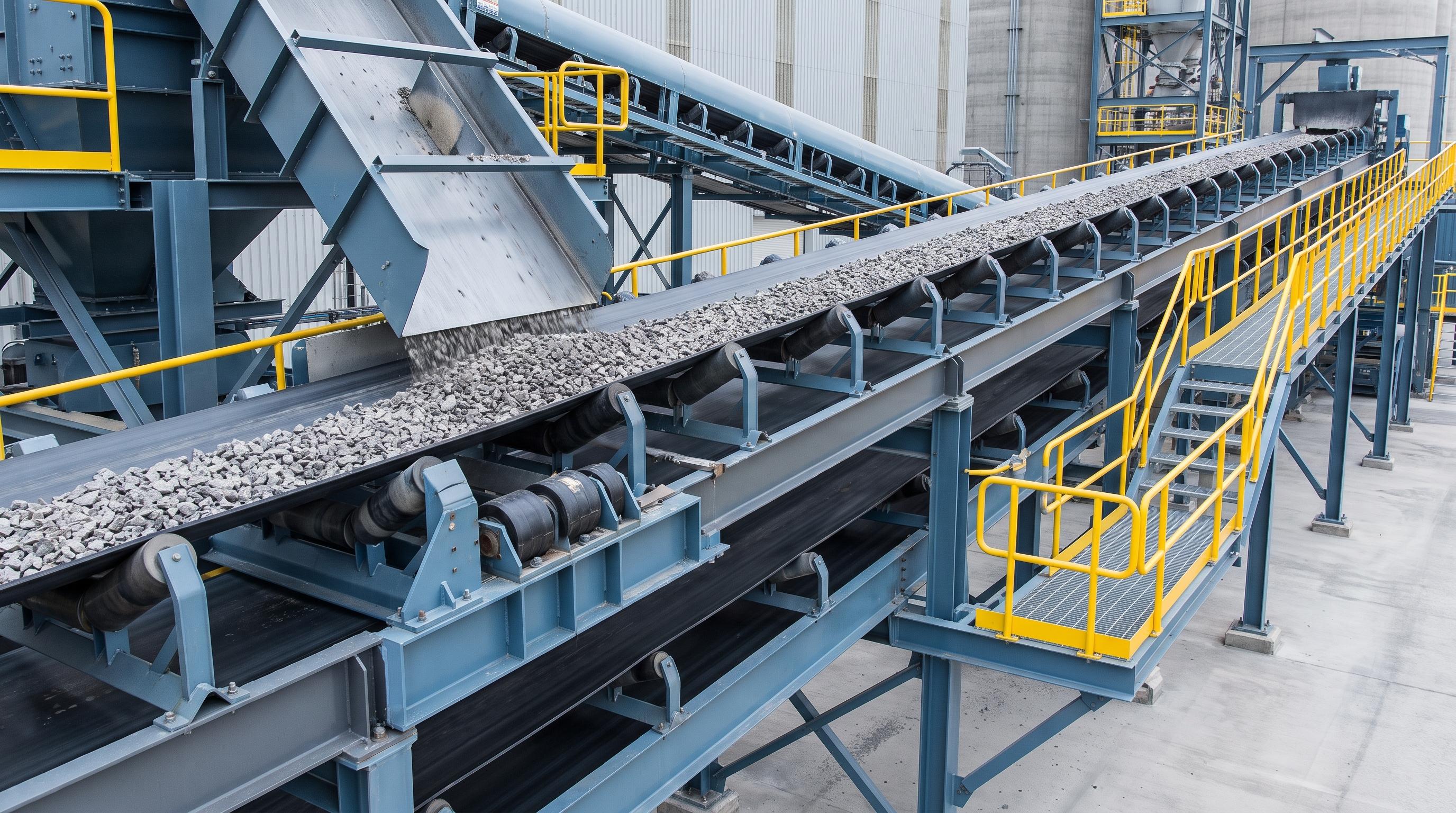
Carrying Idlers vs Return Idlers vs Impact Idlers: A Plant Engineer's Comparison Guide
Understanding the functional differences between carrying idlers, return idlers, and impact idlers is critical for conveyor system reliability. This comprehensive guide compares design parameters, application zones, spacing requirements, and cost implications to help plant engineers select the right idler type for each conveyor section.
10 min read
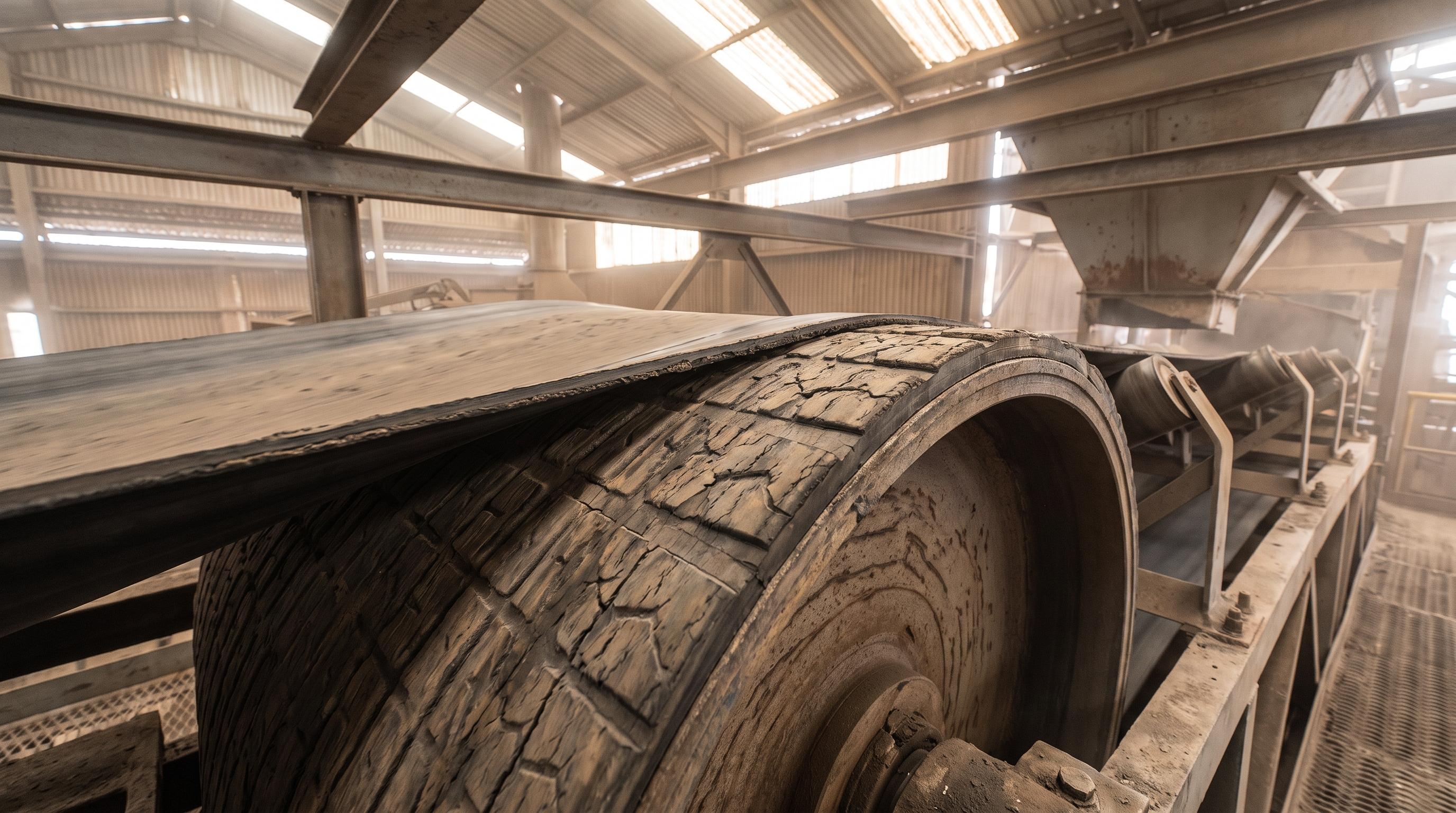
Conveyor Pulley Lagging Types: Rubber vs Ceramic vs Diamond — Complete Selection Guide
Comprehensive technical guide to conveyor pulley lagging selection covering plain rubber, grooved rubber, ceramic tile, and diamond pattern lagging with material properties, application matrices, lifecycle cost analysis, and adhesion methods per IS and DIN standards.
8 min read
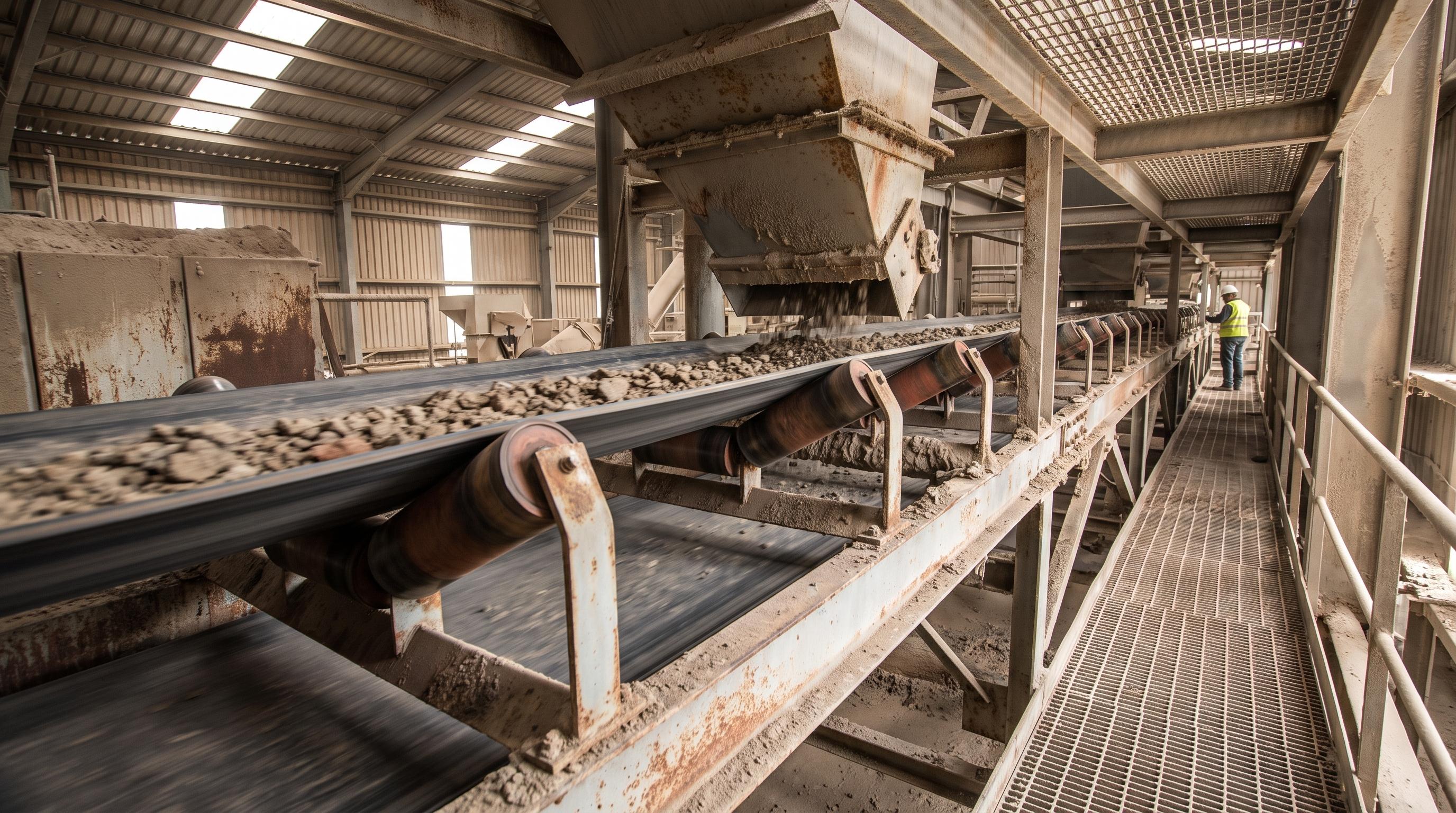
Complete Guide to Conveyor Idler Types and Selection for Cement, Steel & Power Plants
This comprehensive guide details the selection criteria for ten conveyor idler types used in cement, steel, and power plants. It provides specification tables, load ratings, bearing selection, and compliance with IS and CEMA standards to help plant engineers specify application-specific idler assemblies.
6 min read