
Problem & Solution
Dip Tube Erosion & Blockage - Causes, Solutions & Compliance
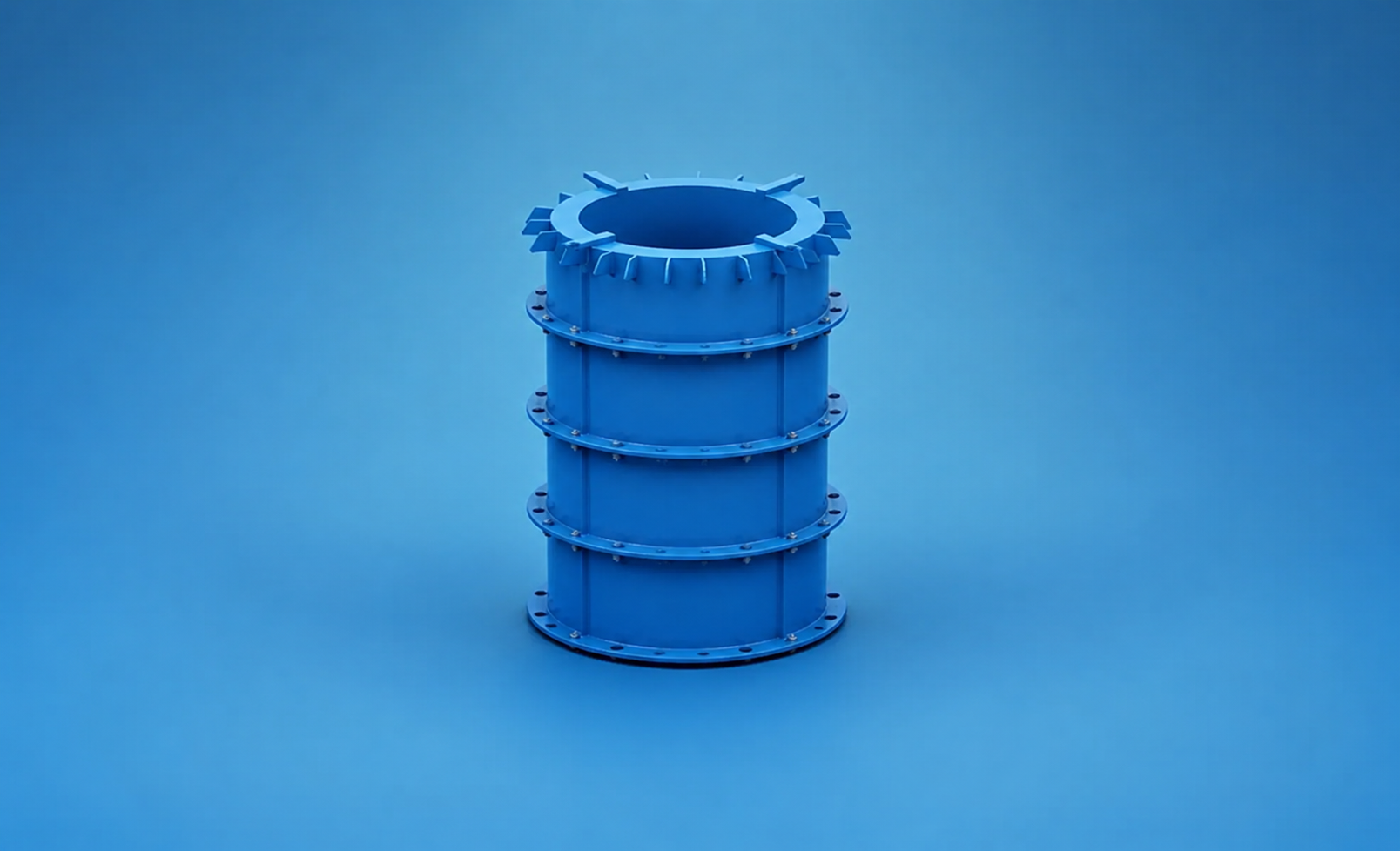
Dip tube erosion and blockage is a persistent problem in cement, power, and steel plants, set in a kiln or furnace gas stream reaching 1400°C with 2000 g/m³ of dust. Dust wears the tube while deposits and condensed salts plug its bore, so gas sampling and reagent injection fail and emission control loses accuracy. UGES wear-resistant, purged dip tubes keep the bore clear.
Trusted by the largest brands





Understanding Dip Tube Erosion and Blockage

Problem Description

Cost of Inaction

Root Causes
Abrasive Dust Erosion in the Gas Stream
The very high dust load and velocity at the kiln inlet abrade the dip tube wall and tip, thinning the material until it perforates or breaks. Tubes made of standard materials and left unprotected wear quickly in this environment and fail inside the duct.
Dust and Salt Buildup Plugging the Bore
Sticky dust and the condensation of chloride and sulphate salts coat the inside and outside of the tube, the same mechanism that blocks preheater cyclones and ducts, gradually plugging the bore. Once restricted, the tube can no longer pass a representative gas sample or deliver an even injection.
Condensation and Thermal Degradation
In cooler sections and during stops, moisture condenses inside the tube and sample path, causing further blockage, corrosion, and unstable measurements, while thermal cycling stresses the tube. Without heated paths and correct material selection, these effects degrade both the tube and the reliability of the reading.

Engineering Solutions
Wear-Resistant, High-Temperature Dip Tubes
UGES makes dip tubes from high-temperature, abrasion-resistant materials and coatings matched to the kiln environment, so the tube resists the erosion that thins standard probes. Correct material and wall selection extends service life in the high dust load and temperature of the kiln inlet.
Back-Purge and Pulse Cleaning
UGES dip tubes can be fitted with air back-purge and pulse cleaning that periodically clears dust and incipient buildup from the bore and tip, keeping the path open without manual intervention. Retractable designs allow the tube to be withdrawn for inspection and cleaning safely.
Heated Paths and Correct Placement
UGES specifies heated or insulated sample paths and the correct insertion point and orientation so condensation and salt deposition are minimized and the sample stays representative. Proper placement and heat management keep readings stable and the bore clear between services.
Customer Success Stories
We've been sourcing conveyor components from United Global Engineering Solutions for quite some time now. Their conveyor belt accessories, including industrial conveyor rollers and pulleys, have consistently met our quality and performance standards. We highly recommend them for all your conveyor system needs.
Thabo MokoenaThe Repeat Client 
We worked with United Global Engineering Solutions for our conveyor needs, and the experience was excellent from start to finish. Their team understood our requirements quickly, recommended the right conveyor solution for our operations, and delivered quality industrial conveyor belts that made a real difference. Since the installation, our workflow has improved and day-to-day operations feel much more efficient. We’re grateful for their support and would gladly recommend them.
Johan BothaThe Satisfied Customer 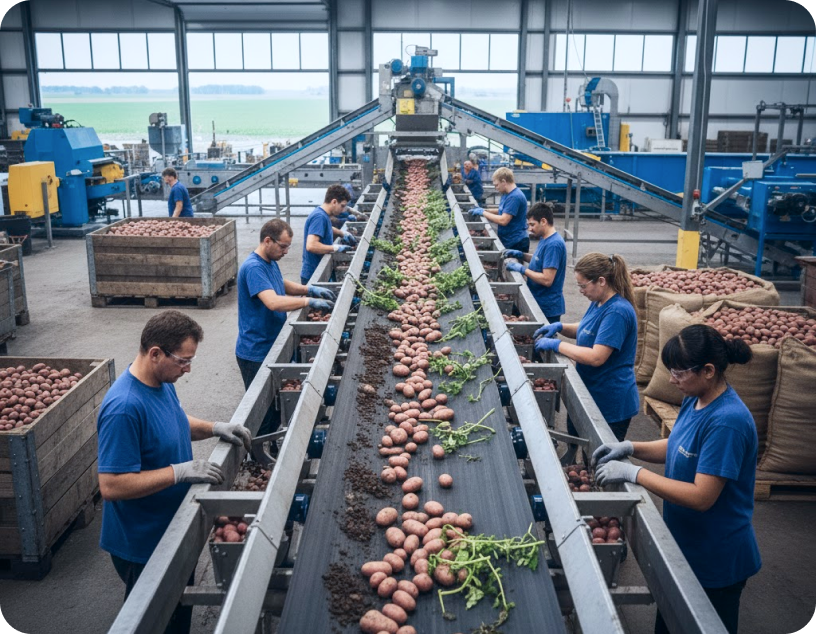
We’ve worked with United Global on multiple projects, and their conveyor belts for food processing have made a real difference. What stands out most is their ability to customize solutions to our needs and deliver quality products on time. Their prompt service and cost-effective approach have made them a partner we can count on.
Sipho DlaminiThe Valued Partner 
We’ve worked with United Global Engineering Solutions on multiple projects, and they’ve consistently delivered. Their conveyor belts for food processing have made a real difference for us, and we’ve appreciated how they tailor solutions to our specific needs. The team is responsive, the service is prompt, and the solutions are cost-effective without sacrificing quality.
Ruan SmitThe Satisfied Manufacturer
- Industries Served
- 15+
- Years of Experience
- 10+
- Systems Installed
- 500+
- Happy Clients
- 600+
Solve Dip Tube Erosion and Blockage with UGES
Our experts visit your site, understand your workflow, and recommend the exact configuration your system needs.