
Problème et solution
Dip Tube Erosion & Blockage - Causes, Solutions & Compliance
Dip tube erosion and blockage is a persistent problem in cement, power, and steel plants, set in a kiln or furnace gas stream reaching 1400°C with 2000 g/m³ of dust. Dust wears the tube while deposits and condensed salts plug its bore, so gas sampling and reagent injection fail and emission control loses accuracy. UGES wear-resistant, purged dip tubes keep the bore clear.
Plébiscité par les plus grandes marques




Comprendre Dip Tube Erosion and Blockage

Description du problème

Coût de l’inaction

Causes profondes
Abrasive Dust Erosion in the Gas Stream
The very high dust load and velocity at the kiln inlet abrade the dip tube wall and tip, thinning the material until it perforates or breaks. Tubes made of standard materials and left unprotected wear quickly in this environment and fail inside the duct.
Dust and Salt Buildup Plugging the Bore
Sticky dust and the condensation of chloride and sulphate salts coat the inside and outside of the tube, the same mechanism that blocks preheater cyclones and ducts, gradually plugging the bore. Once restricted, the tube can no longer pass a representative gas sample or deliver an even injection.
Condensation and Thermal Degradation
In cooler sections and during stops, moisture condenses inside the tube and sample path, causing further blockage, corrosion, and unstable measurements, while thermal cycling stresses the tube. Without heated paths and correct material selection, these effects degrade both the tube and the reliability of the reading.

Solutions d'ingénierie
Wear-Resistant, High-Temperature Dip Tubes
UGES makes dip tubes from high-temperature, abrasion-resistant materials and coatings matched to the kiln environment, so the tube resists the erosion that thins standard probes. Correct material and wall selection extends service life in the high dust load and temperature of the kiln inlet.
Back-Purge and Pulse Cleaning
UGES dip tubes can be fitted with air back-purge and pulse cleaning that periodically clears dust and incipient buildup from the bore and tip, keeping the path open without manual intervention. Retractable designs allow the tube to be withdrawn for inspection and cleaning safely.
Heated Paths and Correct Placement
UGES specifies heated or insulated sample paths and the correct insertion point and orientation so condensation and salt deposition are minimized and the sample stays representative. Proper placement and heat management keep readings stable and the bore clear between services.
Témoignages de réussite client
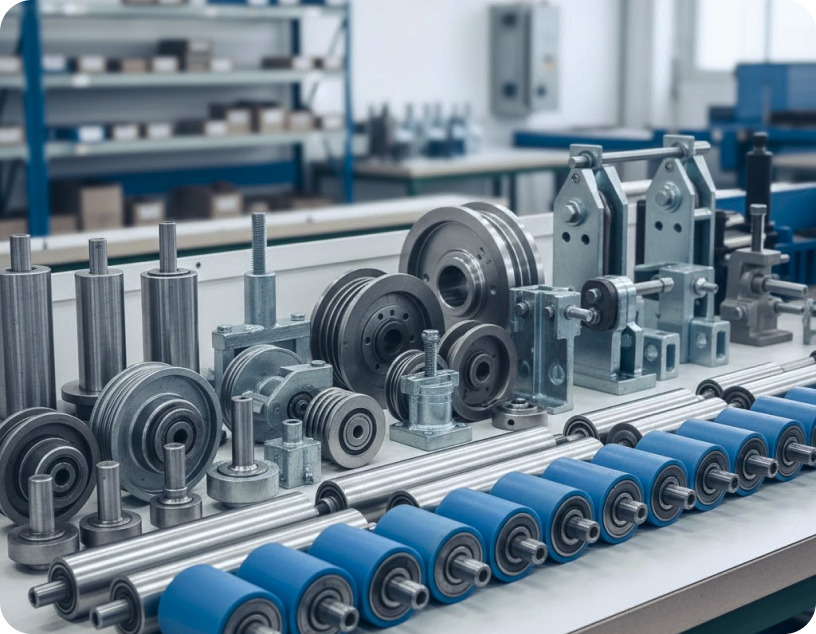
Nous nous approvisionnons en composants de convoyeurs auprès de United Global Engineering Solutions depuis un bon moment déjà. Leurs accessoires pour bandes transporteuses, notamment les rouleaux et poulies de convoyeur industriels, ont toujours répondu à nos exigences de qualité et de performance. Nous les recommandons vivement pour tous vos besoins en systèmes de convoyage.
Mathieu BernardLe client fidèle 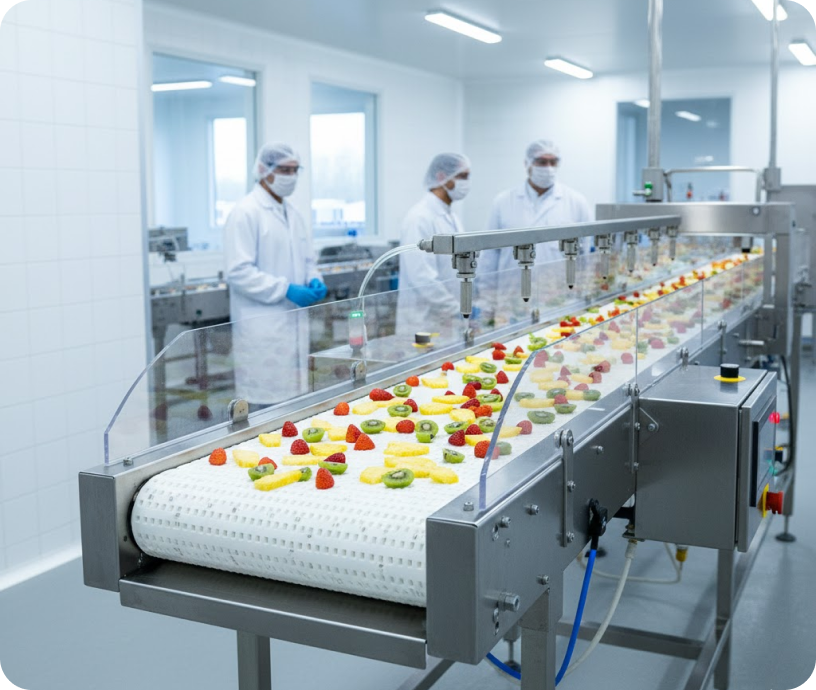
Nous avons travaillé avec United Global Engineering Solutions pour nos besoins en convoyeurs, et l’expérience a été excellente du début à la fin. Leur équipe a rapidement compris nos exigences, nous a recommandé la solution de convoyage adaptée à nos opérations et a livré des bandes transporteuses industrielles de qualité qui ont réellement fait la différence. Depuis l’installation, notre flux de travail s’est amélioré et les opérations quotidiennes nous paraissent bien plus efficaces. Nous leur sommes reconnaissants pour leur soutien et les recommandons sans hésiter.
Julien MoreauLe client satisfait 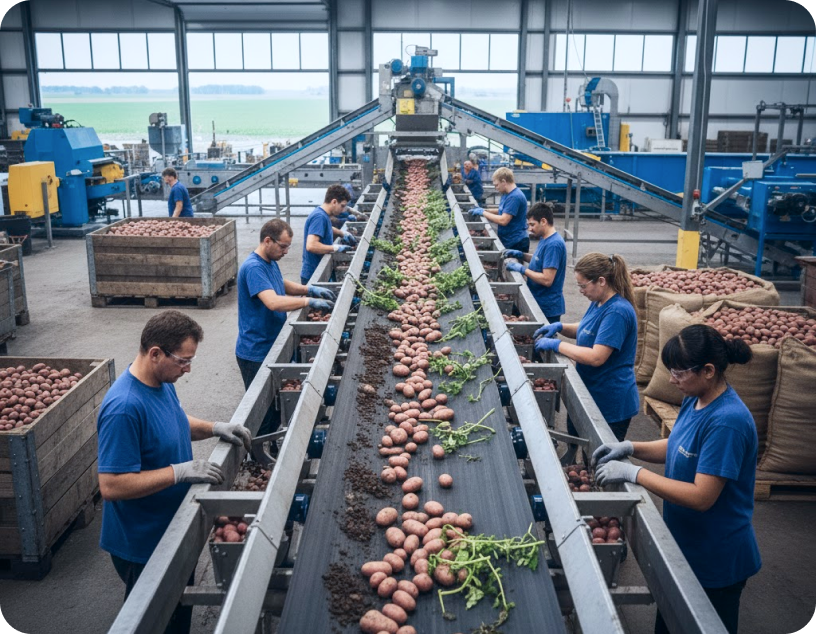
Nous avons travaillé avec United Global sur plusieurs projets, et leurs bandes transporteuses pour l’industrie agroalimentaire ont fait une réelle différence. Ce qui se démarque le plus, c’est leur capacité à personnaliser les solutions selon nos besoins et à livrer des produits de qualité dans les délais. Leur service réactif et leur approche rentable en font un partenaire sur lequel nous pouvons compter.
Nicolas LaurentLe partenaire de confiance 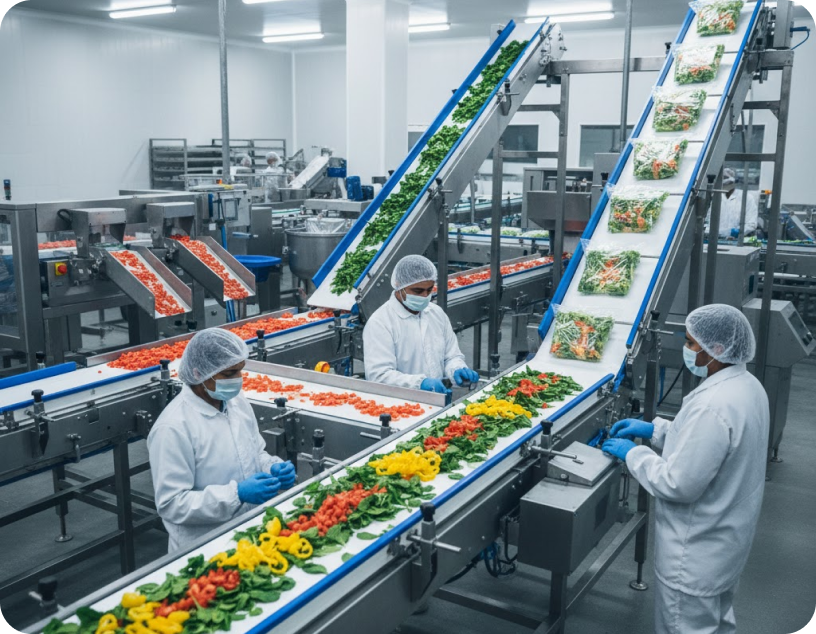
Nous avons travaillé avec United Global Engineering Solutions sur plusieurs projets, et ils ont toujours répondu présents. Leurs bandes transporteuses pour l’industrie agroalimentaire ont véritablement changé les choses pour nous, et nous avons apprécié leur capacité à adapter les solutions à nos besoins spécifiques. L’équipe est réactive, le service est rapide et les solutions sont économiques sans compromettre la qualité.
Antoine DuboisLe fabricant satisfait
- Secteurs desservis
- 15+
- Années d'expérience
- 10+
- Systèmes installés
- 500+
- Clients satisfaits
- 600+
Résolvez Dip Tube Erosion and Blockage avec UGES
Nos experts se rendent sur votre site, comprennent votre flux de travail et recommandent la configuration exacte dont votre système a besoin.